







1. Physical Safety: The 2026 Legal Shield
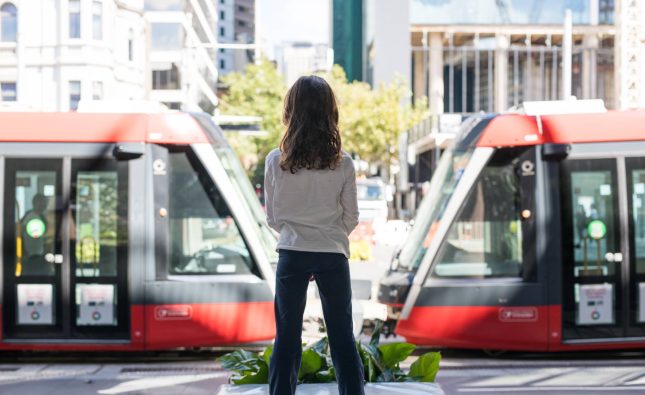
On January 1, 2026, the National Higher Education Code to Prevent and Respond to Gender-based Violence officially came into effect. This is a game-changer for student safety.
- Mandatory Protection: All Australian universities must now have a published “Whole-of-Organisation Plan” to prevent harm.
- Accountability: University leaders (Vice-Chancellors) are now legally and financially responsible for student safety on and off-campus.
- Trauma-Informed Support: If an incident occurs (including on public transport), universities are now mandated to provide specialized support and clear reporting pathways that do not jeopardize your visa.
2. The “Real” Danger: 2026 Scam Trends
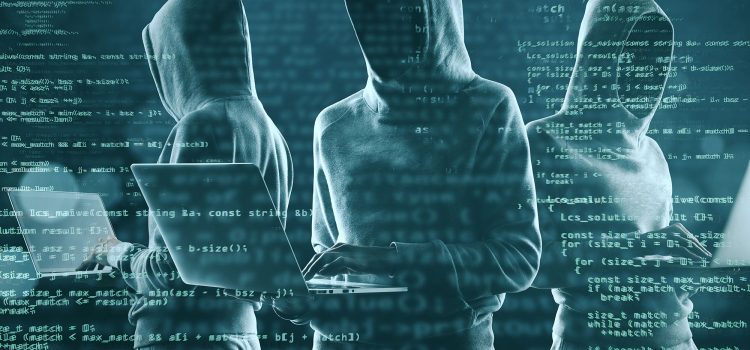
In 2026, “Cyber-Safety” is more critical than physical safety. International students are frequently targeted by high-tech scams that use Deepfakes and AI-driven social engineering.
The Most Common Scams of 2026:
| Scam Type | How it Works | The “Red Flag” |
| Visa/Consulate Scams | Scammers spoof official numbers and claim your visa is being cancelled due to a “crime” in your home country. | Demands for payment via Cryptocurrency, Gift Cards, or Bank Transfer to “clear your name.” |
| The “Cheaper Fees” Scam | A third party offers to pay your university tuition at a 10% discount. | They use stolen credit cards. Once the bank reverses the payment, you still owe the university 100% of the fees. |
| AI “Virtual Kidnapping” | Using a 3-second clip of your voice from social media, AI creates a fake distress call to your parents overseas. | The caller demands immediate “ransom” and tells you to go into hiding (disconnect your phone). |
3. Rental & Job Safety: Protecting Your Wallet
The 2026 housing crisis has unfortunately led to a rise in Rental Scams.
- The “Ghost” Apartment: Scammers list beautiful, cheap apartments on social media and demand a “holding deposit” before you even see the property.
- 2026 Safety Rule: Never pay a deposit for a room you (or a trusted friend) haven’t physically stepped inside. Use university-verified accommodation portals wherever possible.
4. Is Australia Safe After Dark?
Australian cities are generally safe to walk in at night, but 2026 data shows that 85% of women and 94% of men feel safe walking alone in their local area after dark.
- Safety Tech: Most students now use the Emergency+ app, which provides your exact GPS coordinates to 000 operators—essential if you are in an unfamiliar suburb.
- Campus Escorts: All major universities provide a "Security Escort" service where a guard will walk you to your car or the nearest train station after late-night library sessions.
5. Summary: Your 2026 Safety Mantra
- Verify the Source: The Australian Government/Police will never threaten you with immediate deportation or ask for money over the phone.
- Report Without Fear: Under the 2026 National Code, reporting a crime or seeking help cannot be used as grounds to cancel your visa.
- Trust Your Gut: If a job pays $80/hour for “simple tasks” or a luxury apartment costs $200/week, it is a scam.