





1. The “Attentional Residue” Trap
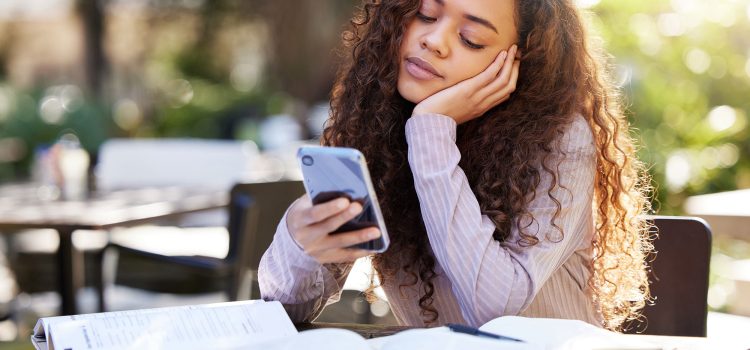
In 2026, cognitive scientists have identified Attentional Residue as the #1 killer of GPA.
- The Concept: When you quickly check TikTok for 2 minutes during a study break, your brain doesn’t immediately return to your essay. A “residue” of that content stays in your working memory for up to 20 minutes, slowing down your processing speed.
- The 2026 Solution: Practice “Mono-Tasking Blocks.” If you are studying, your phone isn’t just on silent—it’s in another room.
2. “Dumbing Down” Your 2026 Smartphone
A major 2026 lifestyle trend among Gen Z students is the “Dumb Phone Transition”—making your $1,500 smartphone function like a 2005 Nokia to regain focus.
- Minimalist Launchers: Apps like Dumb Phone (dp) or Minimalist Phone strip away colorful icons and notification badges, replacing them with a simple text-based list. This removes the “visual dopamine” that triggers compulsive clicking.
- Grayscale Mode: Switch your phone to “Grayscale” in Accessibility settings. Removing color makes social feeds like Instagram and YouTube significantly less “addictive” to the brain’s reward system.
3. The “20-20-20” Digital Wellbeing Rule
To combat the physical fatigue of 2026 hybrid learning (a mix of VR labs and laptop lectures):
- 20 Minutes: Every 20 minutes of screen time…
- 20 Feet: Look at something 20 feet (6 meters) away…
- 20 Seconds: For at least 20 seconds.
- Why: This resets your eye muscles and prevents the “brain fog” associated with long-term blue light exposure.
4. Digital Detox Tools for 2026
| Tool | Function | Best For |
| Forest | Grows a digital tree while you stay off your phone. | Gamifying focus during library sessions. |
| Freedom | Blocks specific apps/websites across all your devices simultaneously. | Hardcore “Deep Work” sessions. |
| Digital Detox: Focus & Live | An Android app that can actually lock you out of your phone (with a “cheat fee” if you break it). | Breaking a severe doomscrolling habit. |
| Opal | Uses a VPN to “disconnect” distracting apps on a schedule. | Automating your “No-Scroll” evenings. |
5. Replacing the Scroll: The “Analog Hour”
The most successful 2026 students are reclaiming the “Golden Hour” (the first hour after waking up).
- The Rule: No screens for the first 60 minutes of the day.
- The Result: Instead of starting your day reacting to other people’s lives (social media) or stress (emails), you set your own pace. Use this time for a “Morning Walk” (Grounding) or a physical book.
6. Summary: 2026 Social Media Fatigue Signals
If you experience these, it’s time for a 48-hour detox:
- Phantom Vibrations: Feeling your phone vibrate when it isn’t there.
- Comparison Burnout: Feeling “behind” in life after seeing a 15-second clip of someone else.
- Physical Neck Tension: The “Tech-Neck” ache that doesn’t go away with stretching.