1. The Ghost Kitchen Advantage: 2026 Price Gap
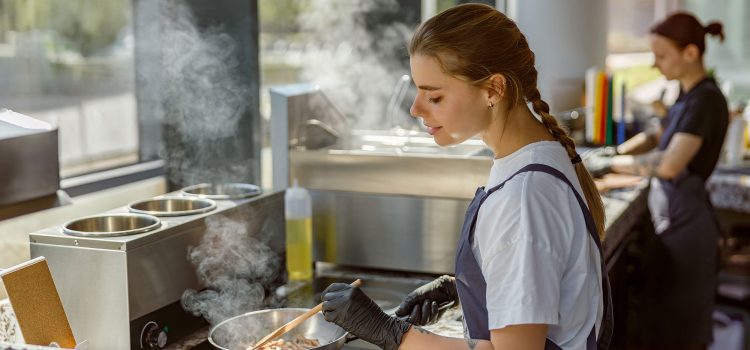
Traditional restaurants in 2026 are struggling with “Triple Inflation”: rent, labor, and energy. Ghost kitchens, often located in cheaper industrial zones (like Alexandria in Sydney or Abbotsford in Melbourne), bypass these costs.
| Cost Category | Traditional Restaurant | Ghost Kitchen (2026) | Student Saving |
| Average Burger Meal | $24.00 | $16.50 | $7.50 |
| Delivery Fee | $5.99 | $1.99 – $2.99 (Zoned) | ~$3.00 |
| Service Fee | 10% | 5% (In-app direct) | $1.00+ |
| Total Cost | $32.39 | $20.49 | $11.90 (36%) |
2. Why Students are Leading the Shift
- The “Direct-to-Kitchen” App: 20% of digital orders now come through restaurant-owned apps rather than third-party aggregators. Ghost kitchens like CloudKitchens or KitchenUnited offer deep discounts if you order through their proprietary portals, effectively killing the “UberEats Tax.”
- The “Multi-Brand” Basket: In 2026, a single ghost kitchen might run 5 different “brands” (e.g., a burger spot, a taco joint, and a salad bar) from the same stove. Students can order a variety of cuisines in one delivery fee, a massive win for group study sessions.
- Proximity to “Student Corridors”: These hubs are strategically placed near high-density student housing. In 2026, being within a 2km “Micro-Zone” of a ghost kitchen often triggers $0 delivery fees during off-peak hours.
3. How to Spot a Ghost Kitchen in 2026
Not all “restaurants” on your app are what they seem. Here’s how to find the cheaper ghost-run brands:
- Check the Address: If the pickup address is a warehouse or a shared commercial space (e.g., “Unit 4, Industrial St”), it’s a ghost kitchen.
- Look for “Virtual-Only” Labels: Apps now tag brands that don’t have a physical storefront. These almost always have lower base prices.
- The “Multiple Brand” Search: If you notice five different “restaurants” have the exact same address, they are likely sharing overhead, meaning you can negotiate better group deals.