1. The Law: AUSTRAC & AML/CTF Reforms
The primary reason is the Anti-Money Laundering and Counter-Terrorism Financing (AML/CTF) Act.
- The 2026 Update: As of March 31, 2026, new “Tranche 1” reforms have kicked in, strengthening how financial entities—including currency exchanges—must verify their customers.
- The Regulator: AUSTRAC (the Australian Transaction Reports and Analysis Centre) requires all “reporting entities” to perform Customer Due Diligence (CDD).
- The Threshold: While many think this only applies to large amounts (like $10,000), most money changers now have a “Zero-Threshold” policy, meaning they scan IDs for every transaction to stay compliant with their internal risk programs.
2. What Are They Looking For?
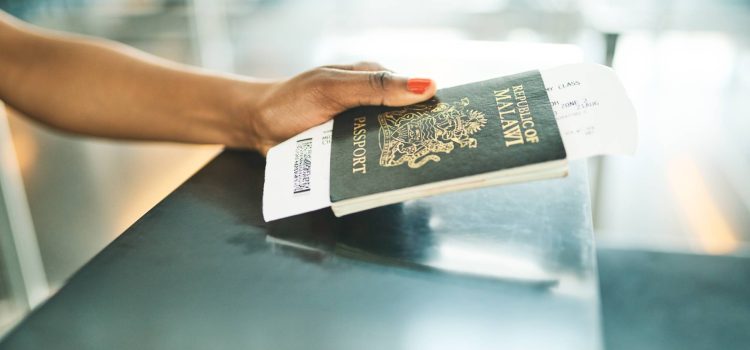
When the machine scans your passport, the software is doing three things:
- Verification: Confirming the document is genuine and not a forgery.
- KYC (Know Your Customer): Recording your full name, date of birth, and residential address as required by law.
- Sanction Checking: Instantly checking your name against global “Watchlists” or “Politically Exposed Persons” (PEP) lists to ensure the funds aren’t linked to illegal activity.
3. Is My Data Safe? (Privacy in 2026)
It is natural to be wary of identity theft, but Australian law provides significant protections:
- The Privacy Act 1988: Money changers must handle your scanned data according to the Australian Privacy Principles (APPs). They cannot sell your data or use it for marketing without your consent.
- Secure Storage: Most modern 2026 exchange software (like those used at Commonwealth Bank encrypts the scan and stores it in a secure database rather than leaving a paper photocopy lying around.
- Record Keeping: By law, they must keep these records for 7 years so they can be audited by AUSTRAC if a suspicious activity report is ever filed.
4. Can I Refuse the Scan?
Technically, yes—but the money changer will refuse your transaction.
- In 2026, if a business provides a “designated service” (like exchanging currency) without verifying ID, they face massive fines (millions of dollars).
- Alternative: If you are uncomfortable with a physical scan, ask if they accept the Australian Digital ID or a Victorian Digital Driver Licence, though many still prefer the passport as the “Gold Standard” for international compliance.