1. The “$10,000 Rule” (Customs & Legal)
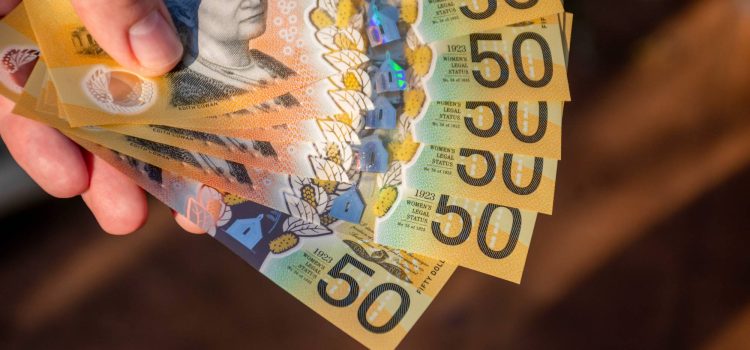
In 2026, you can technically bring as much money as you want into Australia, but there is a strict reporting requirement.
- The Threshold: If you are carrying $10,000 AUD or more (or the equivalent in foreign currency) in physical cash or “bearer negotiable instruments” (like traveler’s checks), you MUST declare it to the Australian Border Force upon arrival.
- The Risk: Failing to declare large sums can lead to heavy fines, seizure of the money, or legal issues that could jeopardize your student visa.
- Recommendation: Avoid the stress. Carry less than $2,000 in cash and move the rest via Wise or a bank transfer once your local account is open.
2. Estimated First-Week Costs (April 2026)
You need enough cash to cover immediate expenses before your Australian debit card arrives (which usually takes 5–7 days).
Why only $500–$1,500? Most student accommodations and landlords in 2026 refuse cash for rent and bonds due to tax and security regulations. You will need a digital account for your largest expenses.
3. The Safest Way to Carry Money in 2026
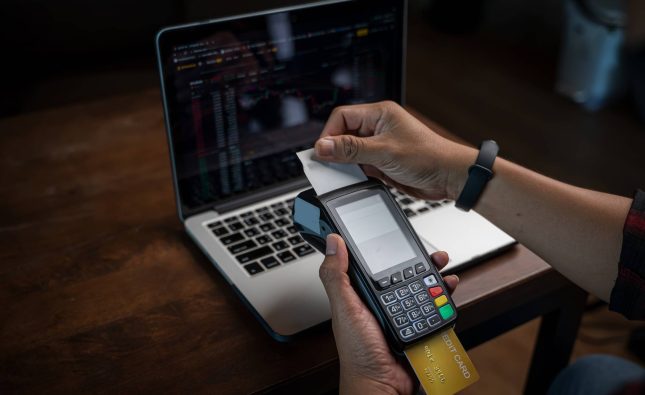
- A Travel Card (Wise/Revolut): Load this with a few thousand dollars before you fly. You can use it at any ATM in Australia to withdraw cash if needed.
- Physical Cash ($500): Keep this in a separate, secure place (not just in your wallet) for small shops that might have a “Card Surcharge” or in case your cards are blocked by your home bank.
- Digital Wallet: Add your home country’s card to Apple Pay or Google Pay. Even if you lose your physical wallet, you can still buy food and transport using your phone.
4. 2026 Cost of Living Benchmark
The Australian Government’s 2026 financial capacity requirement for a student visa is $29,710 AUD per year (approx. $570/week). This is the “safe” amount you should have accessible to cover food, rent, and transport without needing to work immediately.