








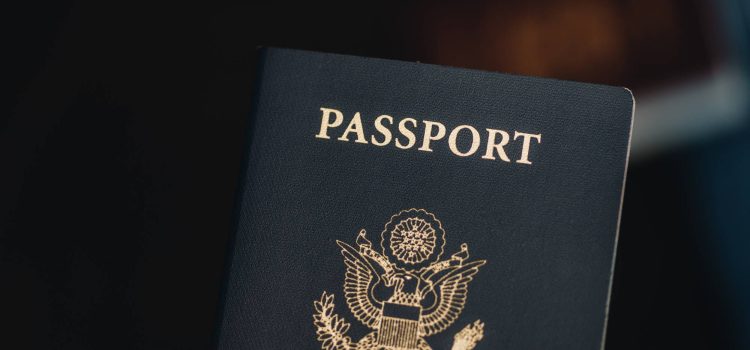
When preparing documents for international migration, timing and precision are everything. A frequent and costly point of confusion for visa applicants involves passport adjustments: What actually happens to your Police Clearance Certificate (PCC) if your passport number changes?
The reality is straightforward but strict: Your current PCC becomes immediately invalid for your upcoming visa application. A PCC is legally anchored to the specific passport number printed on its face. The moment a new passport booklet is generated with a different document number, the connection between your background check and your active identity is severed.
The Direct Impact of a New Passport on Background Checks
A Police Clearance Certificate is not tied to your name alone; it is a cross-referenced security document. Immigration authorities like IRCC (Canada), Home Affairs (Australia), or the US Department of State use automated validation filters. If the passport number on your visa application form does not perfectly mirror the passport number stamped on your background certificate, the system flags a data discrepancy.
The table below breaks down how global immigration departments handle old and new passport data across your compliance documents:
| Compliance Metric | Old Passport Number Details (Pre-Change) | New Passport Number Details (Post-Change) |
| PCC Legal Status | Fully active but permanently locked to the expired or canceled passport booklet. | Operates without a background history link until a brand-new clearance application is generated. |
| Immigration Scan System | Triggers an immediate “Mismatched Identity Data” warning during automated document intake. | Accepted seamlessly by immigration portals as your primary legal travel document. |
| Consular Correction Rules | Consular networks (e.g., VFS, BLS) cannot edit, endorse, or manually alter an issued PCC record. | Requires a fresh fee payment and a completely new background check execution. |
| Exception Scenarios | Occasionally tolerated only if the old passport is physically bound to the new one with an official observation note. | Always the preferred, zero-risk document foundation for long-term residency processing. |
The Recovery Workflow: Fixing a Mismatched Passport and PCC
If you already updated your passport and realized your background check shows your old identity number, use this chronological sequence to resolve the issue without risking a visa refusal.
1.Examine the Validity and Passport Fields on Your Current Clearance Certificate: Audit Records.
Review the physical or digital layout of your existing PCC. Verify the exact passport number listed under the identification fields and check if your issuing country explicitly states that the document is non-transferable between booklets.
2.Obtain Official Cancelled-with-Reissue Stamps on Your Old Booklet: Secure Endorsement.
When your government issues your new passport, ensure your old booklet is returned to you physically with clear “Cancelled but Valid for Visa” or “Reissued” stamps linking the two document numbers.
3.Launch a New Clearance Application Using Your New Booklet Data: Re-apply for PCC.
If your target embassy has strict criteria, bypass the risk entirely by logging onto your local police or consular portal. Submit a fresh background check application using your brand-new passport number and processing fee.
4.Attach Both Booklets and Clearances to Your Final Visa Portfolio: Compile File.
When submitting your immigration file, scan your new passport, your old passport data page, and the updated PCC. Add a brief, one-sentence cover note clarifying that your passport was renewed during the document compilation window.
The Automated System Rejection Risk: Many modern immigration systems use Optical Character Recognition (OCR) to read uploaded files. If the software flags a mismatch between your primary profile data and your background certificate, your application may be automatically rejected as “incomplete” before a human officer even reviews your explanation or old passport scans.




Comments
How to Spot Authentic Australian-Made Skincare Products (2026)
Interest-Free Loans for Laptops and Textbooks: A 2026 Guide
How to Spot Authentic Australian-Made Skincare Products (2026)
Bupa Visa Medical Locations: Find a Centre Near You (2026)
How to Attach More Than 60 Documents to ImmiAccount (2026)