


Australia Student & Expat Resource Hub | NammAustralia Australia Student & Expat Resource Hub | NammAustralia

Latest post

Step-by-Step: How to Safely Build an 800 Credit Score Before Graduation

Step-by-Step: How to Safely Build an 800 Credit Score Before Graduation

  • Aarav
  • June 9, 2026
CommBank Neo vs. Westpac Lite: Best No-Interest Cards

CommBank Neo vs. Westpac Lite: Best No-Interest Cards

  • Sara
  • June 9, 2026
Generating Flawless Payment Instructions on Flywire and Convera

Generating Flawless Payment Instructions on Flywire and Convera

  • Maithili
  • June 9, 2026

Popular Posts

Top 10 High-Interest Savings Accounts Australia: A Student Guide

Top 10 High-Interest Savings Accounts Australia: A Student Guide (444)

  • Aarav
  • March 6, 2026
Regional Australia Postcode List 2026: The “Extra 5 Points” Guide

Regional Australia Postcode List 2026: The “Extra 5 Points” Guide (374)

  • Maithili
  • March 17, 2026
Australia Student Visa Refund Policy: Rejection Guide

Australia Student Visa Refund Policy: Rejection Guide (370)

  • Sara
  • March 9, 2026
Felix Mobile Review 2026: Is the $20 Unlimited Data Plan Worth It?

Felix Mobile Review 2026: Is the $20 Unlimited Data Plan Worth It? (362)

  • Aarav
  • March 25, 2026
Telstra vs Optus vs Vodafone 2026: Australia’s Best Network Comparison

Telstra vs Optus vs Vodafone 2026: Australia’s Best Network Comparison (348)

  • Maithili
  • March 16, 2026

Stay Connected


Professionally fabricate client-centered content for superior expertise. Objectively leverage others covalent imperatives vis-a-vis state of the art potentialities. Competently matrix

Email: trendymag@domain.com
Phone: 00123 456 789

Popular Posts

Top 10 High-Interest Savings Accounts Australia: A Student Guide

Top 10 High-Interest Savings Accounts Australia: A Student Guide

Regional Australia Postcode List 2026: The “Extra 5 Points” Guide

Regional Australia Postcode List 2026: The “Extra 5 Points” Guide

Australia Student Visa Refund Policy: Rejection Guide

Australia Student Visa Refund Policy: Rejection Guide

Find us on Facebook

Find us on Facebook

Australia Student & Expat Resource Hub | NammAustralia Australia Student & Expat Resource Hub | NammAustralia

Featured
  • Start Here

    1. What is the 2026 National Safety Code?

    The Code is a legally enforceable regulatory framework. For the first time, universities (Table A and B providers) are mandated to follow seven national standards or face civil penalties of up to $330,000 per breach.


    The 7 Standards of Protection:

    1. Accountable Leadership: Vice-Chancellors are now personally responsible for safety outcomes.
    2. Safe Environments: Systems must proactively prevent harm, not just react to it.
    3. Knowledge & Capability: Continuous, trauma-informed training for all staff and students.
    4. Safety & Support: Guaranteed access to crisis care, mental health support, and academic adjustments.
    5. Safe Processes: Reporting must be easy, anonymous if preferred, and finalized within 45 business days.
    6. Data & Evidence: Universities must track and publish safety data to stay transparent.
    7. Safe Student Accommodation: Safety standards now extend to housing owned or managed by the provider.


    2. "Wherever it Happens": The Policy Beyond Campus

    A major breakthrough of the 2026 Code is its scope. Your university is now responsible for your safety and response support in:

    • Off-campus placements (internships, clinical rotations, or "prac").
    • University-affiliated sporting events and social clubs.
    • Online environments (cyber-bullying or digital harassment within the student community).
    • Student Accommodation, even if it is not directly owned by the university but is "affiliated."


    3. The "Visa Safety" Guarantee

    In 2026, there is a clear "firewall" between safety reporting and immigration.

    • The Right to Report: Reporting an incident of harm or violence cannot be used by the university as a reason to penalize your academic standing or report you to Home Affairs.
    • Academic Adjustments: Under Standard 4, you are entitled to "academic adjustments" (extension of deadlines or deferred exams) if an incident impacts your ability to study, ensuring your Visa Condition 8202 (satisfactory progress) is protected.


    4. The National Student Ombudsman (NSO)

    If you feel your university has handled a safety report poorly, 2026 gives you a powerful ally.

    • Independent Oversight: The National Student Ombudsman can independently investigate your university’s actions.
    • Confidentiality: They offer a free, confidential service to ensure the university followed the 2026 Code correctly.

    5. Summary: How to Use Your Rights

    1. Read the Plan: Every university must now publish a "Whole-of-Organisation Gender-based Violence Prevention and Response Plan." Find it on your student portal.
    2. Locate the Support Officer: Standard 4 requires an "experienced and knowledgeable staff member" to be available to guide you through any reporting process.
    3. Trust the Timeline: Your formal report must now be resolved within 45 business days, giving you a guaranteed end-date for any investigation.
  • Study

    1. What is the 2026 National Safety Code?

    The Code is a legally enforceable regulatory framework. For the first time, universities (Table A and B providers) are mandated to follow seven national standards or face civil penalties of up to $330,000 per breach.


    The 7 Standards of Protection:

    1. Accountable Leadership: Vice-Chancellors are now personally responsible for safety outcomes.
    2. Safe Environments: Systems must proactively prevent harm, not just react to it.
    3. Knowledge & Capability: Continuous, trauma-informed training for all staff and students.
    4. Safety & Support: Guaranteed access to crisis care, mental health support, and academic adjustments.
    5. Safe Processes: Reporting must be easy, anonymous if preferred, and finalized within 45 business days.
    6. Data & Evidence: Universities must track and publish safety data to stay transparent.
    7. Safe Student Accommodation: Safety standards now extend to housing owned or managed by the provider.


    2. "Wherever it Happens": The Policy Beyond Campus

    A major breakthrough of the 2026 Code is its scope. Your university is now responsible for your safety and response support in:

    • Off-campus placements (internships, clinical rotations, or "prac").
    • University-affiliated sporting events and social clubs.
    • Online environments (cyber-bullying or digital harassment within the student community).
    • Student Accommodation, even if it is not directly owned by the university but is "affiliated."


    3. The "Visa Safety" Guarantee

    In 2026, there is a clear "firewall" between safety reporting and immigration.

    • The Right to Report: Reporting an incident of harm or violence cannot be used by the university as a reason to penalize your academic standing or report you to Home Affairs.
    • Academic Adjustments: Under Standard 4, you are entitled to "academic adjustments" (extension of deadlines or deferred exams) if an incident impacts your ability to study, ensuring your Visa Condition 8202 (satisfactory progress) is protected.


    4. The National Student Ombudsman (NSO)

    If you feel your university has handled a safety report poorly, 2026 gives you a powerful ally.

    • Independent Oversight: The National Student Ombudsman can independently investigate your university’s actions.
    • Confidentiality: They offer a free, confidential service to ensure the university followed the 2026 Code correctly.

    5. Summary: How to Use Your Rights

    1. Read the Plan: Every university must now publish a "Whole-of-Organisation Gender-based Violence Prevention and Response Plan." Find it on your student portal.
    2. Locate the Support Officer: Standard 4 requires an "experienced and knowledgeable staff member" to be available to guide you through any reporting process.
    3. Trust the Timeline: Your formal report must now be resolved within 45 business days, giving you a guaranteed end-date for any investigation.
  • Work

    1. What is the 2026 National Safety Code?

    The Code is a legally enforceable regulatory framework. For the first time, universities (Table A and B providers) are mandated to follow seven national standards or face civil penalties of up to $330,000 per breach.


    The 7 Standards of Protection:

    1. Accountable Leadership: Vice-Chancellors are now personally responsible for safety outcomes.
    2. Safe Environments: Systems must proactively prevent harm, not just react to it.
    3. Knowledge & Capability: Continuous, trauma-informed training for all staff and students.
    4. Safety & Support: Guaranteed access to crisis care, mental health support, and academic adjustments.
    5. Safe Processes: Reporting must be easy, anonymous if preferred, and finalized within 45 business days.
    6. Data & Evidence: Universities must track and publish safety data to stay transparent.
    7. Safe Student Accommodation: Safety standards now extend to housing owned or managed by the provider.


    2. "Wherever it Happens": The Policy Beyond Campus

    A major breakthrough of the 2026 Code is its scope. Your university is now responsible for your safety and response support in:

    • Off-campus placements (internships, clinical rotations, or "prac").
    • University-affiliated sporting events and social clubs.
    • Online environments (cyber-bullying or digital harassment within the student community).
    • Student Accommodation, even if it is not directly owned by the university but is "affiliated."


    3. The "Visa Safety" Guarantee

    In 2026, there is a clear "firewall" between safety reporting and immigration.

    • The Right to Report: Reporting an incident of harm or violence cannot be used by the university as a reason to penalize your academic standing or report you to Home Affairs.
    • Academic Adjustments: Under Standard 4, you are entitled to "academic adjustments" (extension of deadlines or deferred exams) if an incident impacts your ability to study, ensuring your Visa Condition 8202 (satisfactory progress) is protected.


    4. The National Student Ombudsman (NSO)

    If you feel your university has handled a safety report poorly, 2026 gives you a powerful ally.

    • Independent Oversight: The National Student Ombudsman can independently investigate your university’s actions.
    • Confidentiality: They offer a free, confidential service to ensure the university followed the 2026 Code correctly.

    5. Summary: How to Use Your Rights

    1. Read the Plan: Every university must now publish a "Whole-of-Organisation Gender-based Violence Prevention and Response Plan." Find it on your student portal.
    2. Locate the Support Officer: Standard 4 requires an "experienced and knowledgeable staff member" to be available to guide you through any reporting process.
    3. Trust the Timeline: Your formal report must now be resolved within 45 business days, giving you a guaranteed end-date for any investigation.
  • Living in Australia

    1. What is the 2026 National Safety Code?

    The Code is a legally enforceable regulatory framework. For the first time, universities (Table A and B providers) are mandated to follow seven national standards or face civil penalties of up to $330,000 per breach.


    The 7 Standards of Protection:

    1. Accountable Leadership: Vice-Chancellors are now personally responsible for safety outcomes.
    2. Safe Environments: Systems must proactively prevent harm, not just react to it.
    3. Knowledge & Capability: Continuous, trauma-informed training for all staff and students.
    4. Safety & Support: Guaranteed access to crisis care, mental health support, and academic adjustments.
    5. Safe Processes: Reporting must be easy, anonymous if preferred, and finalized within 45 business days.
    6. Data & Evidence: Universities must track and publish safety data to stay transparent.
    7. Safe Student Accommodation: Safety standards now extend to housing owned or managed by the provider.


    2. "Wherever it Happens": The Policy Beyond Campus

    A major breakthrough of the 2026 Code is its scope. Your university is now responsible for your safety and response support in:

    • Off-campus placements (internships, clinical rotations, or "prac").
    • University-affiliated sporting events and social clubs.
    • Online environments (cyber-bullying or digital harassment within the student community).
    • Student Accommodation, even if it is not directly owned by the university but is "affiliated."


    3. The "Visa Safety" Guarantee

    In 2026, there is a clear "firewall" between safety reporting and immigration.

    • The Right to Report: Reporting an incident of harm or violence cannot be used by the university as a reason to penalize your academic standing or report you to Home Affairs.
    • Academic Adjustments: Under Standard 4, you are entitled to "academic adjustments" (extension of deadlines or deferred exams) if an incident impacts your ability to study, ensuring your Visa Condition 8202 (satisfactory progress) is protected.


    4. The National Student Ombudsman (NSO)

    If you feel your university has handled a safety report poorly, 2026 gives you a powerful ally.

    • Independent Oversight: The National Student Ombudsman can independently investigate your university’s actions.
    • Confidentiality: They offer a free, confidential service to ensure the university followed the 2026 Code correctly.

    5. Summary: How to Use Your Rights

    1. Read the Plan: Every university must now publish a "Whole-of-Organisation Gender-based Violence Prevention and Response Plan." Find it on your student portal.
    2. Locate the Support Officer: Standard 4 requires an "experienced and knowledgeable staff member" to be available to guide you through any reporting process.
    3. Trust the Timeline: Your formal report must now be resolved within 45 business days, giving you a guaranteed end-date for any investigation.
    • Accommodation
    • Banking
    • Food
    • Lifestyle
    • Health & Wellness
  • Travel

    1. What is the 2026 National Safety Code?

    The Code is a legally enforceable regulatory framework. For the first time, universities (Table A and B providers) are mandated to follow seven national standards or face civil penalties of up to $330,000 per breach.


    The 7 Standards of Protection:

    1. Accountable Leadership: Vice-Chancellors are now personally responsible for safety outcomes.
    2. Safe Environments: Systems must proactively prevent harm, not just react to it.
    3. Knowledge & Capability: Continuous, trauma-informed training for all staff and students.
    4. Safety & Support: Guaranteed access to crisis care, mental health support, and academic adjustments.
    5. Safe Processes: Reporting must be easy, anonymous if preferred, and finalized within 45 business days.
    6. Data & Evidence: Universities must track and publish safety data to stay transparent.
    7. Safe Student Accommodation: Safety standards now extend to housing owned or managed by the provider.


    2. "Wherever it Happens": The Policy Beyond Campus

    A major breakthrough of the 2026 Code is its scope. Your university is now responsible for your safety and response support in:

    • Off-campus placements (internships, clinical rotations, or "prac").
    • University-affiliated sporting events and social clubs.
    • Online environments (cyber-bullying or digital harassment within the student community).
    • Student Accommodation, even if it is not directly owned by the university but is "affiliated."


    3. The "Visa Safety" Guarantee

    In 2026, there is a clear "firewall" between safety reporting and immigration.

    • The Right to Report: Reporting an incident of harm or violence cannot be used by the university as a reason to penalize your academic standing or report you to Home Affairs.
    • Academic Adjustments: Under Standard 4, you are entitled to "academic adjustments" (extension of deadlines or deferred exams) if an incident impacts your ability to study, ensuring your Visa Condition 8202 (satisfactory progress) is protected.


    4. The National Student Ombudsman (NSO)

    If you feel your university has handled a safety report poorly, 2026 gives you a powerful ally.

    • Independent Oversight: The National Student Ombudsman can independently investigate your university’s actions.
    • Confidentiality: They offer a free, confidential service to ensure the university followed the 2026 Code correctly.

    5. Summary: How to Use Your Rights

    1. Read the Plan: Every university must now publish a "Whole-of-Organisation Gender-based Violence Prevention and Response Plan." Find it on your student portal.
    2. Locate the Support Officer: Standard 4 requires an "experienced and knowledgeable staff member" to be available to guide you through any reporting process.
    3. Trust the Timeline: Your formal report must now be resolved within 45 business days, giving you a guaranteed end-date for any investigation.
  • Visa & Immigration

    1. What is the 2026 National Safety Code?

    The Code is a legally enforceable regulatory framework. For the first time, universities (Table A and B providers) are mandated to follow seven national standards or face civil penalties of up to $330,000 per breach.


    The 7 Standards of Protection:

    1. Accountable Leadership: Vice-Chancellors are now personally responsible for safety outcomes.
    2. Safe Environments: Systems must proactively prevent harm, not just react to it.
    3. Knowledge & Capability: Continuous, trauma-informed training for all staff and students.
    4. Safety & Support: Guaranteed access to crisis care, mental health support, and academic adjustments.
    5. Safe Processes: Reporting must be easy, anonymous if preferred, and finalized within 45 business days.
    6. Data & Evidence: Universities must track and publish safety data to stay transparent.
    7. Safe Student Accommodation: Safety standards now extend to housing owned or managed by the provider.


    2. "Wherever it Happens": The Policy Beyond Campus

    A major breakthrough of the 2026 Code is its scope. Your university is now responsible for your safety and response support in:

    • Off-campus placements (internships, clinical rotations, or "prac").
    • University-affiliated sporting events and social clubs.
    • Online environments (cyber-bullying or digital harassment within the student community).
    • Student Accommodation, even if it is not directly owned by the university but is "affiliated."


    3. The "Visa Safety" Guarantee

    In 2026, there is a clear "firewall" between safety reporting and immigration.

    • The Right to Report: Reporting an incident of harm or violence cannot be used by the university as a reason to penalize your academic standing or report you to Home Affairs.
    • Academic Adjustments: Under Standard 4, you are entitled to "academic adjustments" (extension of deadlines or deferred exams) if an incident impacts your ability to study, ensuring your Visa Condition 8202 (satisfactory progress) is protected.


    4. The National Student Ombudsman (NSO)

    If you feel your university has handled a safety report poorly, 2026 gives you a powerful ally.

    • Independent Oversight: The National Student Ombudsman can independently investigate your university’s actions.
    • Confidentiality: They offer a free, confidential service to ensure the university followed the 2026 Code correctly.

    5. Summary: How to Use Your Rights

    1. Read the Plan: Every university must now publish a "Whole-of-Organisation Gender-based Violence Prevention and Response Plan." Find it on your student portal.
    2. Locate the Support Officer: Standard 4 requires an "experienced and knowledgeable staff member" to be available to guide you through any reporting process.
    3. Trust the Timeline: Your formal report must now be resolved within 45 business days, giving you a guaranteed end-date for any investigation.
    • Family & Partner Visas
    • Permanent Residency (PR)
    • Student Visas
    • Work & Skilled Visas
  • Parents Hub

    1. What is the 2026 National Safety Code?

    The Code is a legally enforceable regulatory framework. For the first time, universities (Table A and B providers) are mandated to follow seven national standards or face civil penalties of up to $330,000 per breach.


    The 7 Standards of Protection:

    1. Accountable Leadership: Vice-Chancellors are now personally responsible for safety outcomes.
    2. Safe Environments: Systems must proactively prevent harm, not just react to it.
    3. Knowledge & Capability: Continuous, trauma-informed training for all staff and students.
    4. Safety & Support: Guaranteed access to crisis care, mental health support, and academic adjustments.
    5. Safe Processes: Reporting must be easy, anonymous if preferred, and finalized within 45 business days.
    6. Data & Evidence: Universities must track and publish safety data to stay transparent.
    7. Safe Student Accommodation: Safety standards now extend to housing owned or managed by the provider.


    2. "Wherever it Happens": The Policy Beyond Campus

    A major breakthrough of the 2026 Code is its scope. Your university is now responsible for your safety and response support in:

    • Off-campus placements (internships, clinical rotations, or "prac").
    • University-affiliated sporting events and social clubs.
    • Online environments (cyber-bullying or digital harassment within the student community).
    • Student Accommodation, even if it is not directly owned by the university but is "affiliated."


    3. The "Visa Safety" Guarantee

    In 2026, there is a clear "firewall" between safety reporting and immigration.

    • The Right to Report: Reporting an incident of harm or violence cannot be used by the university as a reason to penalize your academic standing or report you to Home Affairs.
    • Academic Adjustments: Under Standard 4, you are entitled to "academic adjustments" (extension of deadlines or deferred exams) if an incident impacts your ability to study, ensuring your Visa Condition 8202 (satisfactory progress) is protected.


    4. The National Student Ombudsman (NSO)

    If you feel your university has handled a safety report poorly, 2026 gives you a powerful ally.

    • Independent Oversight: The National Student Ombudsman can independently investigate your university’s actions.
    • Confidentiality: They offer a free, confidential service to ensure the university followed the 2026 Code correctly.

    5. Summary: How to Use Your Rights

    1. Read the Plan: Every university must now publish a "Whole-of-Organisation Gender-based Violence Prevention and Response Plan." Find it on your student portal.
    2. Locate the Support Officer: Standard 4 requires an "experienced and knowledgeable staff member" to be available to guide you through any reporting process.
    3. Trust the Timeline: Your formal report must now be resolved within 45 business days, giving you a guaranteed end-date for any investigation.
  • Student Hub

    1. What is the 2026 National Safety Code?

    The Code is a legally enforceable regulatory framework. For the first time, universities (Table A and B providers) are mandated to follow seven national standards or face civil penalties of up to $330,000 per breach.


    The 7 Standards of Protection:

    1. Accountable Leadership: Vice-Chancellors are now personally responsible for safety outcomes.
    2. Safe Environments: Systems must proactively prevent harm, not just react to it.
    3. Knowledge & Capability: Continuous, trauma-informed training for all staff and students.
    4. Safety & Support: Guaranteed access to crisis care, mental health support, and academic adjustments.
    5. Safe Processes: Reporting must be easy, anonymous if preferred, and finalized within 45 business days.
    6. Data & Evidence: Universities must track and publish safety data to stay transparent.
    7. Safe Student Accommodation: Safety standards now extend to housing owned or managed by the provider.


    2. "Wherever it Happens": The Policy Beyond Campus

    A major breakthrough of the 2026 Code is its scope. Your university is now responsible for your safety and response support in:

    • Off-campus placements (internships, clinical rotations, or "prac").
    • University-affiliated sporting events and social clubs.
    • Online environments (cyber-bullying or digital harassment within the student community).
    • Student Accommodation, even if it is not directly owned by the university but is "affiliated."


    3. The "Visa Safety" Guarantee

    In 2026, there is a clear "firewall" between safety reporting and immigration.

    • The Right to Report: Reporting an incident of harm or violence cannot be used by the university as a reason to penalize your academic standing or report you to Home Affairs.
    • Academic Adjustments: Under Standard 4, you are entitled to "academic adjustments" (extension of deadlines or deferred exams) if an incident impacts your ability to study, ensuring your Visa Condition 8202 (satisfactory progress) is protected.


    4. The National Student Ombudsman (NSO)

    If you feel your university has handled a safety report poorly, 2026 gives you a powerful ally.

    • Independent Oversight: The National Student Ombudsman can independently investigate your university’s actions.
    • Confidentiality: They offer a free, confidential service to ensure the university followed the 2026 Code correctly.

    5. Summary: How to Use Your Rights

    1. Read the Plan: Every university must now publish a "Whole-of-Organisation Gender-based Violence Prevention and Response Plan." Find it on your student portal.
    2. Locate the Support Officer: Standard 4 requires an "experienced and knowledgeable staff member" to be available to guide you through any reporting process.
    3. Trust the Timeline: Your formal report must now be resolved within 45 business days, giving you a guaranteed end-date for any investigation.

Category: Living in Australia

  • Home
  • Living in Australia
Australia’s 2026 Student Safety Code: New Rights & Protections

Australia’s 2026 Student Safety Code: New Rights & Protections

  • Sara
  • March 19, 2026
  • 3 min read
  • 42
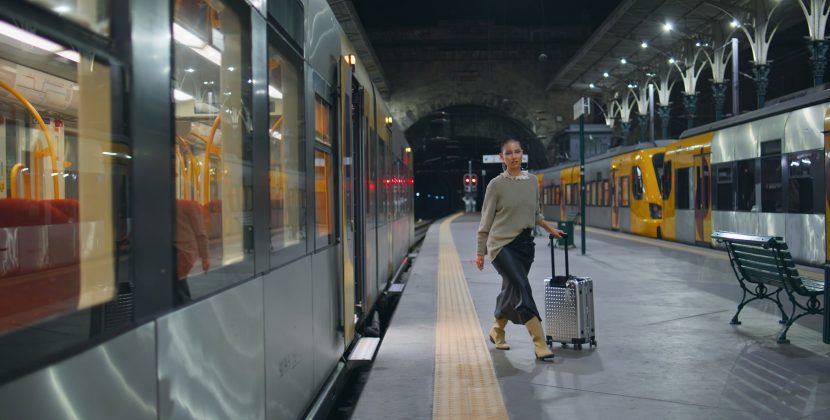
Night Travel Australia 2026: Safe Public Transport Guide for Students

Night Travel Australia 2026: Safe Public Transport Guide for Students

  • Maithili
  • March 19, 2026
  • 3 min read
  • 58
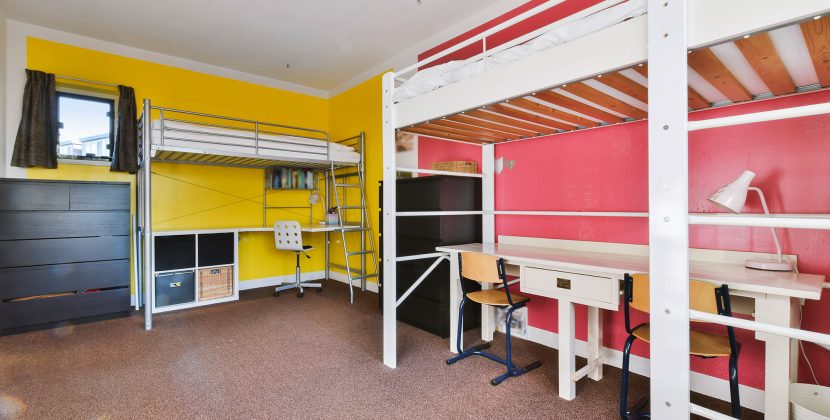
Safe Student Housing Guide 2026: How to Spot Rental Scams

Safe Student Housing Guide 2026: How to Spot Rental Scams

  • Aarav
  • March 19, 2026
  • 3 min read
  • 61
Is Australia Safe for International Students in 2026? Crime & Scam Truths

Is Australia Safe for International Students in 2026? Crime & Scam Truths

  • Maithili
  • March 18, 2026
  • 3 min read
  • 87
2026 Cost of Living Australia: Monthly Student Expense Guide

2026 Cost of Living Australia: Monthly Student Expense Guide

  • Maithili
  • March 18, 2026
  • 2 min read
  • 100
Sydney vs. Adelaide 2026: Best Value for International Students?

Sydney vs. Adelaide 2026: Best Value for International Students?

  • Sara
  • March 18, 2026
  • 3 min read
  • 138
How to Educate Your Child in Australia 2026: 7 Budgeting Tips

How to Educate Your Child in Australia 2026: 7 Budgeting Tips

  • Aarav
  • March 18, 2026
  • 3 min read
  • 62
Telstra vs Optus vs Vodafone 2026: Australia's Best Network Comparison

Telstra vs Optus vs Vodafone 2026: Australia’s Best Network Comparison

  • Maithili
  • March 16, 2026
  • 2 min read
  • 348
The Switch vs. Dwell 2026: Best New Student Housing in Australia?

The Switch vs. Dwell 2026: Best New Student Housing in Australia?

  • Aarav
  • March 16, 2026
  • 3 min read
  • 83
Scape vs. Iglu Perks 2026: Exclusive Student Discounts & Rewards

Scape vs. Iglu Perks 2026: Exclusive Student Discounts & Rewards

  • Aarav
  • March 13, 2026
  • 3 min read
  • 81
  • Prev.
  • 1
  • …
  • 63
  • 64
  • 65
  • 66
  • 67
  • …
  • 74
  • Next

Popular Post

Top 10 High-Interest Savings Accounts Australia: A Student Guide

Top 10 High-Interest Savings Accounts Australia: A Student Guide (444)

  • Aarav
  • March 6, 2026
Regional Australia Postcode List 2026: The “Extra 5 Points” Guide

Regional Australia Postcode List 2026: The “Extra 5 Points” Guide (374)

  • Maithili
  • March 17, 2026
Australia Student Visa Refund Policy: Rejection Guide

Australia Student Visa Refund Policy: Rejection Guide (370)

  • Sara
  • March 9, 2026
Felix Mobile Review 2026: Is the $20 Unlimited Data Plan Worth It?

Felix Mobile Review 2026: Is the $20 Unlimited Data Plan Worth It? (362)

  • Aarav
  • March 25, 2026
Telstra vs Optus vs Vodafone 2026: Australia’s Best Network Comparison

Telstra vs Optus vs Vodafone 2026: Australia’s Best Network Comparison (348)

  • Maithili
  • March 16, 2026

Newsletter

Weather

Dhaka
moderate rain
32℃
36º - 28º
humidity: 58%
wind: 10 km/h
  • 35℃
    Wed
  • 34℃
    Thu
  • 28℃
    Fri
  • 28℃
    Sat
  • 32℃
    Sun
  • 32℃
    Mon

Beach Safety Signs Australia 2026: Yellow Diamonds & Red Circles Explained

  • Why Secret Beaches are Dangerous 2026: The "No Lifeguard" Risk - Australia Student & Expat Resource Hub | NammAustralia
  • 7 Jun 2026

Australia Beach Safety Guide 2026: Why Red & Yellow Flags Save Lives

  • Why Secret Beaches are Dangerous 2026: The "No Lifeguard" Risk - Australia Student & Expat Resource Hub | NammAustralia
  • 7 Jun 2026

Top 5 Affordable “University Towns” in Australia You’ve Probably Never Heard Of.

  • Telstra vs Optus vs Vodafone 2026: Australia's Best Network Comparison - Australia Student & Expat Resource Hub | NammAustralia
  • 7 Jun 2026

How to Spot Authentic Australian-Made Skincare Products (2026)

  • Sunburn in Australia 2026: Why the Sun is Stronger Than India & Gulf - Australia Student & Expat Resource Hub | NammAustralia
  • 7 Jun 2026

Beyond Tuition: 5 Hidden Costs of Studying in Australia (2026 Guide)

  • 2026 Cost of Living Australia: Monthly Student Expense Guide - Australia Student & Expat Resource Hub | NammAustralia
  • 7 Jun 2026
Australia Student & Expat Resource Hub | NammAustralia

Nammaustralia is a practical guide for international students moving to Australia. We cover visas, jobs, accommodation, cost of living, and PR pathways with clear, research-based insights for Indian and GCC students.

Disclaimer: The information provided is for general informational purposes only. Please verify details with official sources. We are not liable for decisions made based on this content.

Start Your Journey

  • Pre-Departure Checklist
  • First 48 Hours Guide
  • Student Visa 500 Guide
  • Student Budget 2026
  • TFN Application Guide

Explore by Topic

  • Study in Australia
  • Work in Australia
  • PR & Immigration
  • Accommodation
  • Life in Australia

© 2026 Nammaustralia. All rights reserved.

  • Privacy Policy
  • Disclaimer
  • Terms of Use
✉

Living in or moving to Australia?

Join 2,400+ expats getting weekly guides on banking, accommodation, visas & student life in Australia

🔒  No spam. Unsubscribe anytime.