Australia Student & Expat Resource Hub | NammAustralia Australia Student & Expat Resource Hub | NammAustralia

Latest post

Is a Monthly Rideshare Statement an Official Tax Document?

Is a Monthly Rideshare Statement an Official Tax Document?

  • Aarav
  • July 16, 2026
Where to Find Rideshare Gross Earnings Statements for BAS (2026)

Where to Find Rideshare Gross Earnings Statements for BAS (2026)

  • Sara
  • July 16, 2026
How to Download Your Annual Tax Summary from the Uber Driver Dashboard

How to Download Your Annual Tax Summary from the Uber Driver Dashboard

  • Maithili
  • July 16, 2026

Popular Posts

Top 10 High-Interest Savings Accounts Australia: A Student Guide

Top 10 High-Interest Savings Accounts Australia: A Student Guide (541)

  • Aarav
  • March 6, 2026
Regional Australia Postcode List 2026: The “Extra 5 Points” Guide

Regional Australia Postcode List 2026: The “Extra 5 Points” Guide (510)

  • Maithili
  • March 17, 2026
Australia Student Visa Refund Policy: Rejection Guide

Australia Student Visa Refund Policy: Rejection Guide (477)

  • Sara
  • March 9, 2026
Felix Mobile Review 2026: Is the $20 Unlimited Data Plan Worth It?

Felix Mobile Review 2026: Is the $20 Unlimited Data Plan Worth It? (465)

  • Aarav
  • March 25, 2026
Telstra vs Optus vs Vodafone 2026: Australia’s Best Network Comparison

Telstra vs Optus vs Vodafone 2026: Australia’s Best Network Comparison (456)

  • Maithili
  • March 16, 2026

Stay Connected


Professionally fabricate client-centered content for superior expertise. Objectively leverage others covalent imperatives vis-a-vis state of the art potentialities. Competently matrix

Email: trendymag@domain.com
Phone: 00123 456 789

Popular Posts

Top 10 High-Interest Savings Accounts Australia: A Student Guide

Top 10 High-Interest Savings Accounts Australia: A Student Guide

Regional Australia Postcode List 2026: The “Extra 5 Points” Guide

Regional Australia Postcode List 2026: The “Extra 5 Points” Guide

Australia Student Visa Refund Policy: Rejection Guide

Australia Student Visa Refund Policy: Rejection Guide

Find us on Facebook

Find us on Facebook

Australia Student & Expat Resource Hub | NammAustralia Australia Student & Expat Resource Hub | NammAustralia

Featured
  • Start Here

    In 2026, a visa audit doesn't always start with a knock on the door. Thanks to integrated digital systems, the Department of Home Affairs now conducts "Silent Audits" by cross-referencing your employer’s payroll data with your visa conditions in real-time.

    Here is exactly what the process looks like if you are flagged for a compliance check.


    1. The Digital Trigger (The "Silent Audit")

    Most audits are now triggered by Single Touch Payroll (STP). When your employer pays you, the Australian Taxation Office (ATO) receives that data. If your earnings suggest you are working more than 48 hours a week at your current pay rate, an automated flag is sent to the Department of Home Affairs.


    2. The Request for Information (RFI)

    If a discrepancy is found, you (or your employer) will receive an RFI. The Department will ask for:

    • Official payslips and bank statements.
    • Current rosters and time-sheets.
    • Confirmation of Enrolment (CoE) to check your holiday periods (when work limits don't apply).


    3. The On-Site Inspection (ABF)

    While rarer than digital checks, the Australian Border Force (ABF) can perform unannounced site visits. They may:

    • Interview employees to verify their roles.
    • Check that you are performing the specific duties allowed by your visa.
    • Review "Right to Work" (VEVO) logs kept by the employer.


    4. The NOICC (Notice of Intention to Consider Cancellation)

    If the Department believes a breach has occurred, they won't just cancel your visa immediately. They must send you a NOICC.

    Important: A NOICC is a formal letter stating they are thinking about cancelling your visa. You usually have 28 days to provide a legal argument or evidence as to why they shouldn't.


    5. The Final Decision

    After reviewing your response, the Department will either:

    • Issue a Warning: For minor, first-time, or accidental breaches.
    • Maintain Your Visa: If your evidence proves you stayed within your limits.
    • Cancel Your Visa: If a serious or intentional breach is confirmed.


    How to Stay "Audit-Ready"

    • Check VEVO Monthly: Ensure your status hasn't changed and your contact details are current in ImmiAccount.
    • Keep a Work Diary: If you work multiple jobs, keep a single spreadsheet (like our 48-hour tracker) to prove you never exceeded the fortnightly limit across all employers combined.
    • Verify "Holiday" Dates: Only work unlimited hours during the official university break dates listed on your institution's website—not just when you personally have no classes.
  • Study

    In 2026, a visa audit doesn't always start with a knock on the door. Thanks to integrated digital systems, the Department of Home Affairs now conducts "Silent Audits" by cross-referencing your employer’s payroll data with your visa conditions in real-time.

    Here is exactly what the process looks like if you are flagged for a compliance check.


    1. The Digital Trigger (The "Silent Audit")

    Most audits are now triggered by Single Touch Payroll (STP). When your employer pays you, the Australian Taxation Office (ATO) receives that data. If your earnings suggest you are working more than 48 hours a week at your current pay rate, an automated flag is sent to the Department of Home Affairs.


    2. The Request for Information (RFI)

    If a discrepancy is found, you (or your employer) will receive an RFI. The Department will ask for:

    • Official payslips and bank statements.
    • Current rosters and time-sheets.
    • Confirmation of Enrolment (CoE) to check your holiday periods (when work limits don't apply).


    3. The On-Site Inspection (ABF)

    While rarer than digital checks, the Australian Border Force (ABF) can perform unannounced site visits. They may:

    • Interview employees to verify their roles.
    • Check that you are performing the specific duties allowed by your visa.
    • Review "Right to Work" (VEVO) logs kept by the employer.


    4. The NOICC (Notice of Intention to Consider Cancellation)

    If the Department believes a breach has occurred, they won't just cancel your visa immediately. They must send you a NOICC.

    Important: A NOICC is a formal letter stating they are thinking about cancelling your visa. You usually have 28 days to provide a legal argument or evidence as to why they shouldn't.


    5. The Final Decision

    After reviewing your response, the Department will either:

    • Issue a Warning: For minor, first-time, or accidental breaches.
    • Maintain Your Visa: If your evidence proves you stayed within your limits.
    • Cancel Your Visa: If a serious or intentional breach is confirmed.


    How to Stay "Audit-Ready"

    • Check VEVO Monthly: Ensure your status hasn't changed and your contact details are current in ImmiAccount.
    • Keep a Work Diary: If you work multiple jobs, keep a single spreadsheet (like our 48-hour tracker) to prove you never exceeded the fortnightly limit across all employers combined.
    • Verify "Holiday" Dates: Only work unlimited hours during the official university break dates listed on your institution's website—not just when you personally have no classes.
  • Work

    In 2026, a visa audit doesn't always start with a knock on the door. Thanks to integrated digital systems, the Department of Home Affairs now conducts "Silent Audits" by cross-referencing your employer’s payroll data with your visa conditions in real-time.

    Here is exactly what the process looks like if you are flagged for a compliance check.


    1. The Digital Trigger (The "Silent Audit")

    Most audits are now triggered by Single Touch Payroll (STP). When your employer pays you, the Australian Taxation Office (ATO) receives that data. If your earnings suggest you are working more than 48 hours a week at your current pay rate, an automated flag is sent to the Department of Home Affairs.


    2. The Request for Information (RFI)

    If a discrepancy is found, you (or your employer) will receive an RFI. The Department will ask for:

    • Official payslips and bank statements.
    • Current rosters and time-sheets.
    • Confirmation of Enrolment (CoE) to check your holiday periods (when work limits don't apply).


    3. The On-Site Inspection (ABF)

    While rarer than digital checks, the Australian Border Force (ABF) can perform unannounced site visits. They may:

    • Interview employees to verify their roles.
    • Check that you are performing the specific duties allowed by your visa.
    • Review "Right to Work" (VEVO) logs kept by the employer.


    4. The NOICC (Notice of Intention to Consider Cancellation)

    If the Department believes a breach has occurred, they won't just cancel your visa immediately. They must send you a NOICC.

    Important: A NOICC is a formal letter stating they are thinking about cancelling your visa. You usually have 28 days to provide a legal argument or evidence as to why they shouldn't.


    5. The Final Decision

    After reviewing your response, the Department will either:

    • Issue a Warning: For minor, first-time, or accidental breaches.
    • Maintain Your Visa: If your evidence proves you stayed within your limits.
    • Cancel Your Visa: If a serious or intentional breach is confirmed.


    How to Stay "Audit-Ready"

    • Check VEVO Monthly: Ensure your status hasn't changed and your contact details are current in ImmiAccount.
    • Keep a Work Diary: If you work multiple jobs, keep a single spreadsheet (like our 48-hour tracker) to prove you never exceeded the fortnightly limit across all employers combined.
    • Verify "Holiday" Dates: Only work unlimited hours during the official university break dates listed on your institution's website—not just when you personally have no classes.
  • Living in Australia

    In 2026, a visa audit doesn't always start with a knock on the door. Thanks to integrated digital systems, the Department of Home Affairs now conducts "Silent Audits" by cross-referencing your employer’s payroll data with your visa conditions in real-time.

    Here is exactly what the process looks like if you are flagged for a compliance check.


    1. The Digital Trigger (The "Silent Audit")

    Most audits are now triggered by Single Touch Payroll (STP). When your employer pays you, the Australian Taxation Office (ATO) receives that data. If your earnings suggest you are working more than 48 hours a week at your current pay rate, an automated flag is sent to the Department of Home Affairs.


    2. The Request for Information (RFI)

    If a discrepancy is found, you (or your employer) will receive an RFI. The Department will ask for:

    • Official payslips and bank statements.
    • Current rosters and time-sheets.
    • Confirmation of Enrolment (CoE) to check your holiday periods (when work limits don't apply).


    3. The On-Site Inspection (ABF)

    While rarer than digital checks, the Australian Border Force (ABF) can perform unannounced site visits. They may:

    • Interview employees to verify their roles.
    • Check that you are performing the specific duties allowed by your visa.
    • Review "Right to Work" (VEVO) logs kept by the employer.


    4. The NOICC (Notice of Intention to Consider Cancellation)

    If the Department believes a breach has occurred, they won't just cancel your visa immediately. They must send you a NOICC.

    Important: A NOICC is a formal letter stating they are thinking about cancelling your visa. You usually have 28 days to provide a legal argument or evidence as to why they shouldn't.


    5. The Final Decision

    After reviewing your response, the Department will either:

    • Issue a Warning: For minor, first-time, or accidental breaches.
    • Maintain Your Visa: If your evidence proves you stayed within your limits.
    • Cancel Your Visa: If a serious or intentional breach is confirmed.


    How to Stay "Audit-Ready"

    • Check VEVO Monthly: Ensure your status hasn't changed and your contact details are current in ImmiAccount.
    • Keep a Work Diary: If you work multiple jobs, keep a single spreadsheet (like our 48-hour tracker) to prove you never exceeded the fortnightly limit across all employers combined.
    • Verify "Holiday" Dates: Only work unlimited hours during the official university break dates listed on your institution's website—not just when you personally have no classes.
    • Accommodation
    • Banking
    • Food
    • Lifestyle
    • Health & Wellness
  • Travel

    In 2026, a visa audit doesn't always start with a knock on the door. Thanks to integrated digital systems, the Department of Home Affairs now conducts "Silent Audits" by cross-referencing your employer’s payroll data with your visa conditions in real-time.

    Here is exactly what the process looks like if you are flagged for a compliance check.


    1. The Digital Trigger (The "Silent Audit")

    Most audits are now triggered by Single Touch Payroll (STP). When your employer pays you, the Australian Taxation Office (ATO) receives that data. If your earnings suggest you are working more than 48 hours a week at your current pay rate, an automated flag is sent to the Department of Home Affairs.


    2. The Request for Information (RFI)

    If a discrepancy is found, you (or your employer) will receive an RFI. The Department will ask for:

    • Official payslips and bank statements.
    • Current rosters and time-sheets.
    • Confirmation of Enrolment (CoE) to check your holiday periods (when work limits don't apply).


    3. The On-Site Inspection (ABF)

    While rarer than digital checks, the Australian Border Force (ABF) can perform unannounced site visits. They may:

    • Interview employees to verify their roles.
    • Check that you are performing the specific duties allowed by your visa.
    • Review "Right to Work" (VEVO) logs kept by the employer.


    4. The NOICC (Notice of Intention to Consider Cancellation)

    If the Department believes a breach has occurred, they won't just cancel your visa immediately. They must send you a NOICC.

    Important: A NOICC is a formal letter stating they are thinking about cancelling your visa. You usually have 28 days to provide a legal argument or evidence as to why they shouldn't.


    5. The Final Decision

    After reviewing your response, the Department will either:

    • Issue a Warning: For minor, first-time, or accidental breaches.
    • Maintain Your Visa: If your evidence proves you stayed within your limits.
    • Cancel Your Visa: If a serious or intentional breach is confirmed.


    How to Stay "Audit-Ready"

    • Check VEVO Monthly: Ensure your status hasn't changed and your contact details are current in ImmiAccount.
    • Keep a Work Diary: If you work multiple jobs, keep a single spreadsheet (like our 48-hour tracker) to prove you never exceeded the fortnightly limit across all employers combined.
    • Verify "Holiday" Dates: Only work unlimited hours during the official university break dates listed on your institution's website—not just when you personally have no classes.
  • Visa & Immigration

    In 2026, a visa audit doesn't always start with a knock on the door. Thanks to integrated digital systems, the Department of Home Affairs now conducts "Silent Audits" by cross-referencing your employer’s payroll data with your visa conditions in real-time.

    Here is exactly what the process looks like if you are flagged for a compliance check.


    1. The Digital Trigger (The "Silent Audit")

    Most audits are now triggered by Single Touch Payroll (STP). When your employer pays you, the Australian Taxation Office (ATO) receives that data. If your earnings suggest you are working more than 48 hours a week at your current pay rate, an automated flag is sent to the Department of Home Affairs.


    2. The Request for Information (RFI)

    If a discrepancy is found, you (or your employer) will receive an RFI. The Department will ask for:

    • Official payslips and bank statements.
    • Current rosters and time-sheets.
    • Confirmation of Enrolment (CoE) to check your holiday periods (when work limits don't apply).


    3. The On-Site Inspection (ABF)

    While rarer than digital checks, the Australian Border Force (ABF) can perform unannounced site visits. They may:

    • Interview employees to verify their roles.
    • Check that you are performing the specific duties allowed by your visa.
    • Review "Right to Work" (VEVO) logs kept by the employer.


    4. The NOICC (Notice of Intention to Consider Cancellation)

    If the Department believes a breach has occurred, they won't just cancel your visa immediately. They must send you a NOICC.

    Important: A NOICC is a formal letter stating they are thinking about cancelling your visa. You usually have 28 days to provide a legal argument or evidence as to why they shouldn't.


    5. The Final Decision

    After reviewing your response, the Department will either:

    • Issue a Warning: For minor, first-time, or accidental breaches.
    • Maintain Your Visa: If your evidence proves you stayed within your limits.
    • Cancel Your Visa: If a serious or intentional breach is confirmed.


    How to Stay "Audit-Ready"

    • Check VEVO Monthly: Ensure your status hasn't changed and your contact details are current in ImmiAccount.
    • Keep a Work Diary: If you work multiple jobs, keep a single spreadsheet (like our 48-hour tracker) to prove you never exceeded the fortnightly limit across all employers combined.
    • Verify "Holiday" Dates: Only work unlimited hours during the official university break dates listed on your institution's website—not just when you personally have no classes.
    • Family & Partner Visas
    • Permanent Residency (PR)
    • Student Visas
    • Work & Skilled Visas
  • Parents Hub

    In 2026, a visa audit doesn't always start with a knock on the door. Thanks to integrated digital systems, the Department of Home Affairs now conducts "Silent Audits" by cross-referencing your employer’s payroll data with your visa conditions in real-time.

    Here is exactly what the process looks like if you are flagged for a compliance check.


    1. The Digital Trigger (The "Silent Audit")

    Most audits are now triggered by Single Touch Payroll (STP). When your employer pays you, the Australian Taxation Office (ATO) receives that data. If your earnings suggest you are working more than 48 hours a week at your current pay rate, an automated flag is sent to the Department of Home Affairs.


    2. The Request for Information (RFI)

    If a discrepancy is found, you (or your employer) will receive an RFI. The Department will ask for:

    • Official payslips and bank statements.
    • Current rosters and time-sheets.
    • Confirmation of Enrolment (CoE) to check your holiday periods (when work limits don't apply).


    3. The On-Site Inspection (ABF)

    While rarer than digital checks, the Australian Border Force (ABF) can perform unannounced site visits. They may:

    • Interview employees to verify their roles.
    • Check that you are performing the specific duties allowed by your visa.
    • Review "Right to Work" (VEVO) logs kept by the employer.


    4. The NOICC (Notice of Intention to Consider Cancellation)

    If the Department believes a breach has occurred, they won't just cancel your visa immediately. They must send you a NOICC.

    Important: A NOICC is a formal letter stating they are thinking about cancelling your visa. You usually have 28 days to provide a legal argument or evidence as to why they shouldn't.


    5. The Final Decision

    After reviewing your response, the Department will either:

    • Issue a Warning: For minor, first-time, or accidental breaches.
    • Maintain Your Visa: If your evidence proves you stayed within your limits.
    • Cancel Your Visa: If a serious or intentional breach is confirmed.


    How to Stay "Audit-Ready"

    • Check VEVO Monthly: Ensure your status hasn't changed and your contact details are current in ImmiAccount.
    • Keep a Work Diary: If you work multiple jobs, keep a single spreadsheet (like our 48-hour tracker) to prove you never exceeded the fortnightly limit across all employers combined.
    • Verify "Holiday" Dates: Only work unlimited hours during the official university break dates listed on your institution's website—not just when you personally have no classes.
  • Student Hub

    In 2026, a visa audit doesn't always start with a knock on the door. Thanks to integrated digital systems, the Department of Home Affairs now conducts "Silent Audits" by cross-referencing your employer’s payroll data with your visa conditions in real-time.

    Here is exactly what the process looks like if you are flagged for a compliance check.


    1. The Digital Trigger (The "Silent Audit")

    Most audits are now triggered by Single Touch Payroll (STP). When your employer pays you, the Australian Taxation Office (ATO) receives that data. If your earnings suggest you are working more than 48 hours a week at your current pay rate, an automated flag is sent to the Department of Home Affairs.


    2. The Request for Information (RFI)

    If a discrepancy is found, you (or your employer) will receive an RFI. The Department will ask for:

    • Official payslips and bank statements.
    • Current rosters and time-sheets.
    • Confirmation of Enrolment (CoE) to check your holiday periods (when work limits don't apply).


    3. The On-Site Inspection (ABF)

    While rarer than digital checks, the Australian Border Force (ABF) can perform unannounced site visits. They may:

    • Interview employees to verify their roles.
    • Check that you are performing the specific duties allowed by your visa.
    • Review "Right to Work" (VEVO) logs kept by the employer.


    4. The NOICC (Notice of Intention to Consider Cancellation)

    If the Department believes a breach has occurred, they won't just cancel your visa immediately. They must send you a NOICC.

    Important: A NOICC is a formal letter stating they are thinking about cancelling your visa. You usually have 28 days to provide a legal argument or evidence as to why they shouldn't.


    5. The Final Decision

    After reviewing your response, the Department will either:

    • Issue a Warning: For minor, first-time, or accidental breaches.
    • Maintain Your Visa: If your evidence proves you stayed within your limits.
    • Cancel Your Visa: If a serious or intentional breach is confirmed.


    How to Stay "Audit-Ready"

    • Check VEVO Monthly: Ensure your status hasn't changed and your contact details are current in ImmiAccount.
    • Keep a Work Diary: If you work multiple jobs, keep a single spreadsheet (like our 48-hour tracker) to prove you never exceeded the fortnightly limit across all employers combined.
    • Verify "Holiday" Dates: Only work unlimited hours during the official university break dates listed on your institution's website—not just when you personally have no classes.

Category: Visa & Immigration

  • Home
  • Visa & Immigration
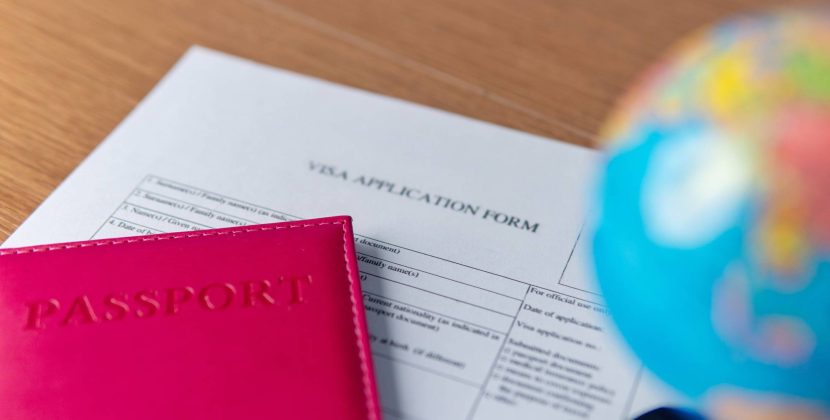
What Happens During a Department of Home Affairs Visa Audit? (2026 Guide)

What Happens During a Department of Home Affairs Visa Audit? (2026 Guide)

  • Sara
  • April 30, 2026
  • 3 min read
  • 54
Can I Work Two Jobs on a Student Visa in 2026? (Ultimate Guide)

Can I Work Two Jobs on a Student Visa in 2026? (Ultimate Guide)

  • Aarav
  • April 30, 2026
  • 3 min read
  • 65
Can I Apply for a 485 Visa if My Health Exam is Pending? (2026)

Can I Apply for a 485 Visa if My Health Exam is Pending? (2026)

  • Aarav
  • April 29, 2026
  • 2 min read
  • 56
485 Visa Document Checklist for Indian Graduates 2026 (Updated)

485 Visa Document Checklist for Indian Graduates 2026 (Updated)

  • Sara
  • April 29, 2026
  • 2 min read
  • 48
Does ISEALS Help with 485 Graduate Visa Applications? (2026)

Does ISEALS Help with 485 Graduate Visa Applications? (2026)

  • Maithili
  • April 28, 2026
  • 2 min read
  • 34
Can My Boss Cancel My Student Visa? How ISEALS Can Help (2026)

Can My Boss Cancel My Student Visa? How ISEALS Can Help (2026)

  • Sara
  • April 28, 2026
  • 2 min read
  • 33
Australia Student Visa Work Rights 2026: The 48-Hour Rule Explained

Australia Student Visa Work Rights 2026: The 48-Hour Rule Explained

  • Maithili
  • April 28, 2026
  • 3 min read
  • 69
Can ISEALP Help with Visa Issues and Work Rights? (2026 Guide)

Can ISEALP Help with Visa Issues and Work Rights? (2026 Guide)

  • Aarav
  • April 27, 2026
  • 3 min read
  • 41
Does Credit Card Debt Affect My Australian 485 Visa? (2026)

Does Credit Card Debt Affect My Australian 485 Visa? (2026)

  • Aarav
  • April 27, 2026
  • 3 min read
  • 77
How to Translate Overseas Income Documents for Australian Universities (2026)

How to Translate Overseas Income Documents for Australian Universities (2026)

  • Sara
  • April 27, 2026
  • 3 min read
  • 76
  • Prev.
  • 1
  • …
  • 49
  • 50
  • 51
  • 52
  • 53
  • …
  • 64
  • Next

Popular Post

Top 10 High-Interest Savings Accounts Australia: A Student Guide

Top 10 High-Interest Savings Accounts Australia: A Student Guide (541)

  • Aarav
  • March 6, 2026
Regional Australia Postcode List 2026: The “Extra 5 Points” Guide

Regional Australia Postcode List 2026: The “Extra 5 Points” Guide (510)

  • Maithili
  • March 17, 2026
Australia Student Visa Refund Policy: Rejection Guide

Australia Student Visa Refund Policy: Rejection Guide (477)

  • Sara
  • March 9, 2026
Felix Mobile Review 2026: Is the $20 Unlimited Data Plan Worth It?

Felix Mobile Review 2026: Is the $20 Unlimited Data Plan Worth It? (465)

  • Aarav
  • March 25, 2026
Telstra vs Optus vs Vodafone 2026: Australia’s Best Network Comparison

Telstra vs Optus vs Vodafone 2026: Australia’s Best Network Comparison (456)

  • Maithili
  • March 16, 2026

Newsletter

Weather

Dhaka
few clouds
28℃
31º - 25º
humidity: 70%
wind: 5 km/h
  • 32℃
    Sat
  • 32℃
    Sun
  • 32℃
    Mon
  • 32℃
    Tue
  • 32℃
    Wed
  • 32℃
    Thu

How to Spot Authentic Australian-Made Skincare Products (2026)

  • Buhgalteri_blMr
  • 17 Jul 2026

How to Spot Authentic Australian-Made Skincare Products (2026)

  • Buhgalteri_yqMr
  • 17 Jul 2026

How to Spot Authentic Australian-Made Skincare Products (2026)

  • buhgalters_fypn
  • 12 Jul 2026

How to Spot Authentic Australian-Made Skincare Products (2026)

  • stoleshnic_sqEn
  • 9 Jul 2026

How to Spot Authentic Australian-Made Skincare Products (2026)

  • dizaynersk_udOn
  • 9 Jul 2026
Australia Student & Expat Resource Hub | NammAustralia

Nammaustralia is a practical guide for international students moving to Australia. We cover visas, jobs, accommodation, cost of living, and PR pathways with clear, research-based insights for Indian and GCC students.

Disclaimer: The information provided is for general informational purposes only. Please verify details with official sources. We are not liable for decisions made based on this content.

Start Your Journey

  • Pre-Departure Checklist
  • First 48 Hours Guide
  • Student Visa 500 Guide
  • Student Budget 2026
  • TFN Application Guide

Explore by Topic

  • Study in Australia
  • Work in Australia
  • PR & Immigration
  • Accommodation
  • Life in Australia

© 2026 Nammaustralia. All rights reserved.

  • Privacy Policy
  • Disclaimer
  • Terms of Use
✉

Living in or moving to Australia?

Join 2,400+ expats getting weekly guides on banking, accommodation, visas & student life in Australia

🔒  No spam. Unsubscribe anytime.