








1. The Primary Lifeline: Triple Zero (000)
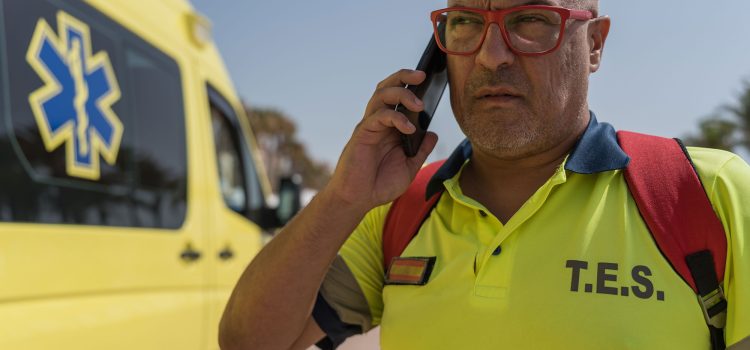
In a life-threatening or time-critical emergency, dial 000. This works even if your mobile phone has no credit or a locked SIM card.
- What to expect: An operator will ask: “Police, Fire, or Ambulance?”
- Language Support: If you cannot speak English well, stay on the line and say your language (e.g., “Hindi” or “Arabic”). They will connect a translator.
- The Cost Myth: While ambulance transport can be expensive, it is covered by your OSHC (Overseas Student Health Cover) in an emergency. Do not let cost stop you from saving a life.
2. Non-Urgent “Gray Area” Numbers
If it’s a problem but not a “life-or-death” situation, avoid calling 000 to keep lines free.
| Situation | Who to Call | Number |
| Non-Urgent Crime | Police Assistance Line (e.g., stolen bike, property damage) | 131 444 |
| Health Advice | healthdirect (24/7 registered nurse advice) | 1800 022 222 |
| Natural Disasters | SES (State Emergency Service) for floods or storms | 132 500 |
| Poisoning | Poisons Information Centre (bites, stings, overdose) | 13 11 26 |
3. Legal Crises & Your Rights
As an international student in 2026, you have the same legal protections as any Australian. If you are arrested, facing eviction, or being exploited at work:
- Redfern Legal Centre (NSW) / Westjustice (VIC): These centers have specific International Student Legal Services that are 100% free and confidential.
- Fair Work Ombudsman: If your boss is underpaying you or threatening your visa, call 13 13 94. Under the 2026 Assurance Protocol, you can report exploitation without fear of visa cancellation.
- On-Campus Security: Save your university’s 24/7 security number in your phone. They are often first responders for incidents on campus or in student housing.
4. 2026 “Safe Travel” Tech
- Emergency+ App: Download this immediately. It uses your phone’s GPS to give 000 operators your exact coordinates (including a “what3words” address), which is vital if you are lost in a park or a new suburb.
- TIS National (131 450): This is the Translating and Interpreting Service. If you need to speak to a doctor, lawyer, or government agency and they don’t have a translator, call this number first.
5. 3 Steps for a Medical Emergency
- Call 000 and stay calm.
- Give your location (look for street signs or use the Emergency+ app).
- Check OSHC later: Once the emergency is over, your OSHC provider will handle the ambulance bill. You just need to provide your policy number.