1. Top Suburbs for Authentic Indian Food
If you want the best “Bang for your Buck,” head to these designated “Little Indias” where competition keeps prices low and quality high.
| City | The “Little India” Suburb | Why Visit? |
| Sydney | Harris Park / Parramatta | The heart of Sydney’s Indian community. Wigram St is lined with 24/7 eateries. |
| Melbourne | Tarneit / Footscray / Clayton | Highest concentration of Indian students; famous for “unauthentic” and fusion spots. |
| Brisbane | Sunnybank / West End | Great mix of traditional South Indian (Dosa) and modern street food. |
| Perth | Northbridge / Victoria Park | Known for the best Hare Krishna buffets and family-owned vegan spots. |
| Adelaide | Adelaide CBD (Currie St) | Home to the famous “Banana Leaf” and budget-friendly student spots. |
2. 2026 Must-Try Vegetarian & Vegan Spots
The “Street Food” Specialist: Jay Bhavani (Multiple Locations)
As of 2026, Jay Bhavani is the go-to for students wanting 100% pure vegetarian street food.
- Signature Dish: Vada Pav and Pav Bhaji.
- Vibe: Casual, fast, and very affordable (~$12–$18 per person).
The “No-Fuss” Legend: Om Vegetarian (Melbourne CBD)
Famous among students for decades, Om continues to offer one of the cheapest meals in Australia.
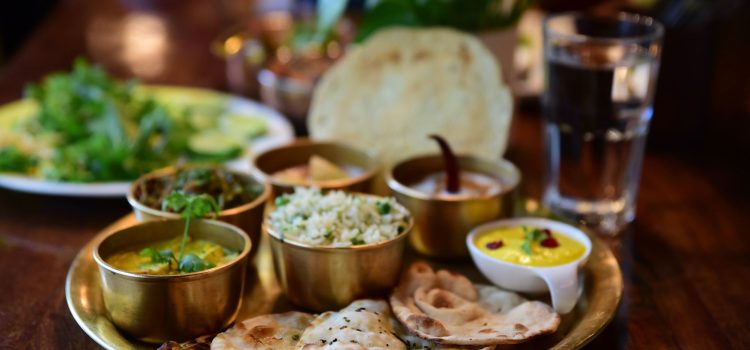
- The Deal: “All-you-can-eat” style thalis (rice, lentils, and curry) for a fixed low price.
- Benefit: 100% vegetarian with many vegan-friendly lentil options.
The South Indian King: Saravanaa Bhavan (Sydney/Brisbane)
If you are vegan, South Indian cuisine is your best friend. Most Dosas and Idlis are naturally vegan (just ask for no ghee).
- Signature Dish: Paper Thin Ghee Roast Dosa or the Thali.
- Price: Mid-range (~$20–$25 per meal).
3. Saving Money: Tiffin Services & Groceries
In 2026, the cost-of-living crisis has made Tiffin Services the most popular option for students.
- Student Tiffins (e.g., StudentTiffins.com.au): You can subscribe to weekly meal plans starting from $10–$15 per meal. These are home-cooked, healthy, and delivered to major university hubs like UNSW or Monash.
- Ready-to-Eat (RTE) Packs: Indian grocery stores like India At Home or Hindustan Imports sell MTR or Haldiram’s RTE packs for $4.50–$5.50. In 2026, these are the ultimate “exam week” survival food.
- Grocery Hack: Buy your lentils (Dal) and rice in 10kg–20kg bags from Dandenong (VIC) or Auburn (NSW) markets. You’ll save up to 40% compared to buying small bags at Coles or Woolworths.
4. Identifying “Hidden” Non-Vegan Ingredients
When dining out in Australia, always clarify these three ingredients which are common in Indian cooking:
- Ghee (Clarified Butter): Often brushed on Naan or used in tempering. Ask for “Oil only.”
- Paneer (Cottage Cheese): A vegetarian staple, but not vegan. Swap for Tofu (many 2026 restaurants now offer a “Tofu Butter Masala”).
- Cream/Yogurt: Used in North Indian “Makhani” gravies. Stick to Tarka Dal or Chana Masala, which are usually tomato and onion-based.
5. 2026 Pricing Reality Check
- Casual Takeaway: $15 – $22 per curry.
- Sit-down Dinner: $25 – $45 per person.
- Student Combo (Rice + 2 Curries): $12 – $16 (found in food courts).