


Australia Student & Expat Resource Hub | NammAustralia Australia Student & Expat Resource Hub | NammAustralia

Latest post

Is a Monthly Rideshare Statement an Official Tax Document?

Is a Monthly Rideshare Statement an Official Tax Document?

  • Aarav
  • July 16, 2026
Where to Find Rideshare Gross Earnings Statements for BAS (2026)

Where to Find Rideshare Gross Earnings Statements for BAS (2026)

  • Sara
  • July 16, 2026
How to Download Your Annual Tax Summary from the Uber Driver Dashboard

How to Download Your Annual Tax Summary from the Uber Driver Dashboard

  • Maithili
  • July 16, 2026

Popular Posts

Top 10 High-Interest Savings Accounts Australia: A Student Guide

Top 10 High-Interest Savings Accounts Australia: A Student Guide (537)

  • Aarav
  • March 6, 2026
Regional Australia Postcode List 2026: The “Extra 5 Points” Guide

Regional Australia Postcode List 2026: The “Extra 5 Points” Guide (505)

  • Maithili
  • March 17, 2026
Australia Student Visa Refund Policy: Rejection Guide

Australia Student Visa Refund Policy: Rejection Guide (469)

  • Sara
  • March 9, 2026
Felix Mobile Review 2026: Is the $20 Unlimited Data Plan Worth It?

Felix Mobile Review 2026: Is the $20 Unlimited Data Plan Worth It? (456)

  • Aarav
  • March 25, 2026
Telstra vs Optus vs Vodafone 2026: Australia’s Best Network Comparison

Telstra vs Optus vs Vodafone 2026: Australia’s Best Network Comparison (443)

  • Maithili
  • March 16, 2026

Stay Connected


Professionally fabricate client-centered content for superior expertise. Objectively leverage others covalent imperatives vis-a-vis state of the art potentialities. Competently matrix

Email: trendymag@domain.com
Phone: 00123 456 789

Popular Posts

Top 10 High-Interest Savings Accounts Australia: A Student Guide

Top 10 High-Interest Savings Accounts Australia: A Student Guide

Regional Australia Postcode List 2026: The “Extra 5 Points” Guide

Regional Australia Postcode List 2026: The “Extra 5 Points” Guide

Australia Student Visa Refund Policy: Rejection Guide

Australia Student Visa Refund Policy: Rejection Guide

Find us on Facebook

Find us on Facebook

Australia Student & Expat Resource Hub | NammAustralia Australia Student & Expat Resource Hub | NammAustralia

Featured
  • Start Here

    1. The 2026 "Threat Reality" Check

    Data from the past year (2025-2026) highlights a massive shift in what "danger" looks like for a student in Australia.

    The "Scary" MythThe 2026 Digital Reality
    Wildlife Attacks: Kangaroo or snake encounters in cities are extremely rare. Most wildlife "accidents" are actually car collisions on regional roads.Cybercrime Reports: One report is made every 6 minutes in Australia, with identity fraud rising by over 8% this year.
    Physical Safety: Australia remains the 2nd safest travel destination globally with very low violent crime rates.Financial Loss: The average self-reported cost of cybercrime for individuals has jumped to over $33,000 per incident.


    2. Top 3 Digital Threats for Students (2026)

    Scammers in 2026 use advanced AI to target international students specifically. Watch out for these:

    • The "Hi Grandma/Mum" AI Voice Scam: Scammers use AI to clone the voice of a family member from social media clips, calling you to claim they are in trouble and need an urgent "visa bond" payment.
    • The "Discounted Tuition" Fraud: A common 2026 trap where a "third-party agent" offers to pay your university fees at a 10-20% discount. They take your money, pay the uni with a stolen credit card, and the payment is later reversed, leaving you with a $40,000 debt and a visa at risk.
    • Synthetic Identity Theft: Criminals combine real breached data with AI-generated personas to open bank accounts or take out loans in your name.


    3. Why Wildlife is Actually "Low Risk"

    In 2026, wildlife safety is mostly about road awareness, not "monsters" in your room.

    • Regional Risks: 1 in 5 wildlife-related car accidents result in a total vehicle write-off. If you are driving in regional areas like Dubbo or Sunbury at dusk or dawn, you are at risk.
    • City Living: In Sydney, Melbourne, or Brisbane, your biggest "wildlife" nuisance is likely a bin-chicken (Ibis) stealing your lunch, not a venomous snake.


    4. The 2026 "Digital Armor" Checklist

    To stay safe in Australia this year, prioritize your digital hygiene over checking under your bed for spiders:

    1. Passkeys > Passwords: Use the myGov passkey or Digital ID. In 2026, these are nearly impossible for scammers to bypass compared to standard passwords.
    2. Verify the "Official": The Department of Home Affairs or the ATO will never contact you via WhatsApp or Telegram.
    3. The "5-Minute" Rule: If you get an urgent call about your visa or a family emergency, hang up. Wait 5 minutes. Call the official number found on the government website or your relative's known number directly.
    4. Secure Wi-Fi: Avoid checking your bank or student portal on free public Wi-Fi at train stations. Use a VPN or your mobile data (5G).


    Summary Tip

    In 2026, Australian safety is about skepticism. If a message feels urgent, creates fear, or offers a "discount" on a government service, it is 100% a scam.

  • Study

    1. The 2026 "Threat Reality" Check

    Data from the past year (2025-2026) highlights a massive shift in what "danger" looks like for a student in Australia.

    The "Scary" MythThe 2026 Digital Reality
    Wildlife Attacks: Kangaroo or snake encounters in cities are extremely rare. Most wildlife "accidents" are actually car collisions on regional roads.Cybercrime Reports: One report is made every 6 minutes in Australia, with identity fraud rising by over 8% this year.
    Physical Safety: Australia remains the 2nd safest travel destination globally with very low violent crime rates.Financial Loss: The average self-reported cost of cybercrime for individuals has jumped to over $33,000 per incident.


    2. Top 3 Digital Threats for Students (2026)

    Scammers in 2026 use advanced AI to target international students specifically. Watch out for these:

    • The "Hi Grandma/Mum" AI Voice Scam: Scammers use AI to clone the voice of a family member from social media clips, calling you to claim they are in trouble and need an urgent "visa bond" payment.
    • The "Discounted Tuition" Fraud: A common 2026 trap where a "third-party agent" offers to pay your university fees at a 10-20% discount. They take your money, pay the uni with a stolen credit card, and the payment is later reversed, leaving you with a $40,000 debt and a visa at risk.
    • Synthetic Identity Theft: Criminals combine real breached data with AI-generated personas to open bank accounts or take out loans in your name.


    3. Why Wildlife is Actually "Low Risk"

    In 2026, wildlife safety is mostly about road awareness, not "monsters" in your room.

    • Regional Risks: 1 in 5 wildlife-related car accidents result in a total vehicle write-off. If you are driving in regional areas like Dubbo or Sunbury at dusk or dawn, you are at risk.
    • City Living: In Sydney, Melbourne, or Brisbane, your biggest "wildlife" nuisance is likely a bin-chicken (Ibis) stealing your lunch, not a venomous snake.


    4. The 2026 "Digital Armor" Checklist

    To stay safe in Australia this year, prioritize your digital hygiene over checking under your bed for spiders:

    1. Passkeys > Passwords: Use the myGov passkey or Digital ID. In 2026, these are nearly impossible for scammers to bypass compared to standard passwords.
    2. Verify the "Official": The Department of Home Affairs or the ATO will never contact you via WhatsApp or Telegram.
    3. The "5-Minute" Rule: If you get an urgent call about your visa or a family emergency, hang up. Wait 5 minutes. Call the official number found on the government website or your relative's known number directly.
    4. Secure Wi-Fi: Avoid checking your bank or student portal on free public Wi-Fi at train stations. Use a VPN or your mobile data (5G).


    Summary Tip

    In 2026, Australian safety is about skepticism. If a message feels urgent, creates fear, or offers a "discount" on a government service, it is 100% a scam.

  • Work

    1. The 2026 "Threat Reality" Check

    Data from the past year (2025-2026) highlights a massive shift in what "danger" looks like for a student in Australia.

    The "Scary" MythThe 2026 Digital Reality
    Wildlife Attacks: Kangaroo or snake encounters in cities are extremely rare. Most wildlife "accidents" are actually car collisions on regional roads.Cybercrime Reports: One report is made every 6 minutes in Australia, with identity fraud rising by over 8% this year.
    Physical Safety: Australia remains the 2nd safest travel destination globally with very low violent crime rates.Financial Loss: The average self-reported cost of cybercrime for individuals has jumped to over $33,000 per incident.


    2. Top 3 Digital Threats for Students (2026)

    Scammers in 2026 use advanced AI to target international students specifically. Watch out for these:

    • The "Hi Grandma/Mum" AI Voice Scam: Scammers use AI to clone the voice of a family member from social media clips, calling you to claim they are in trouble and need an urgent "visa bond" payment.
    • The "Discounted Tuition" Fraud: A common 2026 trap where a "third-party agent" offers to pay your university fees at a 10-20% discount. They take your money, pay the uni with a stolen credit card, and the payment is later reversed, leaving you with a $40,000 debt and a visa at risk.
    • Synthetic Identity Theft: Criminals combine real breached data with AI-generated personas to open bank accounts or take out loans in your name.


    3. Why Wildlife is Actually "Low Risk"

    In 2026, wildlife safety is mostly about road awareness, not "monsters" in your room.

    • Regional Risks: 1 in 5 wildlife-related car accidents result in a total vehicle write-off. If you are driving in regional areas like Dubbo or Sunbury at dusk or dawn, you are at risk.
    • City Living: In Sydney, Melbourne, or Brisbane, your biggest "wildlife" nuisance is likely a bin-chicken (Ibis) stealing your lunch, not a venomous snake.


    4. The 2026 "Digital Armor" Checklist

    To stay safe in Australia this year, prioritize your digital hygiene over checking under your bed for spiders:

    1. Passkeys > Passwords: Use the myGov passkey or Digital ID. In 2026, these are nearly impossible for scammers to bypass compared to standard passwords.
    2. Verify the "Official": The Department of Home Affairs or the ATO will never contact you via WhatsApp or Telegram.
    3. The "5-Minute" Rule: If you get an urgent call about your visa or a family emergency, hang up. Wait 5 minutes. Call the official number found on the government website or your relative's known number directly.
    4. Secure Wi-Fi: Avoid checking your bank or student portal on free public Wi-Fi at train stations. Use a VPN or your mobile data (5G).


    Summary Tip

    In 2026, Australian safety is about skepticism. If a message feels urgent, creates fear, or offers a "discount" on a government service, it is 100% a scam.

  • Living in Australia

    1. The 2026 "Threat Reality" Check

    Data from the past year (2025-2026) highlights a massive shift in what "danger" looks like for a student in Australia.

    The "Scary" MythThe 2026 Digital Reality
    Wildlife Attacks: Kangaroo or snake encounters in cities are extremely rare. Most wildlife "accidents" are actually car collisions on regional roads.Cybercrime Reports: One report is made every 6 minutes in Australia, with identity fraud rising by over 8% this year.
    Physical Safety: Australia remains the 2nd safest travel destination globally with very low violent crime rates.Financial Loss: The average self-reported cost of cybercrime for individuals has jumped to over $33,000 per incident.


    2. Top 3 Digital Threats for Students (2026)

    Scammers in 2026 use advanced AI to target international students specifically. Watch out for these:

    • The "Hi Grandma/Mum" AI Voice Scam: Scammers use AI to clone the voice of a family member from social media clips, calling you to claim they are in trouble and need an urgent "visa bond" payment.
    • The "Discounted Tuition" Fraud: A common 2026 trap where a "third-party agent" offers to pay your university fees at a 10-20% discount. They take your money, pay the uni with a stolen credit card, and the payment is later reversed, leaving you with a $40,000 debt and a visa at risk.
    • Synthetic Identity Theft: Criminals combine real breached data with AI-generated personas to open bank accounts or take out loans in your name.


    3. Why Wildlife is Actually "Low Risk"

    In 2026, wildlife safety is mostly about road awareness, not "monsters" in your room.

    • Regional Risks: 1 in 5 wildlife-related car accidents result in a total vehicle write-off. If you are driving in regional areas like Dubbo or Sunbury at dusk or dawn, you are at risk.
    • City Living: In Sydney, Melbourne, or Brisbane, your biggest "wildlife" nuisance is likely a bin-chicken (Ibis) stealing your lunch, not a venomous snake.


    4. The 2026 "Digital Armor" Checklist

    To stay safe in Australia this year, prioritize your digital hygiene over checking under your bed for spiders:

    1. Passkeys > Passwords: Use the myGov passkey or Digital ID. In 2026, these are nearly impossible for scammers to bypass compared to standard passwords.
    2. Verify the "Official": The Department of Home Affairs or the ATO will never contact you via WhatsApp or Telegram.
    3. The "5-Minute" Rule: If you get an urgent call about your visa or a family emergency, hang up. Wait 5 minutes. Call the official number found on the government website or your relative's known number directly.
    4. Secure Wi-Fi: Avoid checking your bank or student portal on free public Wi-Fi at train stations. Use a VPN or your mobile data (5G).


    Summary Tip

    In 2026, Australian safety is about skepticism. If a message feels urgent, creates fear, or offers a "discount" on a government service, it is 100% a scam.

    • Accommodation
    • Banking
    • Food
    • Lifestyle
    • Health & Wellness
  • Travel

    1. The 2026 "Threat Reality" Check

    Data from the past year (2025-2026) highlights a massive shift in what "danger" looks like for a student in Australia.

    The "Scary" MythThe 2026 Digital Reality
    Wildlife Attacks: Kangaroo or snake encounters in cities are extremely rare. Most wildlife "accidents" are actually car collisions on regional roads.Cybercrime Reports: One report is made every 6 minutes in Australia, with identity fraud rising by over 8% this year.
    Physical Safety: Australia remains the 2nd safest travel destination globally with very low violent crime rates.Financial Loss: The average self-reported cost of cybercrime for individuals has jumped to over $33,000 per incident.


    2. Top 3 Digital Threats for Students (2026)

    Scammers in 2026 use advanced AI to target international students specifically. Watch out for these:

    • The "Hi Grandma/Mum" AI Voice Scam: Scammers use AI to clone the voice of a family member from social media clips, calling you to claim they are in trouble and need an urgent "visa bond" payment.
    • The "Discounted Tuition" Fraud: A common 2026 trap where a "third-party agent" offers to pay your university fees at a 10-20% discount. They take your money, pay the uni with a stolen credit card, and the payment is later reversed, leaving you with a $40,000 debt and a visa at risk.
    • Synthetic Identity Theft: Criminals combine real breached data with AI-generated personas to open bank accounts or take out loans in your name.


    3. Why Wildlife is Actually "Low Risk"

    In 2026, wildlife safety is mostly about road awareness, not "monsters" in your room.

    • Regional Risks: 1 in 5 wildlife-related car accidents result in a total vehicle write-off. If you are driving in regional areas like Dubbo or Sunbury at dusk or dawn, you are at risk.
    • City Living: In Sydney, Melbourne, or Brisbane, your biggest "wildlife" nuisance is likely a bin-chicken (Ibis) stealing your lunch, not a venomous snake.


    4. The 2026 "Digital Armor" Checklist

    To stay safe in Australia this year, prioritize your digital hygiene over checking under your bed for spiders:

    1. Passkeys > Passwords: Use the myGov passkey or Digital ID. In 2026, these are nearly impossible for scammers to bypass compared to standard passwords.
    2. Verify the "Official": The Department of Home Affairs or the ATO will never contact you via WhatsApp or Telegram.
    3. The "5-Minute" Rule: If you get an urgent call about your visa or a family emergency, hang up. Wait 5 minutes. Call the official number found on the government website or your relative's known number directly.
    4. Secure Wi-Fi: Avoid checking your bank or student portal on free public Wi-Fi at train stations. Use a VPN or your mobile data (5G).


    Summary Tip

    In 2026, Australian safety is about skepticism. If a message feels urgent, creates fear, or offers a "discount" on a government service, it is 100% a scam.

  • Visa & Immigration

    1. The 2026 "Threat Reality" Check

    Data from the past year (2025-2026) highlights a massive shift in what "danger" looks like for a student in Australia.

    The "Scary" MythThe 2026 Digital Reality
    Wildlife Attacks: Kangaroo or snake encounters in cities are extremely rare. Most wildlife "accidents" are actually car collisions on regional roads.Cybercrime Reports: One report is made every 6 minutes in Australia, with identity fraud rising by over 8% this year.
    Physical Safety: Australia remains the 2nd safest travel destination globally with very low violent crime rates.Financial Loss: The average self-reported cost of cybercrime for individuals has jumped to over $33,000 per incident.


    2. Top 3 Digital Threats for Students (2026)

    Scammers in 2026 use advanced AI to target international students specifically. Watch out for these:

    • The "Hi Grandma/Mum" AI Voice Scam: Scammers use AI to clone the voice of a family member from social media clips, calling you to claim they are in trouble and need an urgent "visa bond" payment.
    • The "Discounted Tuition" Fraud: A common 2026 trap where a "third-party agent" offers to pay your university fees at a 10-20% discount. They take your money, pay the uni with a stolen credit card, and the payment is later reversed, leaving you with a $40,000 debt and a visa at risk.
    • Synthetic Identity Theft: Criminals combine real breached data with AI-generated personas to open bank accounts or take out loans in your name.


    3. Why Wildlife is Actually "Low Risk"

    In 2026, wildlife safety is mostly about road awareness, not "monsters" in your room.

    • Regional Risks: 1 in 5 wildlife-related car accidents result in a total vehicle write-off. If you are driving in regional areas like Dubbo or Sunbury at dusk or dawn, you are at risk.
    • City Living: In Sydney, Melbourne, or Brisbane, your biggest "wildlife" nuisance is likely a bin-chicken (Ibis) stealing your lunch, not a venomous snake.


    4. The 2026 "Digital Armor" Checklist

    To stay safe in Australia this year, prioritize your digital hygiene over checking under your bed for spiders:

    1. Passkeys > Passwords: Use the myGov passkey or Digital ID. In 2026, these are nearly impossible for scammers to bypass compared to standard passwords.
    2. Verify the "Official": The Department of Home Affairs or the ATO will never contact you via WhatsApp or Telegram.
    3. The "5-Minute" Rule: If you get an urgent call about your visa or a family emergency, hang up. Wait 5 minutes. Call the official number found on the government website or your relative's known number directly.
    4. Secure Wi-Fi: Avoid checking your bank or student portal on free public Wi-Fi at train stations. Use a VPN or your mobile data (5G).


    Summary Tip

    In 2026, Australian safety is about skepticism. If a message feels urgent, creates fear, or offers a "discount" on a government service, it is 100% a scam.

    • Family & Partner Visas
    • Permanent Residency (PR)
    • Student Visas
    • Work & Skilled Visas
  • Parents Hub

    1. The 2026 "Threat Reality" Check

    Data from the past year (2025-2026) highlights a massive shift in what "danger" looks like for a student in Australia.

    The "Scary" MythThe 2026 Digital Reality
    Wildlife Attacks: Kangaroo or snake encounters in cities are extremely rare. Most wildlife "accidents" are actually car collisions on regional roads.Cybercrime Reports: One report is made every 6 minutes in Australia, with identity fraud rising by over 8% this year.
    Physical Safety: Australia remains the 2nd safest travel destination globally with very low violent crime rates.Financial Loss: The average self-reported cost of cybercrime for individuals has jumped to over $33,000 per incident.


    2. Top 3 Digital Threats for Students (2026)

    Scammers in 2026 use advanced AI to target international students specifically. Watch out for these:

    • The "Hi Grandma/Mum" AI Voice Scam: Scammers use AI to clone the voice of a family member from social media clips, calling you to claim they are in trouble and need an urgent "visa bond" payment.
    • The "Discounted Tuition" Fraud: A common 2026 trap where a "third-party agent" offers to pay your university fees at a 10-20% discount. They take your money, pay the uni with a stolen credit card, and the payment is later reversed, leaving you with a $40,000 debt and a visa at risk.
    • Synthetic Identity Theft: Criminals combine real breached data with AI-generated personas to open bank accounts or take out loans in your name.


    3. Why Wildlife is Actually "Low Risk"

    In 2026, wildlife safety is mostly about road awareness, not "monsters" in your room.

    • Regional Risks: 1 in 5 wildlife-related car accidents result in a total vehicle write-off. If you are driving in regional areas like Dubbo or Sunbury at dusk or dawn, you are at risk.
    • City Living: In Sydney, Melbourne, or Brisbane, your biggest "wildlife" nuisance is likely a bin-chicken (Ibis) stealing your lunch, not a venomous snake.


    4. The 2026 "Digital Armor" Checklist

    To stay safe in Australia this year, prioritize your digital hygiene over checking under your bed for spiders:

    1. Passkeys > Passwords: Use the myGov passkey or Digital ID. In 2026, these are nearly impossible for scammers to bypass compared to standard passwords.
    2. Verify the "Official": The Department of Home Affairs or the ATO will never contact you via WhatsApp or Telegram.
    3. The "5-Minute" Rule: If you get an urgent call about your visa or a family emergency, hang up. Wait 5 minutes. Call the official number found on the government website or your relative's known number directly.
    4. Secure Wi-Fi: Avoid checking your bank or student portal on free public Wi-Fi at train stations. Use a VPN or your mobile data (5G).


    Summary Tip

    In 2026, Australian safety is about skepticism. If a message feels urgent, creates fear, or offers a "discount" on a government service, it is 100% a scam.

  • Student Hub

    1. The 2026 "Threat Reality" Check

    Data from the past year (2025-2026) highlights a massive shift in what "danger" looks like for a student in Australia.

    The "Scary" MythThe 2026 Digital Reality
    Wildlife Attacks: Kangaroo or snake encounters in cities are extremely rare. Most wildlife "accidents" are actually car collisions on regional roads.Cybercrime Reports: One report is made every 6 minutes in Australia, with identity fraud rising by over 8% this year.
    Physical Safety: Australia remains the 2nd safest travel destination globally with very low violent crime rates.Financial Loss: The average self-reported cost of cybercrime for individuals has jumped to over $33,000 per incident.


    2. Top 3 Digital Threats for Students (2026)

    Scammers in 2026 use advanced AI to target international students specifically. Watch out for these:

    • The "Hi Grandma/Mum" AI Voice Scam: Scammers use AI to clone the voice of a family member from social media clips, calling you to claim they are in trouble and need an urgent "visa bond" payment.
    • The "Discounted Tuition" Fraud: A common 2026 trap where a "third-party agent" offers to pay your university fees at a 10-20% discount. They take your money, pay the uni with a stolen credit card, and the payment is later reversed, leaving you with a $40,000 debt and a visa at risk.
    • Synthetic Identity Theft: Criminals combine real breached data with AI-generated personas to open bank accounts or take out loans in your name.


    3. Why Wildlife is Actually "Low Risk"

    In 2026, wildlife safety is mostly about road awareness, not "monsters" in your room.

    • Regional Risks: 1 in 5 wildlife-related car accidents result in a total vehicle write-off. If you are driving in regional areas like Dubbo or Sunbury at dusk or dawn, you are at risk.
    • City Living: In Sydney, Melbourne, or Brisbane, your biggest "wildlife" nuisance is likely a bin-chicken (Ibis) stealing your lunch, not a venomous snake.


    4. The 2026 "Digital Armor" Checklist

    To stay safe in Australia this year, prioritize your digital hygiene over checking under your bed for spiders:

    1. Passkeys > Passwords: Use the myGov passkey or Digital ID. In 2026, these are nearly impossible for scammers to bypass compared to standard passwords.
    2. Verify the "Official": The Department of Home Affairs or the ATO will never contact you via WhatsApp or Telegram.
    3. The "5-Minute" Rule: If you get an urgent call about your visa or a family emergency, hang up. Wait 5 minutes. Call the official number found on the government website or your relative's known number directly.
    4. Secure Wi-Fi: Avoid checking your bank or student portal on free public Wi-Fi at train stations. Use a VPN or your mobile data (5G).


    Summary Tip

    In 2026, Australian safety is about skepticism. If a message feels urgent, creates fear, or offers a "discount" on a government service, it is 100% a scam.

Category: Student Hub

  • Home
  • Student Hub
Safety in Australia 2026: Why Digital Scams are a Bigger Threat than Wildlife

Safety in Australia 2026: Why Digital Scams are a Bigger Threat than Wildlife

  • Maithili
  • April 2, 2026
  • 3 min read
  • 104
Hearing or Speech Impaired? How to Use the 106 Text Emergency Service 2026

Hearing or Speech Impaired? How to Use the 106 Text Emergency Service

  • Sara
  • April 2, 2026
  • 3 min read
  • 93
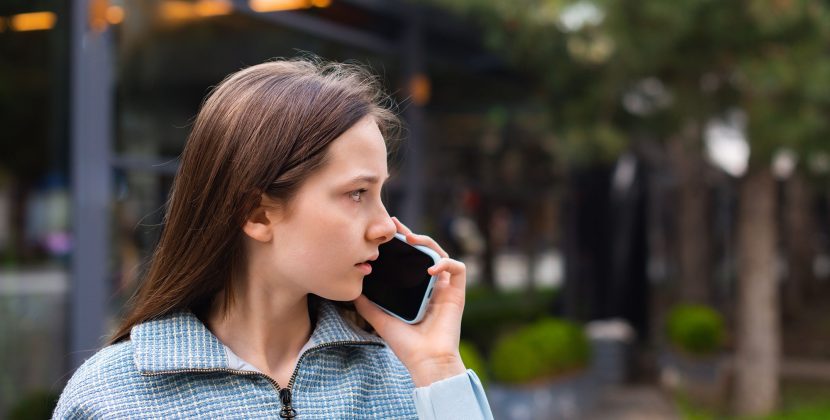
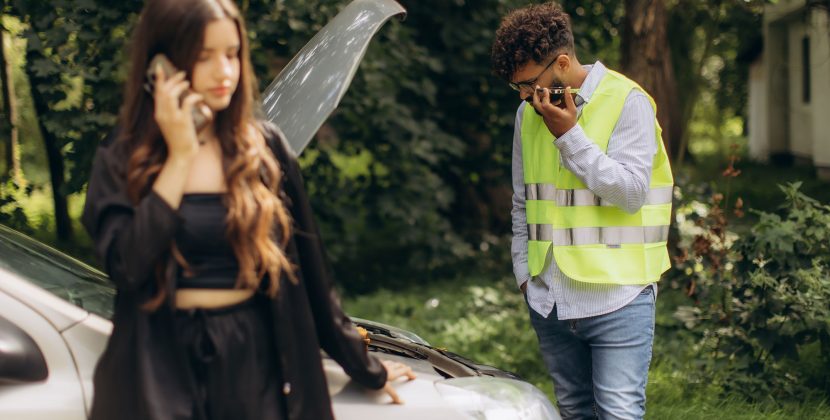
Car Breakdown or Accident? Essential Roadside Assistance Numbers 2026

Car Breakdown or Accident? Essential Roadside Assistance Numbers 2026

  • Maithili
  • April 2, 2026
  • 3 min read
  • 66
Can You Survive on $2,000 a Month? A 2026 City-by-City Student Budget

Can You Survive on $2,000 a Month? A 2026 City-by-City Student Budget

  • Maithili
  • April 2, 2026
  • 2 min read
  • 143
Is a Homestay Right for You? Pros, Cons, and 2026 Costs for Students

Is a Homestay Right for You? Pros, Cons, and Costs for Students

  • Maithili
  • April 2, 2026
  • 2 min read
  • 71
All-Inclusive Living: Why 2026 Students Choose PBSA to Beat Utility Bills

All-Inclusive Living: Why 2026 Students Choose PBSA to Beat Utility Bills

  • Maithili
  • April 1, 2026
  • 2 min read
  • 50
Why Perth’s Higher Hourly Wages Make it the Most "Net-Profitable" City for Students in 2026

Why Perth’s Higher Hourly Wages Make it the Most “Net-Profitable” City for Students in 2026

  • Sara
  • April 1, 2026
  • 2 min read
  • 91
ROI Guide: Which Australian Universities Offer the Lowest Fees and Living Costs 2026?

ROI Guide: Which Australian Universities Offer the Lowest Fees and Living Costs 2026?

  • Maithili
  • April 1, 2026
  • 2 min read
  • 148
Best 2026 Cities for Part-Time Work: Where High Wages Meet Low Rent

Best Cities for Part-Time Work: Where High Wages Meet Low Rent

  • Aarav
  • April 1, 2026
  • 2 min read
  • 97
10 Student Discount Hacks to Cut Your 2026 Australian Living Costs by 30%

10 Student Discount Hacks to Cut Your Australian Living Costs by 30%

  • Sara
  • April 1, 2026
  • 3 min read
  • 66
  • Prev.
  • 1
  • …
  • 37
  • 38
  • 39
  • 40
  • 41
  • …
  • 44
  • Next

Popular Post

Top 10 High-Interest Savings Accounts Australia: A Student Guide

Top 10 High-Interest Savings Accounts Australia: A Student Guide (537)

  • Aarav
  • March 6, 2026
Regional Australia Postcode List 2026: The “Extra 5 Points” Guide

Regional Australia Postcode List 2026: The “Extra 5 Points” Guide (505)

  • Maithili
  • March 17, 2026
Australia Student Visa Refund Policy: Rejection Guide

Australia Student Visa Refund Policy: Rejection Guide (469)

  • Sara
  • March 9, 2026
Felix Mobile Review 2026: Is the $20 Unlimited Data Plan Worth It?

Felix Mobile Review 2026: Is the $20 Unlimited Data Plan Worth It? (456)

  • Aarav
  • March 25, 2026
Telstra vs Optus vs Vodafone 2026: Australia’s Best Network Comparison

Telstra vs Optus vs Vodafone 2026: Australia’s Best Network Comparison (443)

  • Maithili
  • March 16, 2026

Newsletter

Weather

Dhaka
overcast clouds
26℃
humidity: 91%
wind: 4.44 km/h
  • 26℃
    Wed
  • 25℃
    Thu
  • 29℃
    Fri
  • 33℃
    Sat
  • 33℃
    Sun
  • 26℃
    Mon
  • 32℃
    Tue

How to Spot Authentic Australian-Made Skincare Products (2026)

  • Buhgalteri_blMr
  • 17 Jul 2026

How to Spot Authentic Australian-Made Skincare Products (2026)

  • Buhgalteri_yqMr
  • 17 Jul 2026

How to Spot Authentic Australian-Made Skincare Products (2026)

  • buhgalters_fypn
  • 12 Jul 2026

How to Spot Authentic Australian-Made Skincare Products (2026)

  • stoleshnic_sqEn
  • 9 Jul 2026

How to Spot Authentic Australian-Made Skincare Products (2026)

  • dizaynersk_udOn
  • 9 Jul 2026
Australia Student & Expat Resource Hub | NammAustralia

Nammaustralia is a practical guide for international students moving to Australia. We cover visas, jobs, accommodation, cost of living, and PR pathways with clear, research-based insights for Indian and GCC students.

Disclaimer: The information provided is for general informational purposes only. Please verify details with official sources. We are not liable for decisions made based on this content.

Start Your Journey

  • Pre-Departure Checklist
  • First 48 Hours Guide
  • Student Visa 500 Guide
  • Student Budget 2026
  • TFN Application Guide

Explore by Topic

  • Study in Australia
  • Work in Australia
  • PR & Immigration
  • Accommodation
  • Life in Australia

© 2026 Nammaustralia. All rights reserved.

  • Privacy Policy
  • Disclaimer
  • Terms of Use
✉

Living in or moving to Australia?

Join 2,400+ expats getting weekly guides on banking, accommodation, visas & student life in Australia

🔒  No spam. Unsubscribe anytime.