






1. The 2026 “Price Check”: Essential Expenses
The Australian Bureau of Statistics (ABS) reports that housing and food remain the largest contributors to household cost increases in early 2026.
Accommodation (The Heavy Lifter)
Rent remains the most volatile expense. In 2026, the market has shifted: Sydney is experiencing a severe supply shortage, while Melbourne has seen a slight stabilization in shared-room prices.
| City | Shared Room (Weekly) | 1-Bed Apt (Monthly) | 2026 Trend |
| Sydney | $400 – $480 | $2,800+ | 📈 Increasing |
| Melbourne | $280 – $380 | $2,200+ | ↔️ Stabilizing |
| Brisbane | $250 – $350 | $2,000+ | 📈 High Growth |
| Perth | $230 – $320 | $1,900+ | 📈 Crisis Low Vacancy |
Groceries & Dining
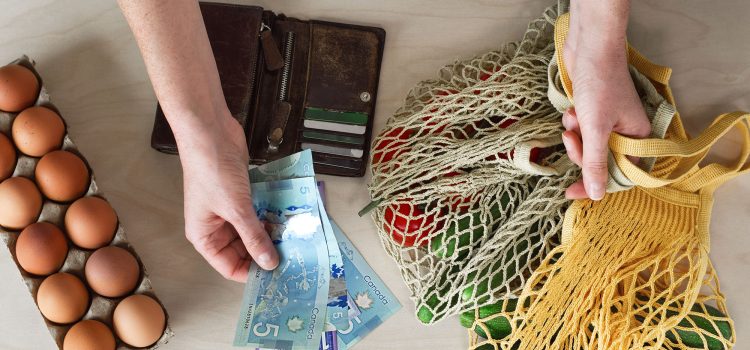
Food costs in 2026 are highly dependent on where you shop.
- Weekly Grocery Budget: A disciplined student can spend $80–$120 by shopping at Aldi or local markets (like Footscray Click to open side panel for more information or Sunnybank.
- The “Eating Out” Reality: A casual cafe lunch in 2026 averages $18–$28, while a coffee has settled at $5.00–$6.00.
2. Transport: The 2026 Revolution
2026 has seen a massive divergence in transport costs across states.
- Brisbane’s $0.50 Win: As of March 2026, Brisbane has maintained its $0.50 flat-rate fare for all Translink services, making it the most affordable city for commuters.
- Perth’s “Go Anywhere” Cap: Fares have been reduced to a $3.50 flat rate for 2-zone travel, with free travel for students during school terms.
- The Sydney/Melbourne Struggle: Students in Sydney (non-concession) and Melbourne (myki) should budget $160–$220/month for full-fare travel.
3. Visa Compliance: The ,710 Rule
The Australian Government has strictly enforced the $29,710 annual living cost requirement for 2026 Student Visa (Subclass 500) applicants.
Note: This amount is the minimum required for visa approval. Actual spending in Sydney or Melbourne often exceeds $35,000/year for a comfortable lifestyle.
4. Tips to Beat “Student Inflation” in 2026
- Utilities Timing: Electricity prices spike in Jan/Feb (Summer). Budget an extra $50/month for air-con during these months.
- The "Aldi Hack": Students who switch from major retailers to Aldi report saving 25% on their monthly grocery bill.
- iUSEpass (Melbourne): If your institution is eligible, the annual 50% discount on myki can save you over $800/year.
- Regional Advantage: Cities like Adelaide and Hobart offer nearly identical education quality but with 20% lower rent.