








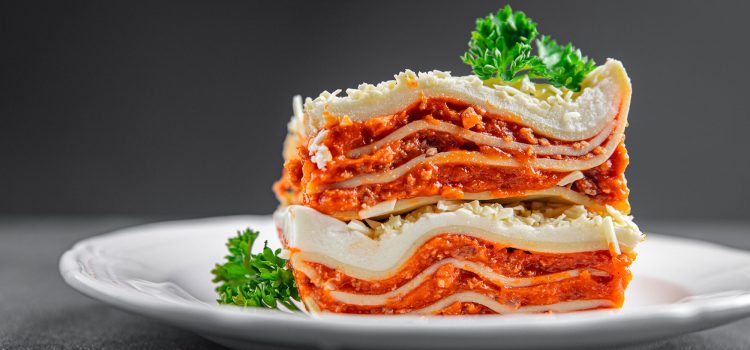
1. The “Like-for-Like” Trap: Why Stars are Relative
The biggest misconception in 2026 is that a 4-star rating is an absolute score of health.
- The Category Rule: Ratings only compare products within the same category. A 4-star lasagna is healthier than a 2-star lasagna, but it is not necessarily healthier than a 3-star yogurt or a 5-star bag of spinach.
- The “As Sold” Mandate: As of late 2025, all ratings must be calculated based on the product “as sold” rather than “as prepared.” This means manufacturers can no longer boost a rating by assuming you’ll serve the lasagna with a massive side of fresh, fiber-rich salad.
2. Can You Trust the 4 Stars? (The 2026 Audit)
A frozen lasagna can hit 4 stars by “gaming” the algorithm through a process known as Nutrient Balancing.
| The “Negative” Points (Red Flags) | The “Positive” Points (The Fix) | The Result |
| High Sodium: Often 800mg+ per serve. | Added Fiber: Inulin or pea fiber added to the pasta. | 4 STARS |
| Saturated Fat: From cheese and bechamel. | Vegetable Content: 20% “hidden” carrot or zucchini mince. | 4 STARS |
| High Calories: 500+ kcal per tray. | High Protein: 30g+ of beef or soy protein. | 4 STARS |
2026 Verdict: You can trust the stars for comparison, but not for quality. A 4-star lasagna is still an ultra-processed food. It simply has a better ratio of protein/fiber to salt/saturated fat than its competitors.
3. 2026 Red Flags: Beyond the Stars
When looking at that 4-star tray in the Coles or Woolworths freezer aisle this month, check for these “Algorithm Busters”:
- The Sodium Ceiling: In 2026, many 4-star meals still contain 40% of your daily salt intake. If the “Sodium” icon on the front shows more than 600mg, the stars are masking a high-blood-pressure risk.
- The Additive Gap: The HSR algorithm does not penalize for emulsifiers, thickeners, or preservatives. A lasagna can be “4 Stars” while containing 15 different ultra-processed additives that aren’t great for gut health.
- The “Veggie” Illusion: To get that 4th star, brands often add Tomato Paste. Under the 2026 rules, tomato paste counts as a concentrated vegetable, allowing the product to “earn” points even if actual whole vegetables are minimal.