1. The 2026 Seasonal Calendar
Okra and Bitter Melon are heat-loving crops. In 2026, most Australian-grown stock comes from the Northern Territory and North Queensland, with peak availability during the warmer months.
| Season | Availability | Price Expectation (Avg.) | Student Strategy |
| Summer (Dec–Feb) | Peak | $6.00 – $10.00/kg | Best time for bulk buying and pickling/freezing. |
| Autumn (Mar–May) | High | $10.00 – $14.00/kg | Prices start rising; check local “Independent” grocers. |
| Winter (Jun–Aug) | Low | $18.00 – $25.00/kg | Avoid. Switch to frozen packs from the Indian grocer. |
| Spring (Sep–Nov) | Building | $12.00 – $16.00/kg | Look for the first “New Season” crops from Darwin. |
2. Where to Buy: The “Student Hubs”
If you shop at a boutique grocer in the CBD, you will pay a “convenience tax.” To find the best Bhindi and Karela, you need to visit the wholesale-to-public markets.
Sydney: The Flemington Advantage
- Sydney Markets (Paddy’s Flemington): Visit on Saturday morning. You can often find crates of Okra for 30% less than retail.
- Harris Park/Blacktown: Local Indian grocers here (like Radhe) receive daily deliveries of fresh produce. Check their “outside bins” for the best deals.
Melbourne: The “Big Four” Markets
- Footscray & Preston Markets: These are the most student-friendly. In 2026, Footscray remains the cheapest for “Bitter Gourd” due to the high Vietnamese and Indian population nearby.
- Dandenong Market: The absolute king of variety. If a specific Indian vegetable exists in Victoria, it’s here.
Brisbane: The Tropical Edge
- Inala Civic Centre: Because of the climate, Brisbane students often get the best prices on Bitter Melon. Inala is consistently $2–$4 cheaper than the inner-city markets.
3. How to Spot “Value” (Quality Checklist)
When buying in bulk to save money, don’t get stuck with “woody” vegetables that you have to throw away.
- Okra (Bhindi): Choose pods that are no longer than a finger. Larger pods (10cm+) are often fibrous and tough. The Snap Test: Gently bend the tip of one okra; if it snaps cleanly, it’s fresh. If it bends, it’s old.
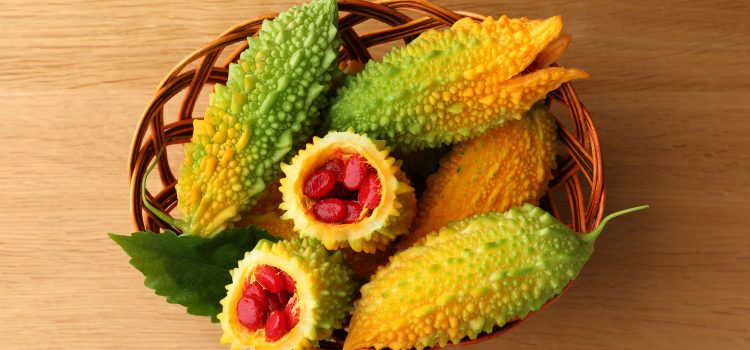
- Bitter Melon (Karela): In 2026, you’ll see two types. The Indian Karela (dark green, very warty) is more bitter and better for frying. The Chinese Bitter Melon (lighter green, smoother) is milder and better for soups.
4. The 2026 “Frozen” Hack
If the fresh price exceeds $16/kg, the math no longer works for a student budget.
- The Alternative: Indian grocery stores stock Deep or Haldiram frozen “Cut Bhindi” and “Sliced Karela” for roughly $4.50 per 400g bag.
- The Benefit: It’s pre-washed, pre-cut, and has zero waste. In winter (July/August), frozen is objectively better value than the “limp” fresh stock at the supermarket.