







1. The “Small Bowl” Economy vs. The $25 Entree
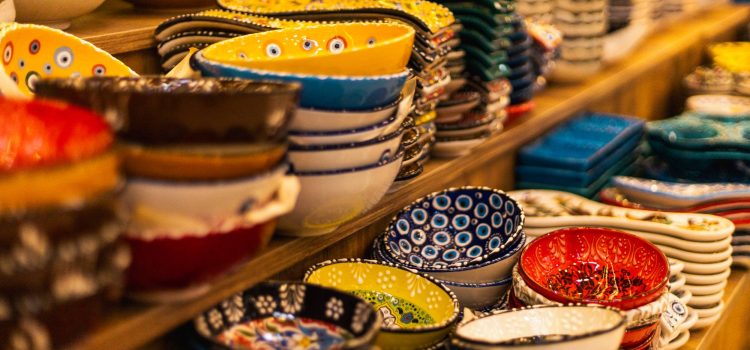
In 2026, the “Appetizer Economy” has officially taken over. Instead of committing to a single $23–$28 main, Haymarket diners are using Small Bowls to build a modular meal.
2. The 2026 Haymarket “Power Players”
These two venues are the epicentre of the small-bowl survival strategy this March.
- Chon Siam (Campbell St): Still the benchmark for the $8.50 “Mini”. In 2026, their broth remains the most authentic—thick, iron-rich, and heavily spiced. For a sub-$10 hit, one small bowl and a side of $3.50 pork crackling is the city’s cheapest “complete” snack.
- Yok Yor (Goulburn St): Their 2026 “Express” model caters to the digital-first crowd. While their individual bowls are slightly higher (~$8.90), their integration with EatClub Earn means you can claw back 10% cashback in dining credit, effectively bringing the price back down to 2024 levels.
3. Strategic “Stacking” for 2026
To truly beat the inflation, 2026 diners are using the “2+1” Rule:
- The Base: Start with two small bowls (one soup, one dry) for roughly $18.00. This covers your primary protein and carb needs.
- The Filler: Add a side of pork crackling or deep-fried wonton skins for $3.50. This adds high-calorie “satiety” without the cost of a third bowl.
- The Drink Hack: Avoid the $6.50 Thai Milk Tea. Most Haymarket institutions still offer free (or $1) iced water/tea—a 2026 rarity that saves you an immediate 25% on your total bill.
4. Why “Small” is the New “Big” in Restaurant Tech
According to 2026 hospitality reports, “Selective Spending” is the year’s biggest trend. By offering smaller, cheaper portions, Haymarket restaurants are maintaining 100% occupancy while other CBD bistros sit empty. For the diner, it’s about agency: you decide if your lunch costs $9, $18, or $27 based on your bank balance that day—not the restaurant’s fixed menu.