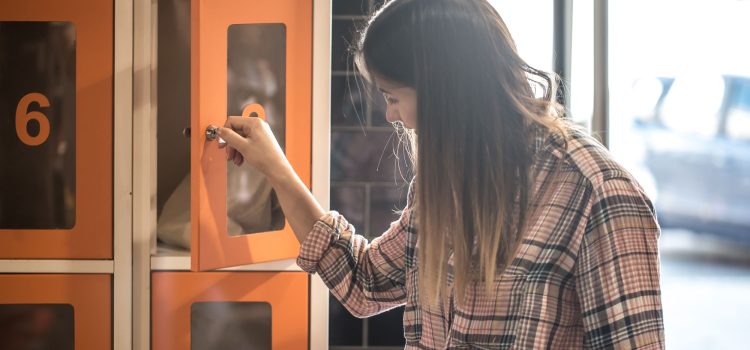
1. The Mechanics of the 24/7 Locker System
The lockers, primarily located at the Kensington and Paddington campuses, function as an automated, discreet extension of the Arc Food Hub.
- How it Works: Students can “order” a curated food pack online via the Arc or UNSW student portal. Once the pack is assembled by volunteers, the student receives a unique code to unlock a designated electronic locker at any time of day or night.
- What’s Inside: Each pack is designed to provide two days’ worth of nutritious meals, typically including pantry staples (pasta, rice, long-life milk), seasonal fruit, and essential hygiene products like toothpaste and soap.
- The “Discretion” Factor: The system is specifically designed to eliminate the “stigma of the queue.” Students can collect their food in total privacy, which has led to a significant increase in usage among vulnerable populations who previously felt uncomfortable visiting the physical Food Hub during business hours.
2. Part of a Three-Pillar Strategy
The food lockers aren’t a standalone project; they are the “Rapid Relief” component of a broader 2026 University Annual Plan that focuses on three areas:
| Pillar | Initiative | 2026 Goal |
| Rapid Relief | Electronic Lockers & Expanded Food Hub | Immediate, 24/7 access to nutrition and hygiene. |
| Skill Building | Chef-Led Cooking Classes | Teaching students to cook $3.00 healthy meals. |
| Systemic Support | Subsidised Canteens & Meal Vouchers | Long-term affordability across all campus retail. |
3. Why This Matters in 2026
With recent data showing that nearly 60% of university students have skipped meals due to financial stress, the “standard” food bank model (open 2 hours a week) is no longer sufficient.
- The International Student Safety Net: Many international students arrive in Sydney with limited knowledge of local food pricing. The lockers, combined with “Supermarket Field Trips” (another 2026 UNSW initiative), provide a vital bridge during their first year.
- Integration with the “Basic Needs Hub”: In 2026, the Food Hub has evolved into a “Basic Needs Hub,” meaning the lockers often dispense more than just food—they are now a source for emergency stationery, power banks, and weather-appropriate clothing (like umbrellas and beanies).