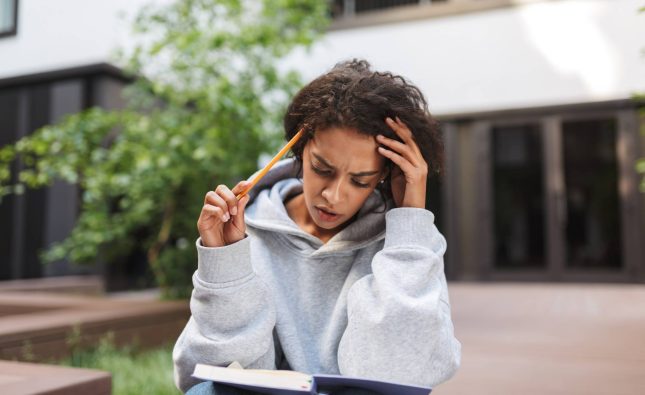









1. Why the “Slump” Hits at Week 6
By the middle of your first semester in 2026, the novelty of “Aussie life” has worn off.
- The Routine Fatigue: The excitement of O-Week is over, assignments are piling up, and the “Servo” runs are no longer a fun adventure—they’re just errands.
- The Sensory Gap: You start to notice the small things—the lack of familiar smells, the different “vibe” of Sunday evenings, and the 10-hour time zone gap making calls home difficult.
- The “Comparison Trap”: Scrolling social media and seeing friends back home together can trigger “FOMO” (Fear Of Missing Out), making the 6-week mark the highest risk period for isolation.
2. 2026 Strategy: The “70/30” Connection Rule
To beat the slump, international education experts in 2026 recommend a balanced social diet:
- 70% Local Immersion: Spend the majority of your time with local students or exploring your new city. Join a Surf Lifesaving Club (many offer free training) or a university Trivia Night—Australians love competition about random facts.
- 30% Cultural Comfort: Dedicate time to your roots. Cook one family recipe a week (visit local Asian or international grocers for authentic ingredients) and keep a “Home Comfort” item like a specific blanket or photo in your room.
3. Decoding “Aussie” Culture in 2026
Culture shock often comes from “misreading” the locals. In 2026, understanding the Aussie “Straightforwardness” is key:
- “No Worries”: Usually means “You’re welcome” or “It’s okay.”
- Directness: Australians are often very direct in communication. Don’t take it as rudeness; it’s a sign of efficiency and honesty.
- Humour: Sarcasm is a national language. If an Aussie “teases” you, it’s often a sign they like you and consider you part of the group.
4. Digital Resilience: The 20-Minute Limit
In 2026, being “too connected” to home can actually worsen homesickness.
- The Tip: Limit your video calls home to 20 minutes. Long, lingering calls can pull you out of your current environment and leave you feeling more lonely afterward.
- The Hack: Schedule calls for your morning (their evening). This way, you have a full day of plans immediately after the call to keep you moving forward.
5. Free 2026 Support Tools
If the slump feels like more than just “missing home,” use these 2026-integrated services:
- TalkCampus / Deakin Wellbeing: Many universities now provide these apps for 24/7 anonymous peer support from other students globally.
- MOST (most.org.au): A free digital mental health service for young people in Australia that offers clinician-supported tools for managing the transition.
- “SafeZone” App: Beyond physical safety, the 2026 SafeZone updates include “Wellbeing Check-ins” that connect you to campus support staff with one tap.
6. Summary: The Slump is a Sign of Growth
Feeling the 6-week slump isn’t a sign that you chose the wrong country; it’s a sign that your brain is working hard to adapt to a massive life change. Most students find that by Week 10, they have established a “Third Place” (a favorite cafe or park) and the slump begins to lift.