








1. The 2026 “AusAlert” System
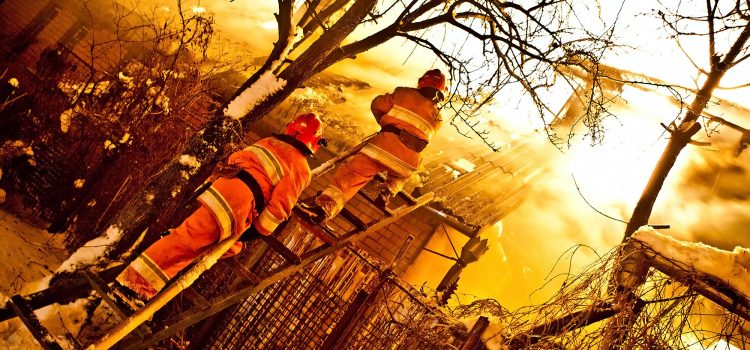
As of 2026, Australia has rolled out AusAlert, a national cell-broadcast system.
- What it does: If there is a life-threatening disaster (like a flash flood or bushfire) in your immediate area, your phone will emit a loud, distinctive siren and display an alert—even if it is on Silent or Do Not Disturb.
- What to do: Do not ignore it. Read the instructions on the screen immediately; they will tell you whether to evacuate, seek shelter, or stay indoors.
2. Calling 000: The Step-by-Step Process
If you are the one reporting an emergency, follow this specific 2026 protocol:
Step A: The Connection
Dial 000. You will hear a recorded message: “You have dialled emergency Triple Zero. Your call is being connected.” ### Step B: The Telstra Operator A Telstra operator will ask: “Emergency. Police, Fire, or Ambulance?”
- State the service you need clearly.
- They may also ask for your State and Suburb to route the call to the correct local dispatch.
Step C: The Dispatcher Questions
Once connected to the specific service (e.g., Ambulance), stay calm and answer these four critical questions:
- “Where is the emergency?” (Give the street name, number, and nearest cross-street).
- “What is the phone number you are calling from?”
- “Tell me exactly what happened.”
- “Is the person conscious and breathing?”
3. Use Tech if You Are Lost
In 2026, you don’t need to know your address to get help.
- Emergency+ App: If you call 000 through this app, it displays your latitude, longitude, and your what3words address (e.g., filled.count.cloud). Read these to the operator so they can find you in a park, beach, or hiking trail.
- GPS Auto-Locate: Modern Australian networks automatically send your approximate “Estimated Location” to the operator, but verbally confirming your location is always faster.
4. The “Silent 55” Protocol
If you are in a situation where it is unsafe to speak (e.g., a home intruder or dangerous person is nearby):
- Dial 000.
- If the operator hears no response, they will transfer you to an automated system.
- Press “55” on your keypad.
- This signals to the operator that you are in danger but cannot speak. The police will then attempt to track your location and send a patrol car.
5. Managing the Cost (OSHC)
- Ambulance Fees: In most Australian states, an ambulance ride can cost over $1,000.
- The Good News: Your mandatory OSHC (Overseas Student Health Cover) includes 100% emergency ambulance cover.
- Pro-Tip: If you receive a bill in the mail later, simply upload a photo of it to your OSHC provider’s app (Allianz, Medibank, etc.) to have it paid.
Emergency Readiness Checklist
- Download the Emergency+ app today.
- Save your OSHC policy number in your phone’s “Medical ID” or “Notes.”
- Program your university’s 24/7 Security number as a favorite.
- Identify the nearest Hospital Emergency Department to your house.