







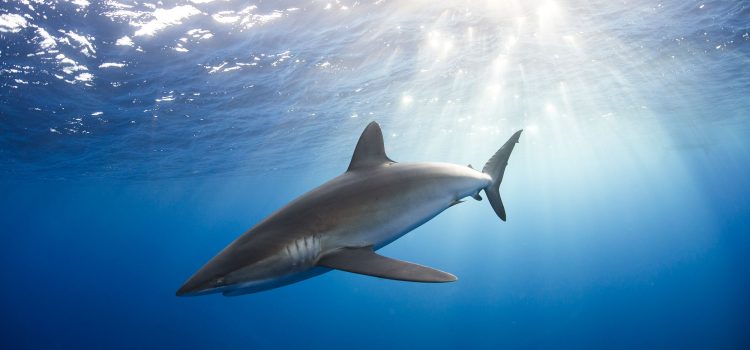
1. The 2026 Fact vs. Fiction Check
The “Jaws” narrative is outdated. Here is what the latest 2026 data actually tells us.
- Fiction: Shark attacks are common.
- Fact: The odds of a fatal encounter in Australia remain roughly 1 in 8 million. In 2025, there were only 21 unprovoked incidents across the entire continent—a tiny fraction of the 500 million annual beach visits.
- Fiction: Sharks hunt humans.
- Fact: Sharks are opportunistic hunters. Most “attacks” are actually investigatory bites; once the shark realizes a human isn’t its usual prey (like a seal or fish), it almost always disengages immediately.
- Fiction: Shark nets are 100% effective.
- Fact: In 2026, many NSW councils are phasing out nets because they don’t stop sharks from swimming around or over them. They are being replaced by SMART Drumlines and Drone Surveillance.
2. The “Rainy Day” Rule (Essential for 2026)
In early 2026, researchers noted a spike in shark activity following heavy storms.
- The Science: Rain washes organic matter and nutrients into river mouths and estuaries, attracting baitfish.
- The Predator: Bull Sharks thrive in murky, brackish water where visibility is low.
- The Advice: Avoid swimming for 48 hours after heavy rain, especially near river mouths, canals, or harbour areas (like Sydney’s Vaucluse or Middle Harbour).
3. 2026 SharkSmart Technology
You don’t have to guess if a shark is nearby. The Australian government has invested $85M into real-time detection for 2026.
- The SharkSmart App: Available on iOS and Android. It sends a push notification to your phone if a tagged shark (Great White, Tiger, or Bull) swims within 500m of a beach listening station.
- Drone Patrols: In 2026, over 80 beaches across NSW and QLD are monitored by “Shark Drones” that can spot movement from above and alert lifesavers instantly.
- Personal Deterrents: If you are a surfer or long-distance swimmer, 2026 research supports Ocean Guardian (Freedom + Surf) as the most effective electronic deterrent, reducing risk by over 60%.
4. The International Student “Safety Six”
- Swim Between the Flags: Lifesavers are trained to spot sharks and will sound a siren/close the beach if one is near.
- Avoid Dawn and Dusk: These are “peak feeding times” when light levels make it harder for sharks to distinguish humans from prey.
- Stay Away from Schools of Fish: If you see birds diving or fish jumping, leave the water. Sharks are likely trailing them.
- No Murky Water: If you can’t see your feet in waist-deep water, it’s too murky.
- Buddy Up: Sharks are less likely to approach groups. Plus, you have someone to help if anything goes wrong.
- Avoid River Mouths: This is the primary territory for Bull Sharks.
5. Summary: 2026 Shark Safety Index
| Risk Factor | 2026 Status | Safety Action |
| Clear, Blue Water | Safe | Perfect for swimming; high visibility. |
| Post-Rain Murk | High Alert | Wait 48 hours before entering. |
| Tagged Shark Near | Immediate Risk | Check your SharkSmart App alerts. |
| Unpatrolled Beach | Variable | No eyes in the sky; use extreme caution. |