








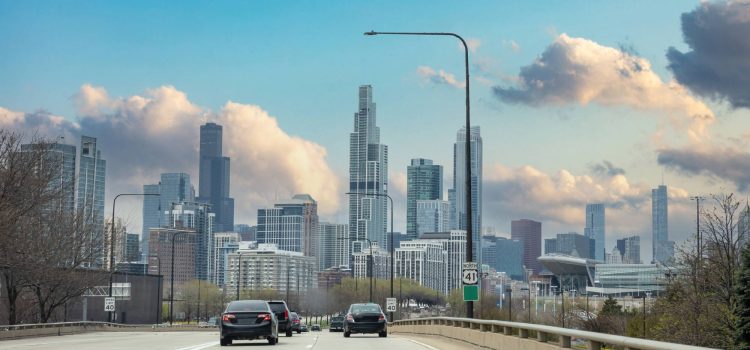
The belief that moving to regional Australia forces you into immediate car ownership is a myth. While many sprawling country towns certainly demand a vehicle, select regional cities have undergone significant urban transformations.
Driven by intentional grid designs, localized transit investments, and dedicated cycling infrastructure, these regional hubs allow residents to live, work, and commute comfortably without the financial burden of registration, insurance, and fuel.
1. Newcastle (New South Wales)
As Australia’s second-oldest city, Newcastle has successfully transitioned from an industrial port into a highly walkable, transit-centric coastal hub.
- The Transit Infrastructure: The city features the integrated Newcastle Transport network, which seamlessly combines an expansive zero-emission bus fleet, a harbor ferry link to Stockton, and a modern, high-frequency light rail line running directly through the heart of the CBD to the beach.
- The Walkability Index: The entire foreshore, cultural precinct, and university city campus are connected by flat, pedestrian-only paths and dedicated bike lanes, making a vehicle completely redundant for inner-city residents.
2. Geelong (Victoria)
Situated just an hour southwest of Melbourne, Geelong is Victoria’s premier car-free regional alternative, offering distinct metropolitan transit connections alongside localized walkability.
- The Transit Infrastructure: The city’s core grid is highly accessible via the CDC Geelong bus network, which snakes through the central suburbs and connects directly to the major healthcare and retail hubs.
- The Commuter Advantage: For those working outside the city, Geelong features multiple active railway stations serviced by frequent, high-speed V/Line trains, allowing a stress-free, car-free commute straight into Melbourne Southern Cross.
3. Wollongong (New South Wales)
Nestled between the Illawarra Escarpment and the Pacific Ocean, Wollongong’s linear geography makes navigating the city without a car incredibly straightforward.
- The Transit Infrastructure: The crown jewel of Wollongong’s car-free accessibility is the Gong Shuttle (Route 55A and 55C)—a completely free, high-frequency bus service linking the university, the innovation campus, the beach, the hospital, and the CBD in a continuous loop.
- The Active Transit Link: A comprehensive, flat coastal cycleway spans the entire length of the metropolitan coast, allowing safe commuter cycling separate from main road traffic.
4. Bendigo (Victoria)
For families and individuals looking for a classic historic inland city, Bendigo stands out due to its compact, gold-rush era urban planning that naturally prioritizes pedestrian movement.
- The Transit Infrastructure: Governed by Public Transport Victoria (PTV), Bendigo runs a synchronized grid of 14 separate local bus routes radiating directly out from the central marketplace and railway station.
- The Compact Layout: Because the city’s major arts precinct, cafes, parks, and retail supermarkets sit huddled inside a centralized radial zone, daily errands can be comfortably handled entirely on foot or via short bicycle commutes.
5. Gold Coast Coastal Strip (Queensland)
While the outer hinterland of the Gold Coast is heavily car-dependent, its extensive coastal strip functions as one of the most transit-oriented corridors in regional Australia.
- The Transit Infrastructure: The iconic G:link light rail network acts as a rapid transit spine, gliding passengers between Helensvale, Southport, Surfers Paradise, and Broadbeach every 7 to 15 minutes.
- The Connectivity Network: The northern end of the light rail links directly with heavy rail lines feeding into the Brisbane CBD, meaning you can travel from a coastal apartment to an international airport gate using nothing but a single Go Card tap.
3. Cost-Benefit Analysis: The Car-Free Savings Matrix
| Expense Category | Average Australian Car Owner | The Regional Car-Free Lifestyle |
| Upfront Layout | High capital depreciation (Loan interest or cash layout). | $0. Funds can be redirected straight into a regional property deposit. |
| Fixed Annual Fees | ~$1,500 – $2,500 (Registration, CTP insurance, and comprehensive cover). | $0. Zero recurring state transport premium penalties. |
| Daily Operational Outlay | High volatility (Weekly fuel costs, city parking rates, and toll fees). | Low, predictable budgeting via state-capped public transit fares and student/concession discounts. |
The Micro-Mobility Rule: When selecting a car-free regional property, ensure your chosen home sits within 800 meters of an active rail line or high-frequency bus corridor. Supplementing your location with an e-bike or e-scooter effectively expands your accessible radius to 5 kilometers, effortlessly unlocking local regional employers, medical networks, and lifestyle spaces without a driver’s license.




Comments
How to Spot Authentic Australian-Made Skincare Products (2026)
How to Spot Authentic Australian-Made Skincare Products (2026)
How to Spot Authentic Australian-Made Skincare Products (2026)
How to Spot Authentic Australian-Made Skincare Products (2026)
How to Spot Authentic Australian-Made Skincare Products (2026)