1. The “Faraday Cage” Effect: Why the Signal Dies
Modern Australian apartments are built to be incredibly energy-efficient, but the same materials that keep the heat out also keep the 5G out.
- Low-E Glass: Most 2026 high-rises use “Low-Emissivity” glass. It has a microscopic metallic coating that reflects heat—and unfortunately, it reflects radio waves just as effectively.
- Reinforced Concrete & Steel: The core of your building acts as a shield. If your apartment is located deep within a complex or near the elevator (the “Concrete Core”), the signal simply cannot penetrate.
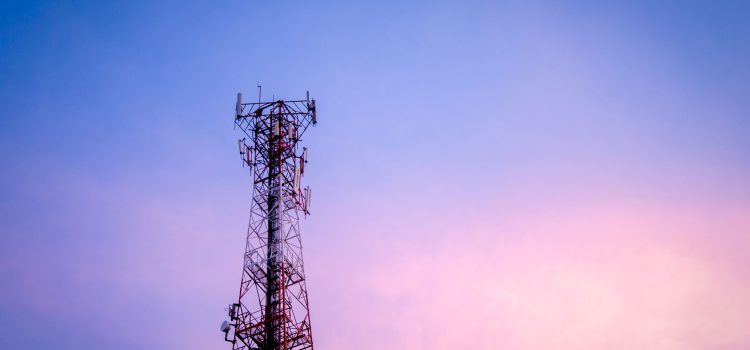
- The “Shadow” Effect: If your window faces away from the nearest cell tower and toward another tall building, you are living in a “signal shadow.”
2. The Instant Fix: Wi-Fi Calling (VoWiFi)
You don’t need a new phone or a signal booster to fix this. In 2026, every major Australian telco (Telstra, Optus, Vodafone) and most budget providers (Felix, amaysim) support Wi-Fi Calling.
- How it works: Your phone uses your home NBN/Fiber Wi-Fi to route your calls and texts to the mobile network.
- How to enable it: * iPhone:Settings > Mobile > Wi-Fi Calling > On.
- Android: Phone App > Settings > Wi-Fi Calling > On.
- The Result: Even with “Zero Bars” of mobile signal, you can make crystal-clear HD calls and receive bank OTPs as long as your Wi-Fi is on.
3. The “Smart” Solution: CEL-FI Boosters
If you have a home office and absolutely need a “real” mobile signal (not just Wi-Fi), you can look into a CEL-FI booster.
- The Law: In Australia, it is illegal to use cheap unbranded signal boosters found on eBay. They can interfere with emergency services and lead to massive fines.
- The 2026 Standard: The CEL-FI GO is the only consumer-grade booster legally approved by Telstra, Optus, and TPG/Vodafone. It captures a tiny bit of signal from a window and amplifies it throughout your apartment.
4. High-Rise “Survival” Tips
- The “Balcony Handshake”: If your phone is struggling to find a signal, step onto the balcony for 30 seconds. This allows the phone to “handshake” with the nearest tower. Often, it will maintain that connection for a short while even after you step back inside.
- Avoid 5G for Voice: In some 2026 high-rises, the 5G signal is “noisy” but the 4G (LTE) signal is stable. Try switching your phone to “4G Only” in your cellular settings; you might find your calls stop dropping.
- Check the “Blackspot” Map: Before signing a lease, use the OpenSignal app to see which carrier has the best “Indoor” rating for that specific street corner.
5. Comparison: Solutions for 2026
| Solution | Cost | Setup Time | Effectiveness |
| Wi-Fi Calling | $0 | 30 Seconds | 10/10 (Reliant on your Wi-Fi) |
| Move to Window | $0 | Instant | 4/10 (Inconvenient) |
| CEL-FI Booster | $800+ | 1 Hour | 9/10 (Professional grade) |
| Switch Carriers | Varies | 15 Minutes | 6/10 (Depends on tower location) |