







1. The Financial Face-Off (Annual Estimates)
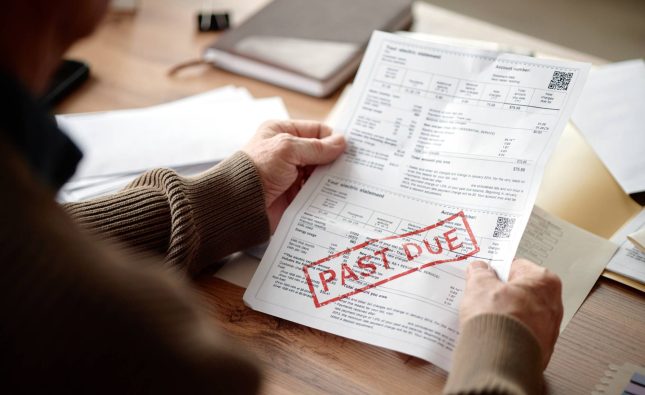
The gap between these two options has widened in 2026 due to the “hidden” costs of registration (Rego) and mandatory insurance.
| Expense Category | Used Car (Owner) | Public Transport (Concession) |
| Initial Cost | $5,000 – $12,000 (Purchase) | $0 |
| Annual “Keep” (Rego/CTP) | $850 – $1,300 | $0 |
| Comprehensive Insurance | $2,000 – $3,800 (Under 25) | $0 |
| Fuel / Fares | $2,400 ($45/week) | $500 – $1,200 |
| Maintenance & Repairs | $1,200 | $0 |
| Parking & Tolls | $500 – $2,000 | $0 |
| TOTAL ANNUAL COST | ~$7,000 – $10,500+ | ~$500 – $1,200 |
2. Public Transport: The 2026 “Value” Winner
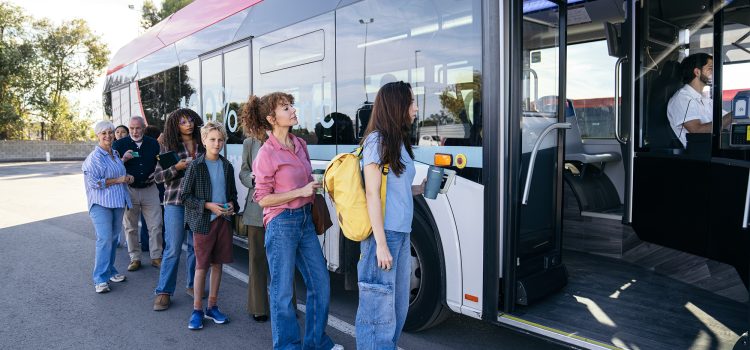
In 2026, Australian states have introduced aggressive student discounts to combat the cost-of-living crisis:
- Victoria: A Student 28-day pass is now only $10 (down from $28.60).
- Queensland: Select 50-cent fares continue to make the “Go Card” the most affordable in the country.
- Western Australia: New fare caps ensure students pay no more than $2.80 per trip using a SmartRider.
The Verdict: If you live in an inner-city suburb (e.g., Carlton in Melbourne, Surry Hills in Sydney), a car is a “liability.” You will spend more time finding parking than driving.
3. The Used Car: When is it Worth it?
Despite the cost, a car is often a “tool for survival” in 2026 for three specific student types:
- The Outer-Suburb Student: If your rent is cheap because you live 40km from campus, public transport might take 90 minutes each way. A car saves you 15 hours a week.
- The Late-Night Worker: If you work in hospitality or nursing and finish at 2:00 AM, public transport is often infrequent or non-existent.
- The Regional Student: In cities like Armidale, Toowoomba, or Geelong, public transport infrastructure is significantly less developed than in the state capitals.
4. 2026 “Hidden” Car Costs to Watch
- The “Under 25” Excess: If you have an accident, your “Standard Excess” might be $800, but insurers add a “Young Driver Excess” of $1,200+. You could pay $2,000 out of pocket for a minor dent.
- Stamp Duty: When you buy a used car for $10,000, you must pay roughly 3%–4% ($300–$400) to the government just to transfer the name.
- The Roadworthy Certificate (RWC): Never buy a car in 2026 without an RWC. If it fails, you could be hit with a $2,000 bill for tires and brakes just to get it registered.
5. The Hybrid Solution
Can’t decide? Many 2026 students use a “Mixed Mode” strategy:
- Public Transport for Uni: Use your concession card for daily commutes.
- Car-Sharing for Errands: Use apps like GoGet or Uber Carshare. You can rent a car for $10/hour only when you need to do a big grocery shop or a weekend trip, avoiding all insurance and rego costs.