








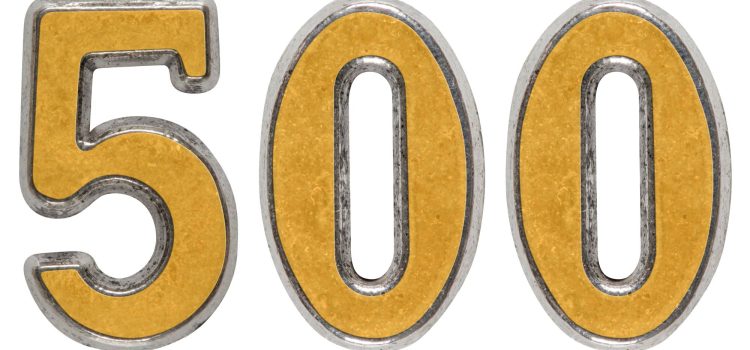
Navigating the transition between visas in Australia can feel like managing moving parts in the dark. A classic example of this is when you apply for a new Student Visa (Subclass 500) while already living in Australia on a separate visa (such as a Subclass 485 Graduate Visa, a 408 Temporary Activity Visa, or a Visitor Visa).
When you submit that onshore Subclass 500 application, the Department of Home Affairs automatically issues you a Bridging Visa A (BVA). But if you have international travel plans before your student visa is officially granted, you must actively apply for a Bridging Visa B (BVB).
Understanding exactly how a BVB “sits in the background” of your pending student visa is the key to traveling safely without ruining your academic or migration goals.
The Dual-Layer Structure: How It Works
A bridging visa acts as a safety net. It ensures you remain a lawful non-citizen when your current “substantive” visa expires, allowing you to stay in the country while Home Affairs processes your Subclass 500 application.
When a BVB is granted, it sits quietly in the background alongside your pending Subclass 500 application.
- The Waiting Phase: If your current visa is still active, your BVB remains dormant. You continue to live, work, and study under the conditions of your existing visa.
- The Activation Phase: The moment your original visa expires, the BVB automatically wakes up and becomes your active visa. It keeps you lawful and grants you a specific travel window to leave and re-enter Australia.
The Golden Rule: A BVB is structurally tied to your pending Subclass 500 application. If your Student Visa application is approved, the bridging visa instantly vanishes. If your student visa is refused, the bridging visa starts a ticking clock (usually 35 days) for you to either appeal or leave the country.
Work and Study Rights: Which Rules Apply?
One of the biggest areas of confusion for international students is determining which work and study limitations they must follow while their BVB is sitting in the background.
Your work and study entitlements on a BVB are a direct reflection of the Bridging Visa A (BVA) that was generated when you first applied for your student visa:
1. The Continuation Rule
In most onshore application scenarios, your bridging visa inherits the conditions of the visa you just held, not the visa you are applying for. For example, if you applied for your Subclass 500 from a Subclass 485 Graduate Visa, your BVB will typically maintain your full, unrestricted work rights until the student visa is decided.
2. The Course Session Trap
Once your Subclass 500 Student Visa is officially granted, you are strictly bound by standard student visa conditions, which restrict work to 48 hours per fortnight when your course is in session. However, while you are waiting on the BVB, you must abide by whatever specific work condition is printed on your BVB grant letter. Always check your Visa Entitlement Verification Online (VEVO) status to avoid accidental visa breaches.
What Happens to Your BVB If You Travel?
The sole purpose of upgrading from a BVA to a BVB is the travel facility.
When Home Affairs approves your BVB, they will specify a strict “travel period” (e.g., 3 months or 6 months). You are legally permitted to exit and re-enter Australia as many times as you like within that window while your Subclass 500 visa processes in the background.
If you are outside Australia and your student visa is approved, your status instantly upgrades to a Student Visa holder, and you can return seamlessly.
However, if you are outside Australia when your BVB travel window expires, the visa lapses entirely. You will be locked out of the country, and your pending Subclass 500 application will be put at severe risk.



Comments
UNSW Off-Campus Accommodation 2026: Suburb Guide & Rent Prices
How a Visitor Visa Impacts Your Residency for Citizenship (2026)
Best Student Mobile Plans Australia 2026: Top 10 Under $30
Contacting Your University International Office: List of Numbers (2026)
Contacting Your University International Office: List of Numbers (2026)