








Completing your immigration health check is a critical checkpoint for an Australian visa application. Whether you are applying for a Student Visa, a Skilled Independent stream, or a Partner Visa, your physical examinations must be processed through an officially approved overseas Panel Physician linked directly to Australia’s secure eMedical system.
Arriving at the clinic missing a mandatory piece of identity verification or clinical paperwork won’t just delay your medical upload; the clinic will legally refuse to conduct your exam. To ensure a smooth, single-visit appointment, your documentation must be meticulously organized.
1. The Core Identity Documents
The Australian Department of Home Affairs enforces a zero-tolerance policy regarding identity verification at approved clinics. The clinic must confidently verify that the individual undergoing blood tests and chest X-rays matches the visa applicant profile.
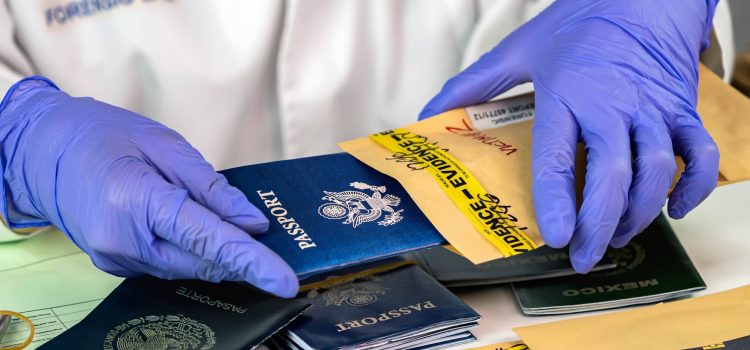
- Primary Valid Passport (Original Format Only): You must bring your physical, original passport. Digital copies, smartphone screenshots, or standard photocopies are strictly unacceptable. The passport must be current and match the exact passport number used to lodge your ImmiAccount application.
- National Identity Card: While preferred as a supplementary ID, some regional clinics require your original national identity card alongside your passport to cross-verify biometric details.
2. Mandatory Immigration Bureaucracy
The medical facility cannot locate your custom profile or upload your diagnostic results to the Australian Government without your unique digital identifiers.
- The eMedical Referral Letter (Health Examination List): When you request or log your health checks via ImmiAccount, the system generates a formal downloadable referral letter. You must print this document out and bring it to the clinic.
- Your Unique HAP ID: Your letter contains a unique barcode and an identification number called a HAP ID. Without this explicit barcode, the panel clinic staff cannot access your case file inside the electronic portal, effectively stalling your appointment.
3. Crucial Clinical and Prescription Footprints
Failing to disclose preexisting conditions can trigger a visa refusal under fraud or non-disclosure clauses. Conversely, disclosing a condition without providing supporting evidence can drag your file into an extended “Referral to MOC” (Medical Officer of the Commonwealth) delay queue.
- Specialist Medical Reports: If you have a known chronic medical condition—such as diabetes, hypertension, cardiac histories, or past surgeries—bring formal diagnostic reports or summaries written by your treating specialist.
- Prescription Medications: Pack an active list or the physical packaging of any long-term prescription medications you take daily.
- Corrective Lenses: If you wear prescription eyeglasses or contact lenses, you must bring them. The panel doctor will conduct a standard visual acuity test, and your vision must be checked while corrected.
- Prior Chest X-Rays: If you have a history of treated lung infections or past inconclusive screenings, bringing your historical chest X-ray films or digital discs can provide necessary context to the panel radiologist, preventing flags for active tuberculosis.
| Item Category | Document Type | Mandatory Status |
| Identity | Original Physical Passport | Strictly Mandatory |
| Immigration | eMedical Referral Letter with Barcoded HAP ID | Strictly Mandatory |
| Vision | Prescription Glasses or Contact Lenses | Mandatory if worn |
| Medical History | Specialist Reports & Current Prescription Details | Mandatory for known conditions |
| Pediatric (Under 10) | Childhood Vaccine / Clinic Card | Highly Recommended |
A Note on Testing Day Protocols:
- No Photos Required: Most modern overseas eMedical clinics capture your biometric facial profile digitally on-site on the morning of your exam, meaning physical passport photos are rarely required unless specified by a rare non-electronic clinic.
- No Fasting Needed: Blood panels (including mandatory HIV testing for adults) and routine urinalysis do not require a fasting state. Eat and drink water normally before your arrival.
- The Menstruation Delay: Female applicants should avoid booking their medical appointment during their menstrual cycle, as blood cells can naturally taint the mandatory urinalysis, triggering an automatic requirement for a repeat test weeks later.




Comments
UNSW Off-Campus Accommodation 2026: Suburb Guide & Rent Prices
How a Visitor Visa Impacts Your Residency for Citizenship (2026)
Best Student Mobile Plans Australia 2026: Top 10 Under $30
Contacting Your University International Office: List of Numbers (2026)
Contacting Your University International Office: List of Numbers (2026)