








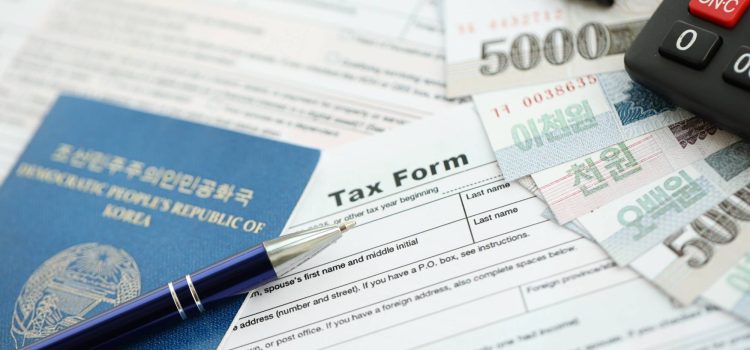
Moving across international borders within a single year introduces unique complexities to immigration filings, tax obligations, and background checks. Whether you relocated for work, studies, or lifestyle changes, government agencies analyze split-year residencies with extreme scrutiny to prevent tax evasion and background gaps.
To ensure your applications cross the desk of immigration officers and tax auditors smoothly, you must precisely track your physical presence and map out multi-jurisdictional compliance requirements.
The Compliance Impact of Split-Year International Living
When you split your physical presence between two nations within a 12-month window, you trigger a chain reaction across automated validation systems. Immigration systems look for gaps in your chronological history, while tax authorities evaluate your physical day-counts.
The assessment matrix below outlines how international compliance sectors analyze your dual-country timeline:
| Compliance Dimension | Immigration & Visa Background Checks | Global Tax Residency & Obligations |
| Primary System Trigger | Address history fields must account for all 365 days with zero overlapping or missing calendar blocks. | Calculated strictly using localized physical presence tests (e.g., the 183-day rule). |
| Critical Threshold | Staying 6 consecutive months (IRCC) or 12 cumulative months (Australia Home Affairs) mandates a background check. | Exceeding 183 days in a single tax year typically shifts you from a non-resident to a tax resident. |
| Mandatory Documentation | Requires a formal Police Clearance Certificate (PCC) from your previous country of residence. | Requires declaring global income or filing for Split-Year Treatment / Double Taxation Treaty relief. |
| Common Processing Trap | Omitting short-term tourist or bridging addresses, which flags an intentional gap during security screening. | Failing to file a final “exit tax return” or dual status return, resulting in double-taxation on the same income source. |
Step-by-Step Guide: Managing Multi-Country Footprints on Government Applications
To prevent administrative delays or sudden auditing flags, you must chronologically lock down your address history and secure the necessary cross-border clearances.
1.Build a Mathematical Timeline of Your International Movements: Chronological Mapping.
Compile a spreadsheet containing your precise entry and exit dates, backed up by physical passport stamps and airline itineraries. Ensure that the departure date from Country A aligns perfectly with your arrival date in Country B to leave zero unexplained gaps.
2.Verify the Consecutive Month Background Check Rule: Immigration Evaluation.
Analyze if your stay in your previous country exceeded the local immigration authority’s background check threshold. For instance, if applying for Canadian PR via Express Entry, verify if you hit the 6-consecutive-month mark, which immediately triggers a mandatory foreign police check requirement.
3.Secure Foreign Clearances Before Leaving Your Current Jurisdiction: PCC Procurement.
Request your Police Clearance Certificate from the police authority of the country you left. If you are already residing in your new home country, immediately initiate this request through that country’s local embassy or consulate to bypass long postal delays.
4.Calculate Your Day Counts to Determine Active Tax Residency Status: Tax Determination.
Run the physical presence calculation for both nations. If a Double Taxation Agreement (DTA) exists between the two countries, utilize the treaty’s “tie-breaker rules” (such as permanent home or center of vital interests) to determine which nation holds primary taxing rights over your global earnings.
The Continuous Stay Pitfall: When evaluating immigration background check guidelines, many applicants confuse cumulative stay with consecutive stay. For example, if you lived in a country for 5 months, took a brief 3-day holiday back to your home country, and returned for another month, immigration systems like Canada’s IRCC consider the continuous chain broken. However, always verify specific country guidelines, as nations like Australia calculate cumulative time over a multi-year lookback window.




Comments
How to Spot Authentic Australian-Made Skincare Products (2026)
Interest-Free Loans for Laptops and Textbooks: A 2026 Guide
How to Spot Authentic Australian-Made Skincare Products (2026)
Bupa Visa Medical Locations: Find a Centre Near You (2026)
How to Attach More Than 60 Documents to ImmiAccount (2026)