








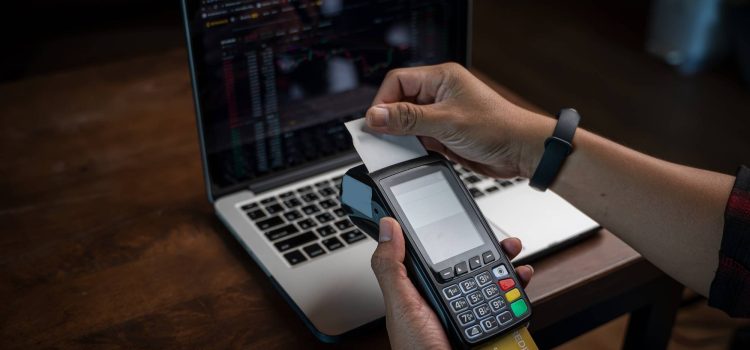
A payment failure while traveling can bring a trip to a grinding halt. Whether caused by an aggressive fraud algorithm freezing your primary account, a card reader timeout at a train terminal, or physical theft, relying on a single financial lifeline leaves you vulnerable.
Creating a “bulletproof” digital wallet infrastructure before you leave the tarmac guarantees you maintain purchasing power, avoid inflated overseas transaction fees, and keep access to emergency liquidity anywhere in the world.
The Multi-Tiered Payment Diversification Architecture
A truly secure financial layout requires separating your physical dependencies from your digital access links. If a picker steals your physical wallet, your phone’s digital processing core should remain completely unaffected.
Constructing the 3-Layer Safety Network
- Layer 1: The Primary Digital Wallet Core (Apple Pay / Google Pay): Your first line of everyday use. Transactions processed through mobile wallets utilize tokenization—a system where your actual 16-digit card number is swapped for a one-time encrypted digital token. This shields your real account infrastructure from card skimming at foreign point-of-sale terminals.
- Layer 2: The Fintech Multi-Currency Buffer (Wise, Revolut, Monzo): A borderless alternative account disconnected from your main savings vault. These apps let you hold balances directly in local currencies (such as Euros, Japanese Yen, or US Dollars), bypassing traditional retail bank foreign exchange (FX) markups while acting as a clear digital secondary reserve.
- Layer 3: The Isolated Physical Fail-safe: A physical credit card running on an alternate transaction network (e.g., if your main card is a Visa, your backup should be a Mastercard) stored separately from your phone and wallet—ideally locked securely in your hotel room safe.
The Cross-Network Vulnerability Matrix
When choosing your travel card infrastructure, stacking cards from the same issuing bank or network creates a dangerous single point of failure. If an identity network goes offline or blocks your profile, all connected assets collapse simultaneously.
| Payment Asset Class | Primary Network Route | Recommended Backup Node | System Failure Recovery Mode |
| Traditional Credit Card | Visa Network (e.g., Chase Sapphire Preferred) | Mastercard Network (e.g., First Direct or Capital One) | If a network-wide processing outage strikes Visa terminals locally, the Mastercard node bypasses the localized blockage. |
| Mobile Wallet Vault | Apple Pay / Google Pay (Linked to a local checking account) | Prepaid Virtual Smart Card (e.g., Getsby or Curve Pay) | If your core bank freezes your card due to a suspected fraud alert, your virtual fintech token continues processing over local wireless rails. |
| Emergency Cash Sourcing | Local ATM Cash Out | App-Based Passport Cash Pickup (Western Union / MoneyGram) | If your physical cards are entirely swallowed or skimmed by an compromised ATM machine, digital money apps allow instant cash pick-ups using only your passport. |
The True Cost of International Card Processing
Using a non-optimized card abroad subjects your balance to compounded processing adjustments. Always ensure your backup layer relies on a card explicitly boasting Zero Foreign Transaction Fees.
Total Transaction Cost = (Purchase Amount x Network Mid-Market Rate) + Foreign Transaction Fee (Typically 3\%) + Local Out-of-Network Operator Fee
The 4-Step Technical Protocol to Initialize Travel Fail-safes
To configure an airtight digital payment system before crossing international borders, execute this technical setup protocol:
1.Log Official Travel Notices via Your Core Mobile Banking Applications: Account Profiling.
Open your primary banking applications at least 48 hours before departure. Navigate to the security tab and complete a Travel Notice. Input your destination countries and exact flight dates. This feeds your target itinerary into the bank’s automated AI threat-detection algorithms, preventing accidental transaction blocks.
2.Generate Independent Virtual Cards Inside Your Digital Wallet: Token Provisioning.
Do not rely on the digital version of your physical card alone. Log into an app like Revolut or Wise and generate a dedicated Virtual Disposable Card. Add this specific token to your Apple or Google Wallet. If an online transit site or local vendor leaks the token details, you can destroy it via the app with one tap without needing to cancel your physical travel card.
3.Migrate Two-Factor Authentication (2FA) Off SMS Delivery: Authentication Hardening.
Many standard banks text a security code to your home cell number whenever a foreign transaction requires verification. If you swap your SIM card for a local travel data card, you will miss these texts and get locked out. Switch your banking verification settings from SMS to App-Based Push Notifications or a secure authenticator app.
4.Download Local Transit Apps and Cache Offline System Access: Offline Preparation.
Many international metro grids (such as London’s TfL or Tokyo’s digital Suica/Pasmo networks) allow you to load digital transit passes straight into your smartphone wallet. Download and fund these regional transit assets while still on home networks, enabling seamless navigation through transit gates even during cellular dead zones.
The Public Wi-Fi Warning: Never open your banking apps, transfer funds between digital accounts, or input credit card digits while connected to unencrypted public airport or hotel Wi-Fi networks. Threat actors easily launch “Man-in-the-Middle” (MitM) attacks on public networks to intercept unencrypted login cookies. Always use cellular data roaming or a verified Virtual Private Network (VPN) to encrypt your session data.




Comments
How to Spot Authentic Australian-Made Skincare Products (2026)
Interest-Free Loans for Laptops and Textbooks: A 2026 Guide
How to Spot Authentic Australian-Made Skincare Products (2026)
Bupa Visa Medical Locations: Find a Centre Near You (2026)
How to Attach More Than 60 Documents to ImmiAccount (2026)