1. The “Zero Survival” Statistic
The most critical takeaway for 2026 is the “Zero vs. 154” rule:
- Between the Flags: In the last year, there were zero coastal drowning deaths at patrolled locations within the Red and Yellow Flags.
- Unpatrolled Areas: There were 154 lives lost at unpatrolled locations—the highest number ever recorded in Australian history.
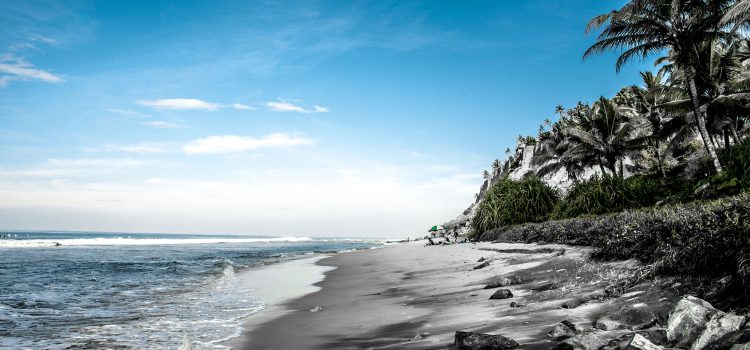
The Reality: At a “secret” beach, if you get caught in a rip, there is no one coming to save you. Even if your friends call 000, the response time for a remote beach can be 20–30 minutes—far longer than most people can stay afloat in a panic.
2. Why Students Fall for the “Secret Beach” Trap
- The “Crowd” Fallacy: On long weekends and public holidays, the risk of drowning triples. Students often seek out quiet, unpatrolled spots to avoid the crowds at Bondi or St Kilda, not realizing those crowds are exactly what keep the beach safe.
- The “Calm Water” Illusion: Many “secret” beaches look calm because they don’t have large breaking waves. In reality, that calm water is often a permanent rip current moving at the speed of an Olympic swimmer.
- Misinterpreted Signs: In 2026, studies found that 80% of some student groups didn’t know the word for “rip current” in their native language or misinterpreted yellow warning signs as general “information” rather than “danger.”
3. Hidden Hazards of Remote Locations
- Zero Mobile Reception: Many “hidden gems” along the Great Ocean Road or the NSW South Coast have dead zones. You cannot call for help if there is no signal.
- Submerged Rocks: Unpatrolled beaches aren’t cleared of debris or surveyed for dangerous underwater rock shelves.
- Marine Pests: At patrolled beaches, lifesavers put out Purple Flags for stingers. At a secret beach, you won’t know they are there until you’re stung.
4. The 2026 “Beach Passport” Hack
If you are new to Australia, do not enter the water until you have completed your Beach Passport.
- What is it? A free, 15-minute online training tool provided by SLSA (available in 7 languages).
- The Benefit: It teaches you how to assess a beach like a local. It covers how to read current 2026 warning signs and how to spot a rip from the shore.
- Where to find it: beachpassport.org.au.
5. Summary: The Golden Rule for 2026
If you arrive at a beach and you do not see Red and Yellow Flags, follow the student mantra for 2026: “No Flags, No Swim.” Take your photos on the sand, enjoy the view, but stay out of the water.