Australia Student & Expat Resource Hub | NammAustralia Australia Student & Expat Resource Hub | NammAustralia

Latest post

Partner Visa and NOICC: Can You Still Apply Onshore?

Partner Visa and NOICC: Can You Still Apply Onshore?

  • Maithili
  • May 27, 2026
Work Experience vs. Vocational Placement: 2026 Legal Differences

Work Experience vs. Vocational Placement: 2026 Legal Differences

  • Aarav
  • May 27, 2026
How to Protect Your PR Pathway After a NOICC

How to Protect Your PR Pathway After a NOICC

  • Sara
  • May 27, 2026

Popular Posts

Top 10 High-Interest Savings Accounts Australia: A Student Guide

Top 10 High-Interest Savings Accounts Australia: A Student Guide (414)

  • Aarav
  • March 6, 2026
Australia Student Visa Refund Policy: Rejection Guide

Australia Student Visa Refund Policy: Rejection Guide (340)

  • Sara
  • March 9, 2026
Regional Australia Postcode List 2026: The “Extra 5 Points” Guide

Regional Australia Postcode List 2026: The “Extra 5 Points” Guide (329)

  • Maithili
  • March 17, 2026
Felix Mobile Review 2026: Is the $20 Unlimited Data Plan Worth It?

Felix Mobile Review 2026: Is the $20 Unlimited Data Plan Worth It? (325)

  • Aarav
  • March 25, 2026
Telstra vs Optus vs Vodafone 2026: Australia’s Best Network Comparison

Telstra vs Optus vs Vodafone 2026: Australia’s Best Network Comparison (315)

  • Maithili
  • March 16, 2026

Stay Connected


Professionally fabricate client-centered content for superior expertise. Objectively leverage others covalent imperatives vis-a-vis state of the art potentialities. Competently matrix

Email: trendymag@domain.com
Phone: 00123 456 789

Popular Posts

Top 10 High-Interest Savings Accounts Australia: A Student Guide

Top 10 High-Interest Savings Accounts Australia: A Student Guide

Australia Student Visa Refund Policy: Rejection Guide

Australia Student Visa Refund Policy: Rejection Guide

Regional Australia Postcode List 2026: The “Extra 5 Points” Guide

Regional Australia Postcode List 2026: The “Extra 5 Points” Guide

Find us on Facebook

Find us on Facebook

Australia Student & Expat Resource Hub | NammAustralia Australia Student & Expat Resource Hub | NammAustralia

Featured
  • Start Here

    1. The "Zero Survival" Statistic

    The most critical takeaway for 2026 is the "Zero vs. 154" rule:

    • Between the Flags: In the last year, there were zero coastal drowning deaths at patrolled locations within the red and yellow flags.
    • Unpatrolled Areas: There were 154 lives lost at unpatrolled locations—the highest number ever recorded in Australian history.

    The Reality: At a "secret" beach, if you get caught in a rip, there is no one coming to save you. Even if your friends call 000, the response time for a remote beach can be 20–30 minutes—far longer than most people can stay afloat in a panic.


    2. Why Students Fall for the "Secret Beach" Trap

    • The "Crowd" Fallacy: On long weekends and public holidays, the risk of drowning triples. Students often seek out quiet, unpatrolled spots to avoid the crowds at Bondi or St Kilda, not realizing those crowds are exactly what keep the beach safe.
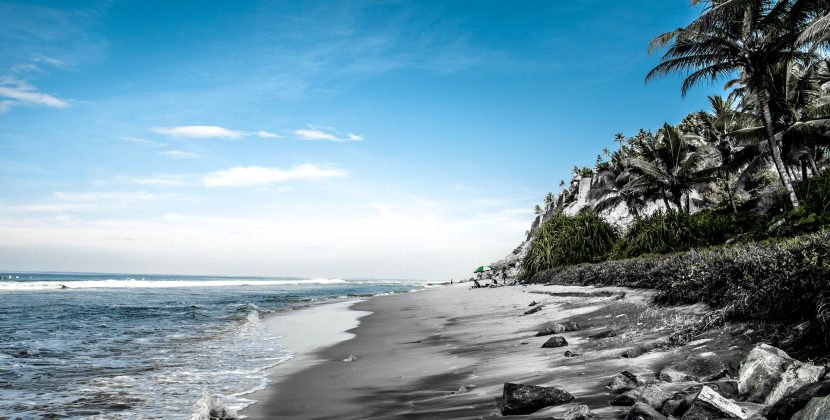
    • The "Calm Water" Illusion: Many "secret" beaches look calm because they don't have large breaking waves. In reality, that calm water is often a permanent rip current moving at the speed of an Olympic swimmer.
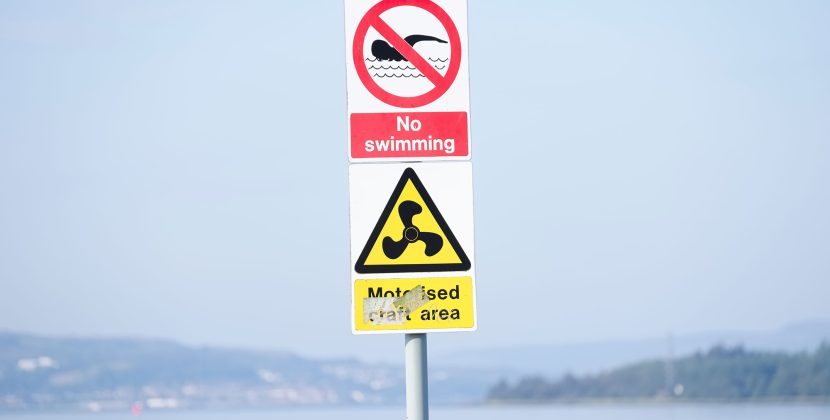
    • Misinterpreted Signs: In 2026, studies found that 80% of some student groups didn't know the word for "rip current" in their native language or misinterpreted yellow warning signs as general "information" rather than "danger."


    3. Hidden Hazards of Remote Locations

    • Zero Mobile Reception: Many "hidden gems" along the Great Ocean Road or the NSW South Coast have dead zones. You cannot call for help if there is no signal.
    • Submerged Rocks: Unpatrolled beaches aren't cleared of debris or surveyed for dangerous underwater rock shelves.
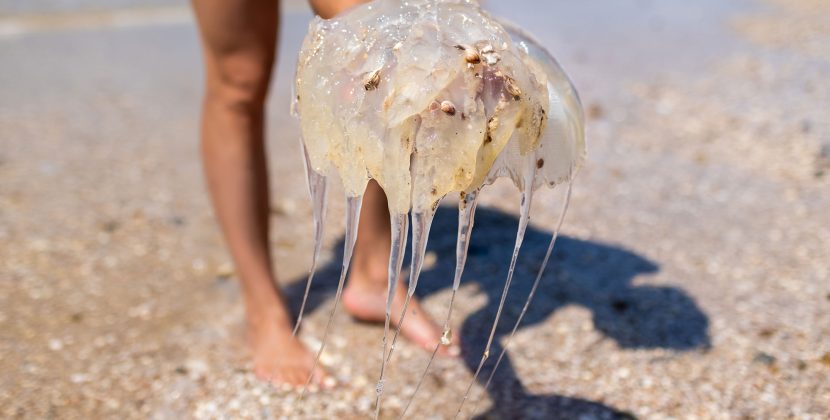
    • Marine Pests: At patrolled beaches, lifesavers put out Purple Flags for stingers. At a secret beach, you won't know they are there until you're stung.


    4. The 2026 "Beach Passport" Hack

    If you are new to Australia, do not enter the water until you have completed your Beach Passport.

    • What is it? A free, 15-minute online training tool provided by SLSA (available in 7 languages).
    • The Benefit: It teaches you how to assess a beach like a local. It covers how to read current 2026 warning signs and how to spot a rip from the shore.
    • Where to find it: beachpassport.org.au.


    5. Summary: The Golden Rule for 2026

    If you arrive at a beach and you do not see Red and Yellow Flags, follow the student mantra for 2026: "No Flags, No Swim." Take your photos on the sand, enjoy the view, but stay out of the water.

  • Study

    1. The "Zero Survival" Statistic

    The most critical takeaway for 2026 is the "Zero vs. 154" rule:

    • Between the Flags: In the last year, there were zero coastal drowning deaths at patrolled locations within the red and yellow flags.
    • Unpatrolled Areas: There were 154 lives lost at unpatrolled locations—the highest number ever recorded in Australian history.

    The Reality: At a "secret" beach, if you get caught in a rip, there is no one coming to save you. Even if your friends call 000, the response time for a remote beach can be 20–30 minutes—far longer than most people can stay afloat in a panic.


    2. Why Students Fall for the "Secret Beach" Trap

    • The "Crowd" Fallacy: On long weekends and public holidays, the risk of drowning triples. Students often seek out quiet, unpatrolled spots to avoid the crowds at Bondi or St Kilda, not realizing those crowds are exactly what keep the beach safe.
    • The "Calm Water" Illusion: Many "secret" beaches look calm because they don't have large breaking waves. In reality, that calm water is often a permanent rip current moving at the speed of an Olympic swimmer.
    • Misinterpreted Signs: In 2026, studies found that 80% of some student groups didn't know the word for "rip current" in their native language or misinterpreted yellow warning signs as general "information" rather than "danger."


    3. Hidden Hazards of Remote Locations

    • Zero Mobile Reception: Many "hidden gems" along the Great Ocean Road or the NSW South Coast have dead zones. You cannot call for help if there is no signal.
    • Submerged Rocks: Unpatrolled beaches aren't cleared of debris or surveyed for dangerous underwater rock shelves.
    • Marine Pests: At patrolled beaches, lifesavers put out Purple Flags for stingers. At a secret beach, you won't know they are there until you're stung.


    4. The 2026 "Beach Passport" Hack

    If you are new to Australia, do not enter the water until you have completed your Beach Passport.

    • What is it? A free, 15-minute online training tool provided by SLSA (available in 7 languages).
    • The Benefit: It teaches you how to assess a beach like a local. It covers how to read current 2026 warning signs and how to spot a rip from the shore.
    • Where to find it: beachpassport.org.au.


    5. Summary: The Golden Rule for 2026

    If you arrive at a beach and you do not see Red and Yellow Flags, follow the student mantra for 2026: "No Flags, No Swim." Take your photos on the sand, enjoy the view, but stay out of the water.

  • Work

    1. The "Zero Survival" Statistic

    The most critical takeaway for 2026 is the "Zero vs. 154" rule:

    • Between the Flags: In the last year, there were zero coastal drowning deaths at patrolled locations within the red and yellow flags.
    • Unpatrolled Areas: There were 154 lives lost at unpatrolled locations—the highest number ever recorded in Australian history.

    The Reality: At a "secret" beach, if you get caught in a rip, there is no one coming to save you. Even if your friends call 000, the response time for a remote beach can be 20–30 minutes—far longer than most people can stay afloat in a panic.


    2. Why Students Fall for the "Secret Beach" Trap

    • The "Crowd" Fallacy: On long weekends and public holidays, the risk of drowning triples. Students often seek out quiet, unpatrolled spots to avoid the crowds at Bondi or St Kilda, not realizing those crowds are exactly what keep the beach safe.
    • The "Calm Water" Illusion: Many "secret" beaches look calm because they don't have large breaking waves. In reality, that calm water is often a permanent rip current moving at the speed of an Olympic swimmer.
    • Misinterpreted Signs: In 2026, studies found that 80% of some student groups didn't know the word for "rip current" in their native language or misinterpreted yellow warning signs as general "information" rather than "danger."


    3. Hidden Hazards of Remote Locations

    • Zero Mobile Reception: Many "hidden gems" along the Great Ocean Road or the NSW South Coast have dead zones. You cannot call for help if there is no signal.
    • Submerged Rocks: Unpatrolled beaches aren't cleared of debris or surveyed for dangerous underwater rock shelves.
    • Marine Pests: At patrolled beaches, lifesavers put out Purple Flags for stingers. At a secret beach, you won't know they are there until you're stung.


    4. The 2026 "Beach Passport" Hack

    If you are new to Australia, do not enter the water until you have completed your Beach Passport.

    • What is it? A free, 15-minute online training tool provided by SLSA (available in 7 languages).
    • The Benefit: It teaches you how to assess a beach like a local. It covers how to read current 2026 warning signs and how to spot a rip from the shore.
    • Where to find it: beachpassport.org.au.


    5. Summary: The Golden Rule for 2026

    If you arrive at a beach and you do not see Red and Yellow Flags, follow the student mantra for 2026: "No Flags, No Swim." Take your photos on the sand, enjoy the view, but stay out of the water.

  • Living in Australia

    1. The "Zero Survival" Statistic

    The most critical takeaway for 2026 is the "Zero vs. 154" rule:

    • Between the Flags: In the last year, there were zero coastal drowning deaths at patrolled locations within the red and yellow flags.
    • Unpatrolled Areas: There were 154 lives lost at unpatrolled locations—the highest number ever recorded in Australian history.

    The Reality: At a "secret" beach, if you get caught in a rip, there is no one coming to save you. Even if your friends call 000, the response time for a remote beach can be 20–30 minutes—far longer than most people can stay afloat in a panic.


    2. Why Students Fall for the "Secret Beach" Trap

    • The "Crowd" Fallacy: On long weekends and public holidays, the risk of drowning triples. Students often seek out quiet, unpatrolled spots to avoid the crowds at Bondi or St Kilda, not realizing those crowds are exactly what keep the beach safe.
    • The "Calm Water" Illusion: Many "secret" beaches look calm because they don't have large breaking waves. In reality, that calm water is often a permanent rip current moving at the speed of an Olympic swimmer.
    • Misinterpreted Signs: In 2026, studies found that 80% of some student groups didn't know the word for "rip current" in their native language or misinterpreted yellow warning signs as general "information" rather than "danger."


    3. Hidden Hazards of Remote Locations

    • Zero Mobile Reception: Many "hidden gems" along the Great Ocean Road or the NSW South Coast have dead zones. You cannot call for help if there is no signal.
    • Submerged Rocks: Unpatrolled beaches aren't cleared of debris or surveyed for dangerous underwater rock shelves.
    • Marine Pests: At patrolled beaches, lifesavers put out Purple Flags for stingers. At a secret beach, you won't know they are there until you're stung.


    4. The 2026 "Beach Passport" Hack

    If you are new to Australia, do not enter the water until you have completed your Beach Passport.

    • What is it? A free, 15-minute online training tool provided by SLSA (available in 7 languages).
    • The Benefit: It teaches you how to assess a beach like a local. It covers how to read current 2026 warning signs and how to spot a rip from the shore.
    • Where to find it: beachpassport.org.au.


    5. Summary: The Golden Rule for 2026

    If you arrive at a beach and you do not see Red and Yellow Flags, follow the student mantra for 2026: "No Flags, No Swim." Take your photos on the sand, enjoy the view, but stay out of the water.

    • Accommodation
    • Banking
    • Food
    • Lifestyle
    • Health & Wellness
  • Travel

    1. The "Zero Survival" Statistic

    The most critical takeaway for 2026 is the "Zero vs. 154" rule:

    • Between the Flags: In the last year, there were zero coastal drowning deaths at patrolled locations within the red and yellow flags.
    • Unpatrolled Areas: There were 154 lives lost at unpatrolled locations—the highest number ever recorded in Australian history.

    The Reality: At a "secret" beach, if you get caught in a rip, there is no one coming to save you. Even if your friends call 000, the response time for a remote beach can be 20–30 minutes—far longer than most people can stay afloat in a panic.


    2. Why Students Fall for the "Secret Beach" Trap

    • The "Crowd" Fallacy: On long weekends and public holidays, the risk of drowning triples. Students often seek out quiet, unpatrolled spots to avoid the crowds at Bondi or St Kilda, not realizing those crowds are exactly what keep the beach safe.
    • The "Calm Water" Illusion: Many "secret" beaches look calm because they don't have large breaking waves. In reality, that calm water is often a permanent rip current moving at the speed of an Olympic swimmer.
    • Misinterpreted Signs: In 2026, studies found that 80% of some student groups didn't know the word for "rip current" in their native language or misinterpreted yellow warning signs as general "information" rather than "danger."


    3. Hidden Hazards of Remote Locations

    • Zero Mobile Reception: Many "hidden gems" along the Great Ocean Road or the NSW South Coast have dead zones. You cannot call for help if there is no signal.
    • Submerged Rocks: Unpatrolled beaches aren't cleared of debris or surveyed for dangerous underwater rock shelves.
    • Marine Pests: At patrolled beaches, lifesavers put out Purple Flags for stingers. At a secret beach, you won't know they are there until you're stung.


    4. The 2026 "Beach Passport" Hack

    If you are new to Australia, do not enter the water until you have completed your Beach Passport.

    • What is it? A free, 15-minute online training tool provided by SLSA (available in 7 languages).
    • The Benefit: It teaches you how to assess a beach like a local. It covers how to read current 2026 warning signs and how to spot a rip from the shore.
    • Where to find it: beachpassport.org.au.


    5. Summary: The Golden Rule for 2026

    If you arrive at a beach and you do not see Red and Yellow Flags, follow the student mantra for 2026: "No Flags, No Swim." Take your photos on the sand, enjoy the view, but stay out of the water.

  • Visa & Immigration

    1. The "Zero Survival" Statistic

    The most critical takeaway for 2026 is the "Zero vs. 154" rule:

    • Between the Flags: In the last year, there were zero coastal drowning deaths at patrolled locations within the red and yellow flags.
    • Unpatrolled Areas: There were 154 lives lost at unpatrolled locations—the highest number ever recorded in Australian history.

    The Reality: At a "secret" beach, if you get caught in a rip, there is no one coming to save you. Even if your friends call 000, the response time for a remote beach can be 20–30 minutes—far longer than most people can stay afloat in a panic.


    2. Why Students Fall for the "Secret Beach" Trap

    • The "Crowd" Fallacy: On long weekends and public holidays, the risk of drowning triples. Students often seek out quiet, unpatrolled spots to avoid the crowds at Bondi or St Kilda, not realizing those crowds are exactly what keep the beach safe.
    • The "Calm Water" Illusion: Many "secret" beaches look calm because they don't have large breaking waves. In reality, that calm water is often a permanent rip current moving at the speed of an Olympic swimmer.
    • Misinterpreted Signs: In 2026, studies found that 80% of some student groups didn't know the word for "rip current" in their native language or misinterpreted yellow warning signs as general "information" rather than "danger."


    3. Hidden Hazards of Remote Locations

    • Zero Mobile Reception: Many "hidden gems" along the Great Ocean Road or the NSW South Coast have dead zones. You cannot call for help if there is no signal.
    • Submerged Rocks: Unpatrolled beaches aren't cleared of debris or surveyed for dangerous underwater rock shelves.
    • Marine Pests: At patrolled beaches, lifesavers put out Purple Flags for stingers. At a secret beach, you won't know they are there until you're stung.


    4. The 2026 "Beach Passport" Hack

    If you are new to Australia, do not enter the water until you have completed your Beach Passport.

    • What is it? A free, 15-minute online training tool provided by SLSA (available in 7 languages).
    • The Benefit: It teaches you how to assess a beach like a local. It covers how to read current 2026 warning signs and how to spot a rip from the shore.
    • Where to find it: beachpassport.org.au.


    5. Summary: The Golden Rule for 2026

    If you arrive at a beach and you do not see Red and Yellow Flags, follow the student mantra for 2026: "No Flags, No Swim." Take your photos on the sand, enjoy the view, but stay out of the water.

    • Family & Partner Visas
    • Permanent Residency (PR)
    • Student Visas
    • Work & Skilled Visas
  • Parents Hub

    1. The "Zero Survival" Statistic

    The most critical takeaway for 2026 is the "Zero vs. 154" rule:

    • Between the Flags: In the last year, there were zero coastal drowning deaths at patrolled locations within the red and yellow flags.
    • Unpatrolled Areas: There were 154 lives lost at unpatrolled locations—the highest number ever recorded in Australian history.

    The Reality: At a "secret" beach, if you get caught in a rip, there is no one coming to save you. Even if your friends call 000, the response time for a remote beach can be 20–30 minutes—far longer than most people can stay afloat in a panic.


    2. Why Students Fall for the "Secret Beach" Trap

    • The "Crowd" Fallacy: On long weekends and public holidays, the risk of drowning triples. Students often seek out quiet, unpatrolled spots to avoid the crowds at Bondi or St Kilda, not realizing those crowds are exactly what keep the beach safe.
    • The "Calm Water" Illusion: Many "secret" beaches look calm because they don't have large breaking waves. In reality, that calm water is often a permanent rip current moving at the speed of an Olympic swimmer.
    • Misinterpreted Signs: In 2026, studies found that 80% of some student groups didn't know the word for "rip current" in their native language or misinterpreted yellow warning signs as general "information" rather than "danger."


    3. Hidden Hazards of Remote Locations

    • Zero Mobile Reception: Many "hidden gems" along the Great Ocean Road or the NSW South Coast have dead zones. You cannot call for help if there is no signal.
    • Submerged Rocks: Unpatrolled beaches aren't cleared of debris or surveyed for dangerous underwater rock shelves.
    • Marine Pests: At patrolled beaches, lifesavers put out Purple Flags for stingers. At a secret beach, you won't know they are there until you're stung.


    4. The 2026 "Beach Passport" Hack

    If you are new to Australia, do not enter the water until you have completed your Beach Passport.

    • What is it? A free, 15-minute online training tool provided by SLSA (available in 7 languages).
    • The Benefit: It teaches you how to assess a beach like a local. It covers how to read current 2026 warning signs and how to spot a rip from the shore.
    • Where to find it: beachpassport.org.au.


    5. Summary: The Golden Rule for 2026

    If you arrive at a beach and you do not see Red and Yellow Flags, follow the student mantra for 2026: "No Flags, No Swim." Take your photos on the sand, enjoy the view, but stay out of the water.

  • Student Hub

    1. The "Zero Survival" Statistic

    The most critical takeaway for 2026 is the "Zero vs. 154" rule:

    • Between the Flags: In the last year, there were zero coastal drowning deaths at patrolled locations within the red and yellow flags.
    • Unpatrolled Areas: There were 154 lives lost at unpatrolled locations—the highest number ever recorded in Australian history.

    The Reality: At a "secret" beach, if you get caught in a rip, there is no one coming to save you. Even if your friends call 000, the response time for a remote beach can be 20–30 minutes—far longer than most people can stay afloat in a panic.


    2. Why Students Fall for the "Secret Beach" Trap

    • The "Crowd" Fallacy: On long weekends and public holidays, the risk of drowning triples. Students often seek out quiet, unpatrolled spots to avoid the crowds at Bondi or St Kilda, not realizing those crowds are exactly what keep the beach safe.
    • The "Calm Water" Illusion: Many "secret" beaches look calm because they don't have large breaking waves. In reality, that calm water is often a permanent rip current moving at the speed of an Olympic swimmer.
    • Misinterpreted Signs: In 2026, studies found that 80% of some student groups didn't know the word for "rip current" in their native language or misinterpreted yellow warning signs as general "information" rather than "danger."


    3. Hidden Hazards of Remote Locations

    • Zero Mobile Reception: Many "hidden gems" along the Great Ocean Road or the NSW South Coast have dead zones. You cannot call for help if there is no signal.
    • Submerged Rocks: Unpatrolled beaches aren't cleared of debris or surveyed for dangerous underwater rock shelves.
    • Marine Pests: At patrolled beaches, lifesavers put out Purple Flags for stingers. At a secret beach, you won't know they are there until you're stung.


    4. The 2026 "Beach Passport" Hack

    If you are new to Australia, do not enter the water until you have completed your Beach Passport.

    • What is it? A free, 15-minute online training tool provided by SLSA (available in 7 languages).
    • The Benefit: It teaches you how to assess a beach like a local. It covers how to read current 2026 warning signs and how to spot a rip from the shore.
    • Where to find it: beachpassport.org.au.


    5. Summary: The Golden Rule for 2026

    If you arrive at a beach and you do not see Red and Yellow Flags, follow the student mantra for 2026: "No Flags, No Swim." Take your photos on the sand, enjoy the view, but stay out of the water.

Category: Lifestyle

  • Home
  • Lifestyle
Why Secret Beaches are Dangerous 2026: The "No Lifeguard" Risk

Why Secret Beaches are Dangerous 2026: The “No Lifeguard” Risk

  • Aarav
  • March 24, 2026
  • 3 min read
  • 44
How to Survive a Rip Current 2026: The Step-by-Step SLSA Guide

How to Survive a Rip Current 2026: The Step-by-Step SLSA Guide

  • Sara
  • March 24, 2026
  • 3 min read
  • 36
How to Spot a Rip Current: The 30-Second Test for Beach Safety

How to Spot a Rip Current: The 30-Second Test for Beach Safety

  • Maithili
  • March 24, 2026
  • 3 min read
  • 41
Australia Beach Safety Guide 2026: Why Red & Yellow Flags Save Lives

Australia Beach Safety Guide 2026: Why Red & Yellow Flags Save Lives

  • Aarav
  • March 24, 2026
  • 3 min read
  • 35
Australia Dining Etiquette 2026: Tipping, Splitting Bills & Mateship

Australia Dining Etiquette 2026: Tipping, Splitting Bills & Mateship

  • Sara
  • March 24, 2026
  • 3 min read
  • 61
BYO Restaurant Guide 2026: Save Money on Drinks When Eating Out

BYO Restaurant Guide 2026: Save Money on Drinks When Eating Out

  • Aarav
  • March 24, 2026
  • 3 min read
  • 37
Kmart Kitchen Essentials 2026: Build a Student Kitchen Under $100

Kmart Kitchen Essentials 2026: Build a Student Kitchen Under $100

  • Aarav
  • March 23, 2026
  • 2 min read
  • 78
Top 10 High-Quality Home Brand Products 2026: The "Never Buy Branded" List

Top 10 High-Quality Home Brand Products 2026: The “Never Buy Branded” List

  • Sara
  • March 23, 2026
  • 3 min read
  • 31
The Yellow Sticker Hunt 2026: Best Markdown Times in Sydney & Melbourne

The Yellow Sticker Hunt 2026: Best Markdown Times in Sydney & Melbourne

  • Maithili
  • March 23, 2026
  • 3 min read
  • 97
Indian, Saudi & UAE Student Clubs Australia 2026: Find Your Tribe

Indian, Saudi & UAE Student Clubs Australia 2026: Find Your Tribe

  • Sara
  • March 23, 2026
  • 4 min read
  • 34
  • Prev.
  • 1
  • 2
  • 3
  • 4
  • 5
  • 6
  • …
  • 8
  • Next

Popular Post

Top 10 High-Interest Savings Accounts Australia: A Student Guide

Top 10 High-Interest Savings Accounts Australia: A Student Guide (414)

  • Aarav
  • March 6, 2026
Australia Student Visa Refund Policy: Rejection Guide

Australia Student Visa Refund Policy: Rejection Guide (340)

  • Sara
  • March 9, 2026
Regional Australia Postcode List 2026: The “Extra 5 Points” Guide

Regional Australia Postcode List 2026: The “Extra 5 Points” Guide (329)

  • Maithili
  • March 17, 2026
Felix Mobile Review 2026: Is the $20 Unlimited Data Plan Worth It?

Felix Mobile Review 2026: Is the $20 Unlimited Data Plan Worth It? (325)

  • Aarav
  • March 25, 2026
Telstra vs Optus vs Vodafone 2026: Australia’s Best Network Comparison

Telstra vs Optus vs Vodafone 2026: Australia’s Best Network Comparison (315)

  • Maithili
  • March 16, 2026

Newsletter

Weather

Dhaka
haze
26℃
humidity: 83%
wind: 2.06 km/h
  • 33℃
    Thu
  • 31℃
    Fri
  • 32℃
    Sat
  • 34℃
    Sun
  • 35℃
    Mon
  • 35℃
    Tue
  • 36℃
    Wed

Retail vs Warehouse Pay: Which Sunday Shift Earns More in 2026?

  • Trent2880
  • 23 May 2026

3 Ways to Prove Genuine Regional Residence While Working Remotely (2026)

  • Allan3603
  • 23 May 2026

Best NDIS Agencies for International Students: Sydney & Melbourne 2026

  • qq222apk
  • 23 May 2026

Best NDIS Agencies for International Students: Sydney & Melbourne 2026

  • up777gamedownload
  • 23 May 2026

Best NDIS Agencies for International Students: Sydney & Melbourne 2026

  • we9game
  • 23 May 2026
Australia Student & Expat Resource Hub | NammAustralia

Nammaustralia is a practical guide for international students moving to Australia. We cover visas, jobs, accommodation, cost of living, and PR pathways with clear, research-based insights for Indian and GCC students.

Disclaimer: The information provided is for general informational purposes only. Please verify details with official sources. We are not liable for decisions made based on this content.

Start Your Journey

  • Pre-Departure Checklist
  • First 48 Hours Guide
  • Student Visa 500 Guide
  • Student Budget 2026
  • TFN Application Guide

Explore by Topic

  • Study in Australia
  • Work in Australia
  • PR & Immigration
  • Accommodation
  • Life in Australia

© 2026 Nammaustralia. All rights reserved.

  • Privacy Policy
  • Disclaimer
  • Terms of Use