


Australia Student & Expat Resource Hub | NammAustralia Australia Student & Expat Resource Hub | NammAustralia

Latest post

Is a Monthly Rideshare Statement an Official Tax Document?

Is a Monthly Rideshare Statement an Official Tax Document?

  • Aarav
  • July 16, 2026
Where to Find Rideshare Gross Earnings Statements for BAS (2026)

Where to Find Rideshare Gross Earnings Statements for BAS (2026)

  • Sara
  • July 16, 2026
How to Download Your Annual Tax Summary from the Uber Driver Dashboard

How to Download Your Annual Tax Summary from the Uber Driver Dashboard

  • Maithili
  • July 16, 2026

Popular Posts

Bringing Your Spouse to Australia 2026: Dependent Visa & Work Rights

Bringing Your Spouse to Australia 2026: Dependent Visa & Work Rights (1214)

  • Sara
  • March 5, 2026
Regional Australia Postcode List 2026: The “Extra 5 Points” Guide

Regional Australia Postcode List 2026: The “Extra 5 Points” Guide (829)

  • Maithili
  • March 17, 2026
Top 10 High-Interest Savings Accounts Australia: A Student Guide

Top 10 High-Interest Savings Accounts Australia: A Student Guide (739)

  • Aarav
  • March 6, 2026
Telstra vs Optus vs Vodafone 2026: Australia’s Best Network Comparison

Telstra vs Optus vs Vodafone 2026: Australia’s Best Network Comparison (719)

  • Maithili
  • March 16, 2026
Australia Student Visa Refund Policy: Rejection Guide

Australia Student Visa Refund Policy: Rejection Guide (631)

  • Sara
  • March 9, 2026

Stay Connected


Professionally fabricate client-centered content for superior expertise. Objectively leverage others covalent imperatives vis-a-vis state of the art potentialities. Competently matrix

Email: trendymag@domain.com
Phone: 00123 456 789

Popular Posts

Bringing Your Spouse to Australia 2026: Dependent Visa & Work Rights

Bringing Your Spouse to Australia 2026: Dependent Visa & Work Rights

Regional Australia Postcode List 2026: The “Extra 5 Points” Guide

Regional Australia Postcode List 2026: The “Extra 5 Points” Guide

Top 10 High-Interest Savings Accounts Australia: A Student Guide

Top 10 High-Interest Savings Accounts Australia: A Student Guide

Find us on Facebook

Find us on Facebook

Australia Student & Expat Resource Hub | NammAustralia Australia Student & Expat Resource Hub | NammAustralia

Featured
  • Start Here

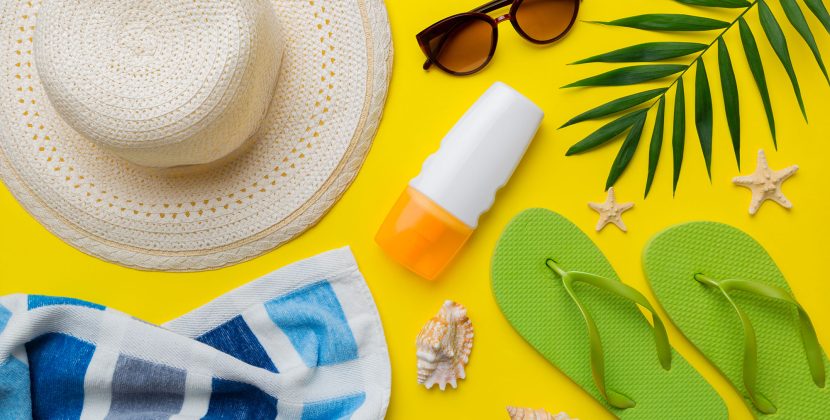
    1. Slip on Sun-Protective Clothing

    In 2026, "Sliding" into a regular T-shirt isn't always enough. UV rays can penetrate loosely woven fabrics.

    • The 2026 Standard: Look for clothing with a UPF 50+ rating. This means the fabric allows only $1/50$th of the sun's UV radiation to reach your skin.
    • Coverage Matters: Choose designs that cover the shoulders and arms. In 2026, "tech-fabrics" are popular—they are lightweight, breathable, and provide maximum coverage without causing overheating.


    2. Slop on SPF 50+ Sunscreen

    Sunscreen is your second line of defense, but most people apply it incorrectly.

    • The "Seven Teaspoon" Rule: You need approximately 35ml (seven teaspoons) for a full-body application: one for the head/neck, one for each limb, one for the front, and one for the back.
    • The 20-Minute Window: Apply sunscreen 20 minutes before going outside so it can bind to your skin.
    • Reapplication: In 2026, the rule is strict: reapply every two hours, or immediately after swimming, sweating, or towel-drying.


    3. Slap on a Hat

    Not all hats are created equal. In 2026, the "baseball cap" is officially discouraged by health experts because it leaves the ears and back of the neck—common sites for skin cancer—exposed.

    • The Best Choices: A broad-brimmed hat (at least 7.5cm brim), a bucket hat with a deep crown, or a legionnaire-style hat provide the best protection for your face, head, neck, and ears.


    4. Seek Shade

    Shade can reduce your overall UV exposure by up to 75%.

    • The Reflection Warning: In 2026, SunSmart campaigns emphasize that UV rays reflect off sand, water, and even concrete. Always use shade in combination with the other four steps.
    • Peak Times: Between 10 AM and 3 PM (or 11 AM – 3 PM during daylight savings), the sun is directly overhead, making shade your most critical asset.


    5. Slide on Sunglasses

    Your eyes can be sunburned too (photokeratitis), leading to cataracts and skin cancer on the eyelids.

    • Australian Standards: Ensure your glasses meet AS/NZS 1067.
    • Design: Choose close-fitting, wrap-around styles to stop UV rays from "leaking" in through the sides.


    2026 SunSmart Tool: The Global UV App

    The best way to manage these five steps in 2026 is the SunSmart Global UV App.

    • Live Alerts: It sends a notification to your phone the moment the UV Index in your current location hits 3.
    • Sunscreen Calculator: It tells you exactly how much sunscreen to apply based on your height, weight, and clothing.
    • Multilingual: As of 2026, the app is available in nine languages, including Arabic, Chinese, and Hindi, to support Australia’s diverse community.


    Quick Summary: The 2026 Protocol

    StepActionPro-Tip for 2026
    SlipClothingBuy UPF 50+ rated gear.
    SlopSunscreenUse a full 35ml and reapply every 2 hours.
    SlapHatSkip the cap; go for a broad-brim.
    SeekShadeIf your shadow is shorter than you, get under a tree.
    SlideSunglassesEnsure they are "Wrap-around" to protect eye corners.
  • Study

    1. Slip on Sun-Protective Clothing

    In 2026, "Sliding" into a regular T-shirt isn't always enough. UV rays can penetrate loosely woven fabrics.

    • The 2026 Standard: Look for clothing with a UPF 50+ rating. This means the fabric allows only $1/50$th of the sun's UV radiation to reach your skin.
    • Coverage Matters: Choose designs that cover the shoulders and arms. In 2026, "tech-fabrics" are popular—they are lightweight, breathable, and provide maximum coverage without causing overheating.


    2. Slop on SPF 50+ Sunscreen

    Sunscreen is your second line of defense, but most people apply it incorrectly.

    • The "Seven Teaspoon" Rule: You need approximately 35ml (seven teaspoons) for a full-body application: one for the head/neck, one for each limb, one for the front, and one for the back.
    • The 20-Minute Window: Apply sunscreen 20 minutes before going outside so it can bind to your skin.
    • Reapplication: In 2026, the rule is strict: reapply every two hours, or immediately after swimming, sweating, or towel-drying.


    3. Slap on a Hat

    Not all hats are created equal. In 2026, the "baseball cap" is officially discouraged by health experts because it leaves the ears and back of the neck—common sites for skin cancer—exposed.

    • The Best Choices: A broad-brimmed hat (at least 7.5cm brim), a bucket hat with a deep crown, or a legionnaire-style hat provide the best protection for your face, head, neck, and ears.


    4. Seek Shade

    Shade can reduce your overall UV exposure by up to 75%.

    • The Reflection Warning: In 2026, SunSmart campaigns emphasize that UV rays reflect off sand, water, and even concrete. Always use shade in combination with the other four steps.
    • Peak Times: Between 10 AM and 3 PM (or 11 AM – 3 PM during daylight savings), the sun is directly overhead, making shade your most critical asset.


    5. Slide on Sunglasses

    Your eyes can be sunburned too (photokeratitis), leading to cataracts and skin cancer on the eyelids.

    • Australian Standards: Ensure your glasses meet AS/NZS 1067.
    • Design: Choose close-fitting, wrap-around styles to stop UV rays from "leaking" in through the sides.


    2026 SunSmart Tool: The Global UV App

    The best way to manage these five steps in 2026 is the SunSmart Global UV App.

    • Live Alerts: It sends a notification to your phone the moment the UV Index in your current location hits 3.
    • Sunscreen Calculator: It tells you exactly how much sunscreen to apply based on your height, weight, and clothing.
    • Multilingual: As of 2026, the app is available in nine languages, including Arabic, Chinese, and Hindi, to support Australia’s diverse community.


    Quick Summary: The 2026 Protocol

    StepActionPro-Tip for 2026
    SlipClothingBuy UPF 50+ rated gear.
    SlopSunscreenUse a full 35ml and reapply every 2 hours.
    SlapHatSkip the cap; go for a broad-brim.
    SeekShadeIf your shadow is shorter than you, get under a tree.
    SlideSunglassesEnsure they are "Wrap-around" to protect eye corners.
  • Work

    1. Slip on Sun-Protective Clothing

    In 2026, "Sliding" into a regular T-shirt isn't always enough. UV rays can penetrate loosely woven fabrics.

    • The 2026 Standard: Look for clothing with a UPF 50+ rating. This means the fabric allows only $1/50$th of the sun's UV radiation to reach your skin.
    • Coverage Matters: Choose designs that cover the shoulders and arms. In 2026, "tech-fabrics" are popular—they are lightweight, breathable, and provide maximum coverage without causing overheating.


    2. Slop on SPF 50+ Sunscreen

    Sunscreen is your second line of defense, but most people apply it incorrectly.

    • The "Seven Teaspoon" Rule: You need approximately 35ml (seven teaspoons) for a full-body application: one for the head/neck, one for each limb, one for the front, and one for the back.
    • The 20-Minute Window: Apply sunscreen 20 minutes before going outside so it can bind to your skin.
    • Reapplication: In 2026, the rule is strict: reapply every two hours, or immediately after swimming, sweating, or towel-drying.


    3. Slap on a Hat

    Not all hats are created equal. In 2026, the "baseball cap" is officially discouraged by health experts because it leaves the ears and back of the neck—common sites for skin cancer—exposed.

    • The Best Choices: A broad-brimmed hat (at least 7.5cm brim), a bucket hat with a deep crown, or a legionnaire-style hat provide the best protection for your face, head, neck, and ears.


    4. Seek Shade

    Shade can reduce your overall UV exposure by up to 75%.

    • The Reflection Warning: In 2026, SunSmart campaigns emphasize that UV rays reflect off sand, water, and even concrete. Always use shade in combination with the other four steps.
    • Peak Times: Between 10 AM and 3 PM (or 11 AM – 3 PM during daylight savings), the sun is directly overhead, making shade your most critical asset.


    5. Slide on Sunglasses

    Your eyes can be sunburned too (photokeratitis), leading to cataracts and skin cancer on the eyelids.

    • Australian Standards: Ensure your glasses meet AS/NZS 1067.
    • Design: Choose close-fitting, wrap-around styles to stop UV rays from "leaking" in through the sides.


    2026 SunSmart Tool: The Global UV App

    The best way to manage these five steps in 2026 is the SunSmart Global UV App.

    • Live Alerts: It sends a notification to your phone the moment the UV Index in your current location hits 3.
    • Sunscreen Calculator: It tells you exactly how much sunscreen to apply based on your height, weight, and clothing.
    • Multilingual: As of 2026, the app is available in nine languages, including Arabic, Chinese, and Hindi, to support Australia’s diverse community.


    Quick Summary: The 2026 Protocol

    StepActionPro-Tip for 2026
    SlipClothingBuy UPF 50+ rated gear.
    SlopSunscreenUse a full 35ml and reapply every 2 hours.
    SlapHatSkip the cap; go for a broad-brim.
    SeekShadeIf your shadow is shorter than you, get under a tree.
    SlideSunglassesEnsure they are "Wrap-around" to protect eye corners.
  • Living in Australia

    1. Slip on Sun-Protective Clothing

    In 2026, "Sliding" into a regular T-shirt isn't always enough. UV rays can penetrate loosely woven fabrics.

    • The 2026 Standard: Look for clothing with a UPF 50+ rating. This means the fabric allows only $1/50$th of the sun's UV radiation to reach your skin.
    • Coverage Matters: Choose designs that cover the shoulders and arms. In 2026, "tech-fabrics" are popular—they are lightweight, breathable, and provide maximum coverage without causing overheating.


    2. Slop on SPF 50+ Sunscreen

    Sunscreen is your second line of defense, but most people apply it incorrectly.

    • The "Seven Teaspoon" Rule: You need approximately 35ml (seven teaspoons) for a full-body application: one for the head/neck, one for each limb, one for the front, and one for the back.
    • The 20-Minute Window: Apply sunscreen 20 minutes before going outside so it can bind to your skin.
    • Reapplication: In 2026, the rule is strict: reapply every two hours, or immediately after swimming, sweating, or towel-drying.


    3. Slap on a Hat

    Not all hats are created equal. In 2026, the "baseball cap" is officially discouraged by health experts because it leaves the ears and back of the neck—common sites for skin cancer—exposed.

    • The Best Choices: A broad-brimmed hat (at least 7.5cm brim), a bucket hat with a deep crown, or a legionnaire-style hat provide the best protection for your face, head, neck, and ears.


    4. Seek Shade

    Shade can reduce your overall UV exposure by up to 75%.

    • The Reflection Warning: In 2026, SunSmart campaigns emphasize that UV rays reflect off sand, water, and even concrete. Always use shade in combination with the other four steps.
    • Peak Times: Between 10 AM and 3 PM (or 11 AM – 3 PM during daylight savings), the sun is directly overhead, making shade your most critical asset.


    5. Slide on Sunglasses

    Your eyes can be sunburned too (photokeratitis), leading to cataracts and skin cancer on the eyelids.

    • Australian Standards: Ensure your glasses meet AS/NZS 1067.
    • Design: Choose close-fitting, wrap-around styles to stop UV rays from "leaking" in through the sides.


    2026 SunSmart Tool: The Global UV App

    The best way to manage these five steps in 2026 is the SunSmart Global UV App.

    • Live Alerts: It sends a notification to your phone the moment the UV Index in your current location hits 3.
    • Sunscreen Calculator: It tells you exactly how much sunscreen to apply based on your height, weight, and clothing.
    • Multilingual: As of 2026, the app is available in nine languages, including Arabic, Chinese, and Hindi, to support Australia’s diverse community.


    Quick Summary: The 2026 Protocol

    StepActionPro-Tip for 2026
    SlipClothingBuy UPF 50+ rated gear.
    SlopSunscreenUse a full 35ml and reapply every 2 hours.
    SlapHatSkip the cap; go for a broad-brim.
    SeekShadeIf your shadow is shorter than you, get under a tree.
    SlideSunglassesEnsure they are "Wrap-around" to protect eye corners.
    • Accommodation
    • Banking
    • Food
    • Lifestyle
    • Health & Wellness
  • Travel

    1. Slip on Sun-Protective Clothing

    In 2026, "Sliding" into a regular T-shirt isn't always enough. UV rays can penetrate loosely woven fabrics.

    • The 2026 Standard: Look for clothing with a UPF 50+ rating. This means the fabric allows only $1/50$th of the sun's UV radiation to reach your skin.
    • Coverage Matters: Choose designs that cover the shoulders and arms. In 2026, "tech-fabrics" are popular—they are lightweight, breathable, and provide maximum coverage without causing overheating.


    2. Slop on SPF 50+ Sunscreen

    Sunscreen is your second line of defense, but most people apply it incorrectly.

    • The "Seven Teaspoon" Rule: You need approximately 35ml (seven teaspoons) for a full-body application: one for the head/neck, one for each limb, one for the front, and one for the back.
    • The 20-Minute Window: Apply sunscreen 20 minutes before going outside so it can bind to your skin.
    • Reapplication: In 2026, the rule is strict: reapply every two hours, or immediately after swimming, sweating, or towel-drying.


    3. Slap on a Hat

    Not all hats are created equal. In 2026, the "baseball cap" is officially discouraged by health experts because it leaves the ears and back of the neck—common sites for skin cancer—exposed.

    • The Best Choices: A broad-brimmed hat (at least 7.5cm brim), a bucket hat with a deep crown, or a legionnaire-style hat provide the best protection for your face, head, neck, and ears.


    4. Seek Shade

    Shade can reduce your overall UV exposure by up to 75%.

    • The Reflection Warning: In 2026, SunSmart campaigns emphasize that UV rays reflect off sand, water, and even concrete. Always use shade in combination with the other four steps.
    • Peak Times: Between 10 AM and 3 PM (or 11 AM – 3 PM during daylight savings), the sun is directly overhead, making shade your most critical asset.


    5. Slide on Sunglasses

    Your eyes can be sunburned too (photokeratitis), leading to cataracts and skin cancer on the eyelids.

    • Australian Standards: Ensure your glasses meet AS/NZS 1067.
    • Design: Choose close-fitting, wrap-around styles to stop UV rays from "leaking" in through the sides.


    2026 SunSmart Tool: The Global UV App

    The best way to manage these five steps in 2026 is the SunSmart Global UV App.

    • Live Alerts: It sends a notification to your phone the moment the UV Index in your current location hits 3.
    • Sunscreen Calculator: It tells you exactly how much sunscreen to apply based on your height, weight, and clothing.
    • Multilingual: As of 2026, the app is available in nine languages, including Arabic, Chinese, and Hindi, to support Australia’s diverse community.


    Quick Summary: The 2026 Protocol

    StepActionPro-Tip for 2026
    SlipClothingBuy UPF 50+ rated gear.
    SlopSunscreenUse a full 35ml and reapply every 2 hours.
    SlapHatSkip the cap; go for a broad-brim.
    SeekShadeIf your shadow is shorter than you, get under a tree.
    SlideSunglassesEnsure they are "Wrap-around" to protect eye corners.
  • Visa & Immigration

    1. Slip on Sun-Protective Clothing

    In 2026, "Sliding" into a regular T-shirt isn't always enough. UV rays can penetrate loosely woven fabrics.

    • The 2026 Standard: Look for clothing with a UPF 50+ rating. This means the fabric allows only $1/50$th of the sun's UV radiation to reach your skin.
    • Coverage Matters: Choose designs that cover the shoulders and arms. In 2026, "tech-fabrics" are popular—they are lightweight, breathable, and provide maximum coverage without causing overheating.


    2. Slop on SPF 50+ Sunscreen

    Sunscreen is your second line of defense, but most people apply it incorrectly.

    • The "Seven Teaspoon" Rule: You need approximately 35ml (seven teaspoons) for a full-body application: one for the head/neck, one for each limb, one for the front, and one for the back.
    • The 20-Minute Window: Apply sunscreen 20 minutes before going outside so it can bind to your skin.
    • Reapplication: In 2026, the rule is strict: reapply every two hours, or immediately after swimming, sweating, or towel-drying.


    3. Slap on a Hat

    Not all hats are created equal. In 2026, the "baseball cap" is officially discouraged by health experts because it leaves the ears and back of the neck—common sites for skin cancer—exposed.

    • The Best Choices: A broad-brimmed hat (at least 7.5cm brim), a bucket hat with a deep crown, or a legionnaire-style hat provide the best protection for your face, head, neck, and ears.


    4. Seek Shade

    Shade can reduce your overall UV exposure by up to 75%.

    • The Reflection Warning: In 2026, SunSmart campaigns emphasize that UV rays reflect off sand, water, and even concrete. Always use shade in combination with the other four steps.
    • Peak Times: Between 10 AM and 3 PM (or 11 AM – 3 PM during daylight savings), the sun is directly overhead, making shade your most critical asset.


    5. Slide on Sunglasses

    Your eyes can be sunburned too (photokeratitis), leading to cataracts and skin cancer on the eyelids.

    • Australian Standards: Ensure your glasses meet AS/NZS 1067.
    • Design: Choose close-fitting, wrap-around styles to stop UV rays from "leaking" in through the sides.


    2026 SunSmart Tool: The Global UV App

    The best way to manage these five steps in 2026 is the SunSmart Global UV App.

    • Live Alerts: It sends a notification to your phone the moment the UV Index in your current location hits 3.
    • Sunscreen Calculator: It tells you exactly how much sunscreen to apply based on your height, weight, and clothing.
    • Multilingual: As of 2026, the app is available in nine languages, including Arabic, Chinese, and Hindi, to support Australia’s diverse community.


    Quick Summary: The 2026 Protocol

    StepActionPro-Tip for 2026
    SlipClothingBuy UPF 50+ rated gear.
    SlopSunscreenUse a full 35ml and reapply every 2 hours.
    SlapHatSkip the cap; go for a broad-brim.
    SeekShadeIf your shadow is shorter than you, get under a tree.
    SlideSunglassesEnsure they are "Wrap-around" to protect eye corners.
    • Family & Partner Visas
    • Permanent Residency (PR)
    • Student Visas
    • Work & Skilled Visas
  • Parents Hub

    1. Slip on Sun-Protective Clothing

    In 2026, "Sliding" into a regular T-shirt isn't always enough. UV rays can penetrate loosely woven fabrics.

    • The 2026 Standard: Look for clothing with a UPF 50+ rating. This means the fabric allows only $1/50$th of the sun's UV radiation to reach your skin.
    • Coverage Matters: Choose designs that cover the shoulders and arms. In 2026, "tech-fabrics" are popular—they are lightweight, breathable, and provide maximum coverage without causing overheating.


    2. Slop on SPF 50+ Sunscreen

    Sunscreen is your second line of defense, but most people apply it incorrectly.

    • The "Seven Teaspoon" Rule: You need approximately 35ml (seven teaspoons) for a full-body application: one for the head/neck, one for each limb, one for the front, and one for the back.
    • The 20-Minute Window: Apply sunscreen 20 minutes before going outside so it can bind to your skin.
    • Reapplication: In 2026, the rule is strict: reapply every two hours, or immediately after swimming, sweating, or towel-drying.


    3. Slap on a Hat

    Not all hats are created equal. In 2026, the "baseball cap" is officially discouraged by health experts because it leaves the ears and back of the neck—common sites for skin cancer—exposed.

    • The Best Choices: A broad-brimmed hat (at least 7.5cm brim), a bucket hat with a deep crown, or a legionnaire-style hat provide the best protection for your face, head, neck, and ears.


    4. Seek Shade

    Shade can reduce your overall UV exposure by up to 75%.

    • The Reflection Warning: In 2026, SunSmart campaigns emphasize that UV rays reflect off sand, water, and even concrete. Always use shade in combination with the other four steps.
    • Peak Times: Between 10 AM and 3 PM (or 11 AM – 3 PM during daylight savings), the sun is directly overhead, making shade your most critical asset.


    5. Slide on Sunglasses

    Your eyes can be sunburned too (photokeratitis), leading to cataracts and skin cancer on the eyelids.

    • Australian Standards: Ensure your glasses meet AS/NZS 1067.
    • Design: Choose close-fitting, wrap-around styles to stop UV rays from "leaking" in through the sides.


    2026 SunSmart Tool: The Global UV App

    The best way to manage these five steps in 2026 is the SunSmart Global UV App.

    • Live Alerts: It sends a notification to your phone the moment the UV Index in your current location hits 3.
    • Sunscreen Calculator: It tells you exactly how much sunscreen to apply based on your height, weight, and clothing.
    • Multilingual: As of 2026, the app is available in nine languages, including Arabic, Chinese, and Hindi, to support Australia’s diverse community.


    Quick Summary: The 2026 Protocol

    StepActionPro-Tip for 2026
    SlipClothingBuy UPF 50+ rated gear.
    SlopSunscreenUse a full 35ml and reapply every 2 hours.
    SlapHatSkip the cap; go for a broad-brim.
    SeekShadeIf your shadow is shorter than you, get under a tree.
    SlideSunglassesEnsure they are "Wrap-around" to protect eye corners.
  • Student Hub

    1. Slip on Sun-Protective Clothing

    In 2026, "Sliding" into a regular T-shirt isn't always enough. UV rays can penetrate loosely woven fabrics.

    • The 2026 Standard: Look for clothing with a UPF 50+ rating. This means the fabric allows only $1/50$th of the sun's UV radiation to reach your skin.
    • Coverage Matters: Choose designs that cover the shoulders and arms. In 2026, "tech-fabrics" are popular—they are lightweight, breathable, and provide maximum coverage without causing overheating.


    2. Slop on SPF 50+ Sunscreen

    Sunscreen is your second line of defense, but most people apply it incorrectly.

    • The "Seven Teaspoon" Rule: You need approximately 35ml (seven teaspoons) for a full-body application: one for the head/neck, one for each limb, one for the front, and one for the back.
    • The 20-Minute Window: Apply sunscreen 20 minutes before going outside so it can bind to your skin.
    • Reapplication: In 2026, the rule is strict: reapply every two hours, or immediately after swimming, sweating, or towel-drying.


    3. Slap on a Hat

    Not all hats are created equal. In 2026, the "baseball cap" is officially discouraged by health experts because it leaves the ears and back of the neck—common sites for skin cancer—exposed.

    • The Best Choices: A broad-brimmed hat (at least 7.5cm brim), a bucket hat with a deep crown, or a legionnaire-style hat provide the best protection for your face, head, neck, and ears.


    4. Seek Shade

    Shade can reduce your overall UV exposure by up to 75%.

    • The Reflection Warning: In 2026, SunSmart campaigns emphasize that UV rays reflect off sand, water, and even concrete. Always use shade in combination with the other four steps.
    • Peak Times: Between 10 AM and 3 PM (or 11 AM – 3 PM during daylight savings), the sun is directly overhead, making shade your most critical asset.


    5. Slide on Sunglasses

    Your eyes can be sunburned too (photokeratitis), leading to cataracts and skin cancer on the eyelids.

    • Australian Standards: Ensure your glasses meet AS/NZS 1067.
    • Design: Choose close-fitting, wrap-around styles to stop UV rays from "leaking" in through the sides.


    2026 SunSmart Tool: The Global UV App

    The best way to manage these five steps in 2026 is the SunSmart Global UV App.

    • Live Alerts: It sends a notification to your phone the moment the UV Index in your current location hits 3.
    • Sunscreen Calculator: It tells you exactly how much sunscreen to apply based on your height, weight, and clothing.
    • Multilingual: As of 2026, the app is available in nine languages, including Arabic, Chinese, and Hindi, to support Australia’s diverse community.


    Quick Summary: The 2026 Protocol

    StepActionPro-Tip for 2026
    SlipClothingBuy UPF 50+ rated gear.
    SlopSunscreenUse a full 35ml and reapply every 2 hours.
    SlapHatSkip the cap; go for a broad-brim.
    SeekShadeIf your shadow is shorter than you, get under a tree.
    SlideSunglassesEnsure they are "Wrap-around" to protect eye corners.

Category: Living in Australia
  • Home
  • Living in Australia
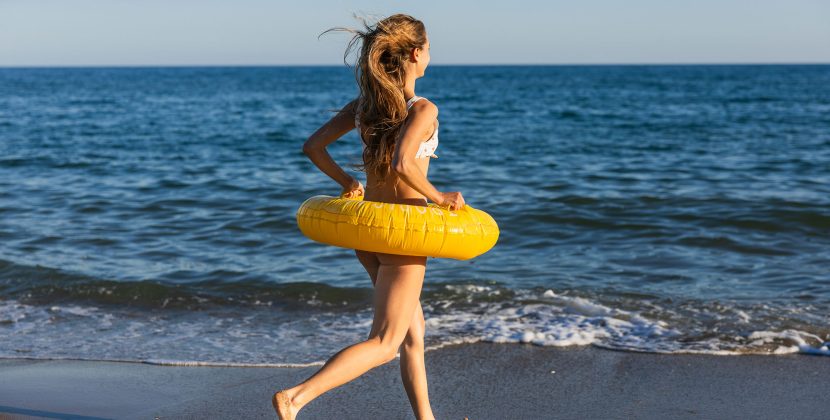
Slip Slop Slap Seek Slide 2026: The Ultimate Sun Protection Guide

Slip Slop Slap Seek Slide 2026: The Ultimate Sun Protection Guide

  • Sara
  • March 24, 2026
  • 3 min read
  • 91
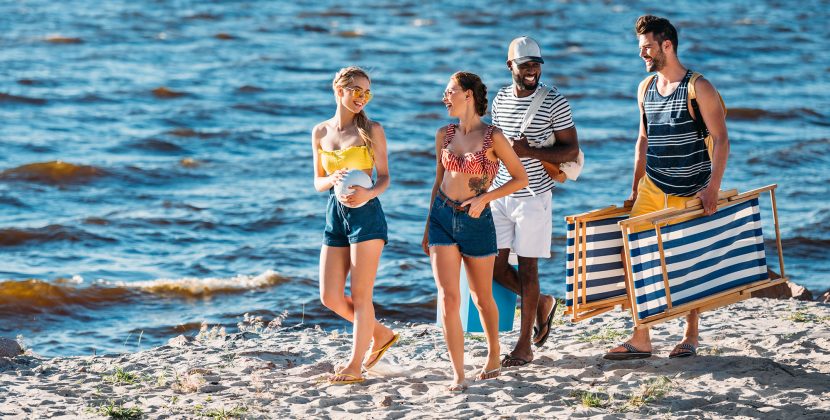
Sunburn in Australia 2026: Why the Sun is Stronger Than India & Gulf

Sunburn in Australia 2026: Why the Sun is Stronger Than India & Gulf

  • Maithili
  • March 24, 2026
  • 3 min read
  • 142
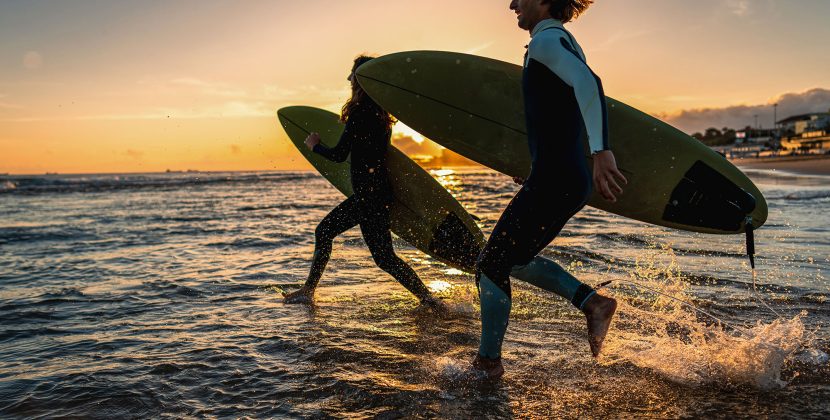
Australia Shark Safety 2026: Facts vs. Fiction for Students

Australia Shark Safety 2026: Facts vs. Fiction for Students

  • Aarav
  • March 24, 2026
  • 3 min read
  • 101
Bluebottle & Jellyfish Sting Treatment: Australia Safety Guide

Bluebottle & Jellyfish Sting Treatment: Australia Safety Guide

  • Sara
  • March 24, 2026
  • 3 min read
  • 91
Beach Safety Signs Australia 2026: Yellow Diamonds & Red Circles Explained

Beach Safety Signs Australia 2026: Yellow Diamonds & Red Circles Explained

  • Maithili
  • March 24, 2026
  • 3 min read
  • 128
Why Secret Beaches are Dangerous 2026: The "No Lifeguard" Risk

Why Secret Beaches are Dangerous 2026: The “No Lifeguard” Risk

  • Aarav
  • March 24, 2026
  • 3 min read
  • 99
How to Survive a Rip Current 2026: The Step-by-Step SLSA Guide

How to Survive a Rip Current 2026: The Step-by-Step SLSA Guide

  • Sara
  • March 24, 2026
  • 3 min read
  • 78
How to Spot a Rip Current: The 30-Second Test for Beach Safety

How to Spot a Rip Current: The 30-Second Test for Beach Safety

  • Maithili
  • March 24, 2026
  • 3 min read
  • 95
Australia Beach Safety Guide 2026: Why Red & Yellow Flags Save Lives

Australia Beach Safety Guide 2026: Why Red & Yellow Flags Save Lives

  • Aarav
  • March 24, 2026
  • 3 min read
  • 148
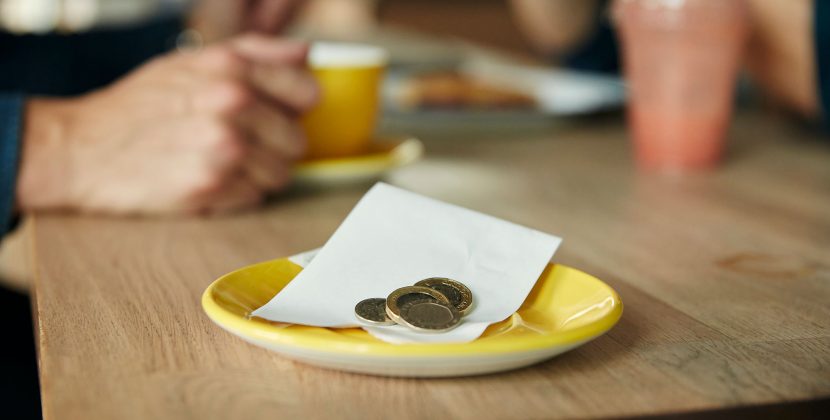
Australia Dining Etiquette 2026: Tipping, Splitting Bills & Mateship

Australia Dining Etiquette 2026: Tipping, Splitting Bills & Mateship

  • Sara
  • March 24, 2026
  • 3 min read
  • 283
  • Prev.
  • 1
  • …
  • 59
  • 60
  • 61
  • 62
  • 63
  • …
  • 78
  • Next

Popular Post

Bringing Your Spouse to Australia 2026: Dependent Visa & Work Rights

Bringing Your Spouse to Australia 2026: Dependent Visa & Work Rights (1214)

  • Sara
  • March 5, 2026
Regional Australia Postcode List 2026: The “Extra 5 Points” Guide

Regional Australia Postcode List 2026: The “Extra 5 Points” Guide (829)

  • Maithili
  • March 17, 2026
Top 10 High-Interest Savings Accounts Australia: A Student Guide

Top 10 High-Interest Savings Accounts Australia: A Student Guide (739)

  • Aarav
  • March 6, 2026
Telstra vs Optus vs Vodafone 2026: Australia’s Best Network Comparison

Telstra vs Optus vs Vodafone 2026: Australia’s Best Network Comparison (719)

  • Maithili
  • March 16, 2026
Australia Student Visa Refund Policy: Rejection Guide

Australia Student Visa Refund Policy: Rejection Guide (631)

  • Sara
  • March 9, 2026

Newsletter

Weather

Dhaka
overcast clouds
29℃
33º - 27º
humidity: 73%
wind: 3 km/h
  • 33℃
    Mon
  • 35℃
    Tue
  • 35℃
    Wed
  • 30℃
    Thu
  • 28℃
    Fri
  • 33℃
    Sat

UNSW Off-Campus Accommodation 2026: Suburb Guide & Rent Prices

  • isagai
  • 12 Sep 2026

How a Visitor Visa Impacts Your Residency for Citizenship (2026)

  • pasarai karvems
  • 12 Sep 2026

Best Student Mobile Plans Australia 2026: Top 10 Under $30

  • UG88
  • 11 Sep 2026

Contacting Your University International Office: List of Numbers (2026)

  • Elouise Schnaars
  • 9 Sep 2026

Contacting Your University International Office: List of Numbers (2026)

  • Francisco
  • 6 Sep 2026
Australia Student & Expat Resource Hub | NammAustralia

Nammaustralia is a practical guide for international students moving to Australia. We cover visas, jobs, accommodation, cost of living, and PR pathways with clear, research-based insights for Indian and GCC students.

Disclaimer: The information provided is for general informational purposes only. Please verify details with official sources. We are not liable for decisions made based on this content.

Start Your Journey

  • Pre-Departure Checklist
  • First 48 Hours Guide
  • Student Visa 500 Guide
  • Student Budget 2026
  • TFN Application Guide

Explore by Topic

  • Study in Australia
  • Work in Australia
  • PR & Immigration
  • Accommodation
  • Life in Australia

© 2026 Nammaustralia. All rights reserved.

  • Privacy Policy
  • Disclaimer
  • Terms of Use
✉

Living in or moving to Australia?

Join 2,400+ expats getting weekly guides on banking, accommodation, visas & student life in Australia

🔒  No spam. Unsubscribe anytime.